


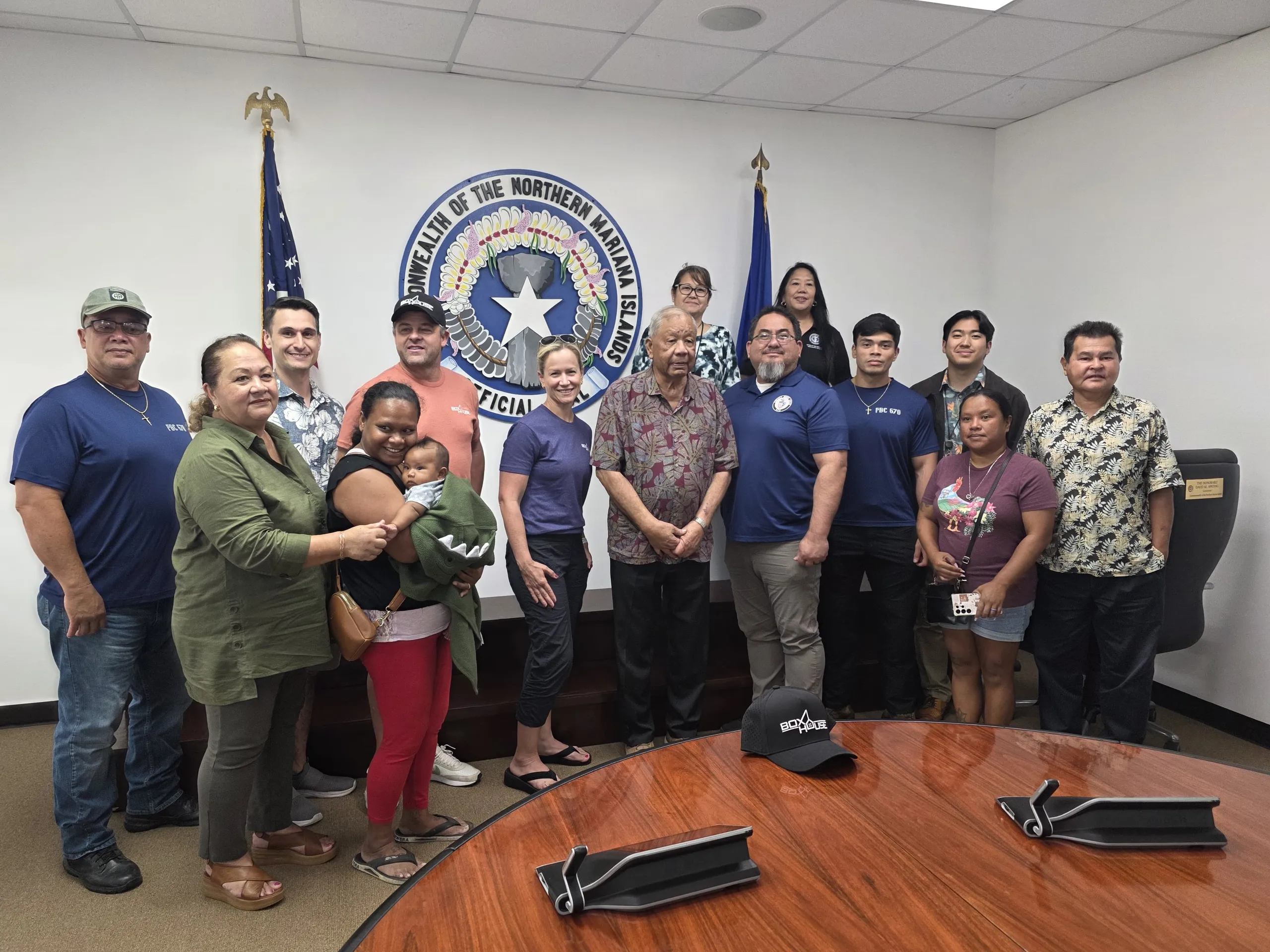


REPRESENTATIVE Joseph Leepan T. Guerrero last week prefiled House Bill 22-1, which aims to protect the people of the CNMI from “revenge porn.”
It is the first piece of legislation to be introduced in the 22nd House of Representatives.

Joseph Leepan T. Guerrero
According to the bill, revenge porn or nonconsensual pornography “is a dissemination of sexually explicit image of others without their permission, and often involves situations where the individual consented to the photos or videos but expected they would be kept private. In many cases, those pictures or videos were taken surreptitiously, and then, shared on social media platforms.”
The bill states, “Some adults in the CNMI have had their nude or semi-nude image of themselves sent to others or posted online without their permission. One concerning trend…was that of ‘revenge porn’ distributed by a current or former intimate partner.”
H.B. 22-1 or the CNMI Civil Remedies for Unauthorized Disclosure of Intimate Images Act of 2021 aims to provide a “uniform, clear, fair and constitutionally sound definition of this harmful conduct and remedies for the harm it causes.”
The bill states that a depicted individual who is identifiable and who suffers harm from another person’s intentional dissemination or threatened dissemination of a private sexual image without the depicted individual’s consent has a cause of action under specified circumstances.
H.B. 22-1 states, “A prevailing plaintiff may recover the greater of: 1) economic and non-economic damages proximately caused by a defendant’s disclosure or threatened disclosures, including damages for emotional distress whether or not accompanied by other damages; or 2) statutory damages not to exceed $10,000 against each defendant found liable, and in determining the amount, consideration must be given to the age of the parties at the time of the disclosure or threatened disclosures, the number of disclosures or threatened disclosures made by defendant, breadth of distribution of the images and other exacerbating or mitigating factors.”
Moreover, a plaintiff may recover an amount equal to any monetary gain made by the defendant from disclosure of the intimate image and punitive images as allowed under CNMI law.
But persons are not liable if they prove that disclosure was made in good faith in 1) law enforcement, 2) legal proceeding, 3) medical education or treatment, or 4) in the reporting or investigation of unlawful conduct, unsolicited and unwelcome conduct or a matter of public concern or public interest or reasonable intent to assist the depicted individual.
