




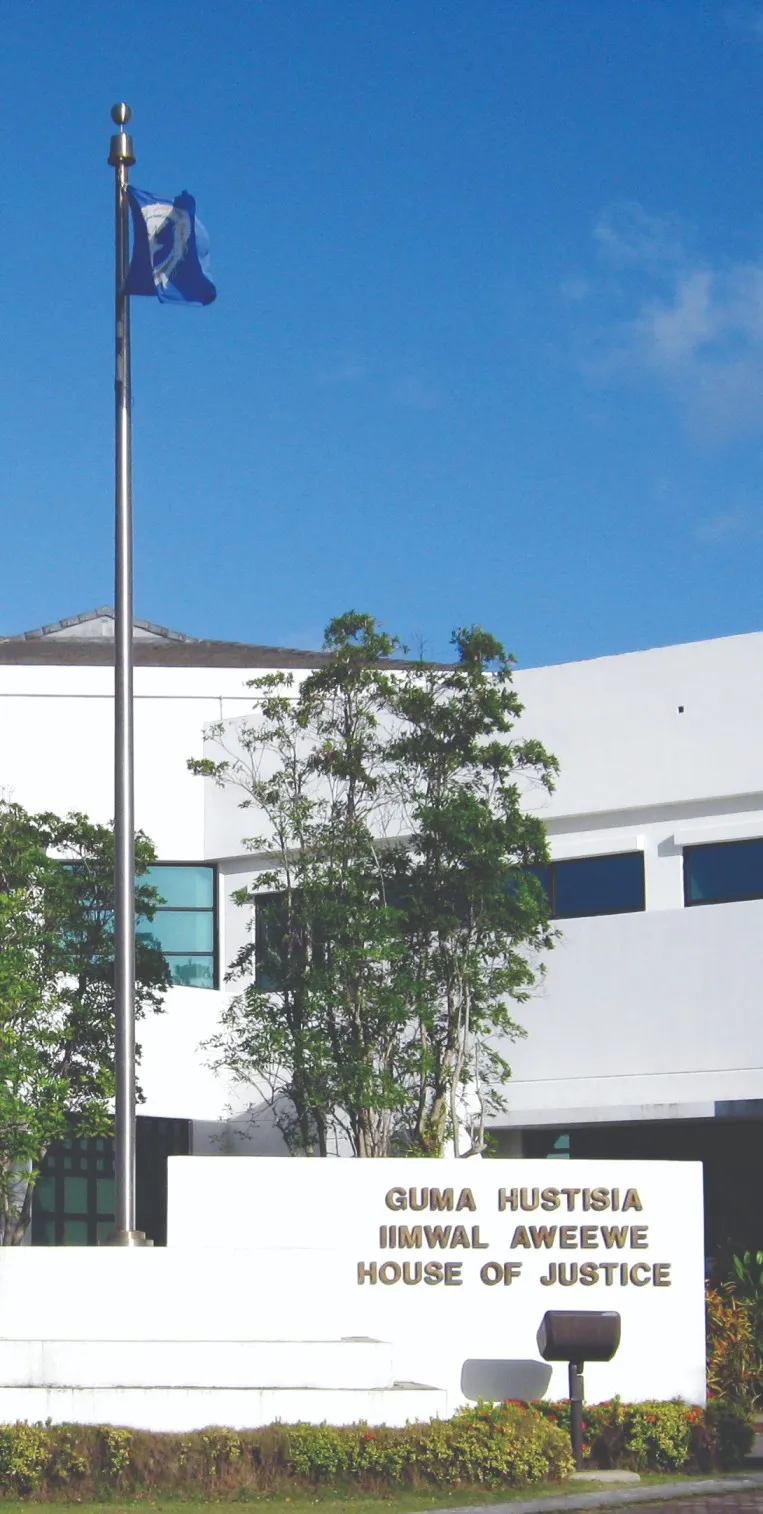


“The Judicial Council,” the communication began, “ever mindful of the judiciary’s duty to uphold the rule of law and protect the Constitution, wished to provide guidance to commonwealth leaders in these difficult times regarding the judiciary’s provision of services essential to the safety and welfare of the people of the commonwealth and their property.”
Determining which are essential services, they wrote, is complicated by the collaborative efforts of multiple government agencies including the judiciary which ensure the safety and welfare of the people and property of the commonwealth. secondly, they stated the definition of essential services will be impacted by the length of the shutdown.
The chief justice and presiding judge stated, referring to the attorney general’s and public defender’s offices, and the departments of Public Safety and Corrections, “The existence of (the) codependent relationship among these departments obscured a precise determination of essential services by the Judicial Council at this time because the extent of services provided by these other agencies during a shutdown has yet to be determined.”
Demapan and Naraja said the length of the shutdown will be determining as to “what is and is not essential within the judiciary…if the shutdown lasts for only one business day, then plausibly, none of the services of the courthouse would be essential. However, if the shutdown lasts for one week, many employees would have to report to work at one time or another during that week to ensure that constitutional protections are afforded to our community.”
With citizens and visitors to the commonwealth justly and faithfully depending on the judiciary to promote their health, safety, and welfare, protect against damage to and destruction of property, and uphold their constitutional rights, some conclusions were drawn.
“Criminal litigation and supervised probation must continue uninterrupted. The protections afforded by family court, particularly temporary restraining orders, must continue uninterrupted.”
Civil litigation matters were described as being more complex, however.
Temporary injunctions, for example, if unaddressed would cause imminent damage to property, while civil matters affecting the constitutional rights of individuals or requiring the protection of person or property may require immediate attention. It is impossible to predict the frequency and number of these cases.
Partly because of the types of complications and uncertainties discussed in their letter it was noted, as a point of reference, that the federal judiciary remained open and fully functioning during the shutdown of the federal government in 1995.
“Judicial services were deemed essential services during prior federal government shutdowns and must be designated as essential during any CNMI government shutdown,” Demapan and Naraja asserted.
In conclusion, they declared the need for discretion and flexibility was paramount: “The inability to foresee, predict, or determine the justice needs of the community makes any preemptive, specific determinations of essential services arbitrary. Thus, the judiciary requires flexibility in determining what, if any, of its services are non-essential based in part on the length of the shutdown and the functions deemed essential within other branches of the government, such as services provided by DPS and the AG’s office…. Allowing the judiciary discretion to determine what services must be provided during a government shutdown is the only way to guarantee that those services which protect the safety, health, welfare, and property of the people of the commonwealth will remain readily available.”
The complete text of the correspondence can be seen on the CNMI Judiciary’s website: http://www.justice.gov.mp/
