




Raby Syed, UWM president, said after thorough consultations with human rights advocate Wendy Doromal, federal and local officials, his group is now convinced that the umbrella permit “will not harm workers.”
Jun Concillado, Pilcowa president, said the umbrella permit is a “win-win solution” for the employers, guest workers and the CNMI government.
He said the permit will allow the local economy to preserve its workforce during the transition period following the implementation of the federalization law on Nov. 28.
Doromal, in her “Unheard No More” Web site, said: “Although the intent is certainly not beneficial to the guest workers, signing the permit should not further harm the workers and should actually allow them to remain in the CNMI until Nov. 27, 2011.”
Syed is asking Labor to extend also the umbrella permit to the immediate relatives of U.S. and FAS citizens.
Because of financial constraint, there are many IRs who can’t afford to pay for their entry permits.
UMW and Pilcowa are also asking the Fitial administration to allow guest workers on the overstayers list to avail of the umbrella permit.
Syed said these overstayers entered the CNMI legally but have lost their jobs because of the economic crisis.
They have children to feed and are striving to find work on island, he added.
With the U.S. Department of Homeland Security’s decision to allow Chinese and Russians to enter the CNMI without U.S. visa, Syed said he is confident that the island’s economy will improve and many will find work here.
He said their group is strongly asking Gov. Benigno R. Fitial to extend the temporary work authority to overstayer.
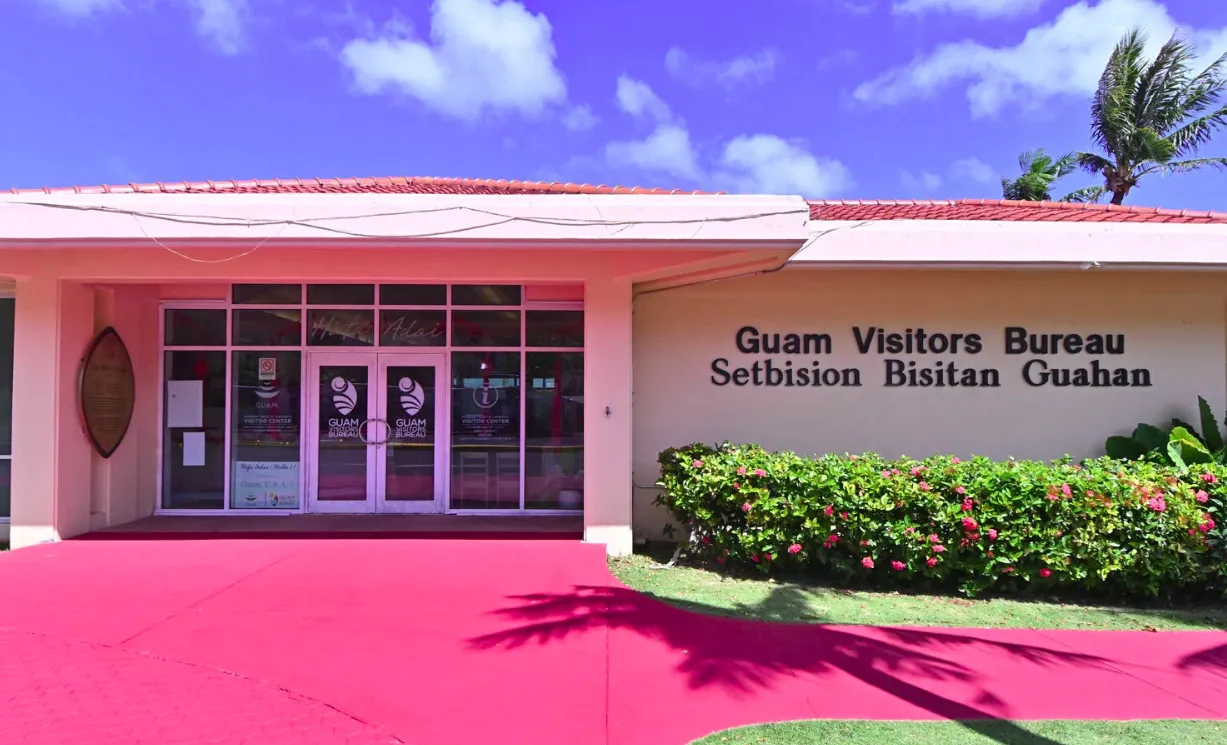
On Saturday, guest workers filled the Visitor Center of American Memorial Park on Saturday to join the discussions regarding the Department of Labor’s two-year umbrella permit.
The forum, which started at 9:30 a.m., was organized by the United Workers Movement, NMI, and the Pilipino Contract Workers Association.
Guest workers from Tinian and Rota participated through teleconference.
Rep. Tina Sablan opened the forum and presented the questions to the panelists: Attorney General Ed Buckingham, former Senate legal counsel Steve Woodruff, Joseph E. Horey of the O’Connor Berman Dotts & Banes law firm, CNMI Bar association president Maya Kara, local attorneys Mark Hanson and Jane Mack.
The panelists gave their perspectives on the permit, which is a matter of grave concern for the backbone of the local private sector: guest workers.
Asked about the permit’s benefit, Woodruff said it “depends on the individual circumstances of the worker. It is a permit that authorizes you to stay in the commonwealth. But it is conditional. That applies only as long as you follow the conditions under the umbrella permit. The conditions are that you follow the CNMI labor system.”
Kara noted that “the advantage of the umbrella permit is that you, the worker, will hold it and not the employer.”
According to Buckingham, “We formed a protocol working group. Part of that includes representation from the Department of Labor, the Division of Immigration, as well as private attorneys and other agencies within the government.”
Most of the guest speakers agree that the umbrella permit will allow foreign workers to stay in the CNMI up to two years.
Mack, however, noted that “we do not have a written policy. We do not have a written regulation. We do not have written law. Until we have that, until I see that, I don’t know.”
Many workers were still writing their questions on pieces of paper after the forum ended at 11:30 a.m.
Their questions were collected and e-mailed to the panelists.
