

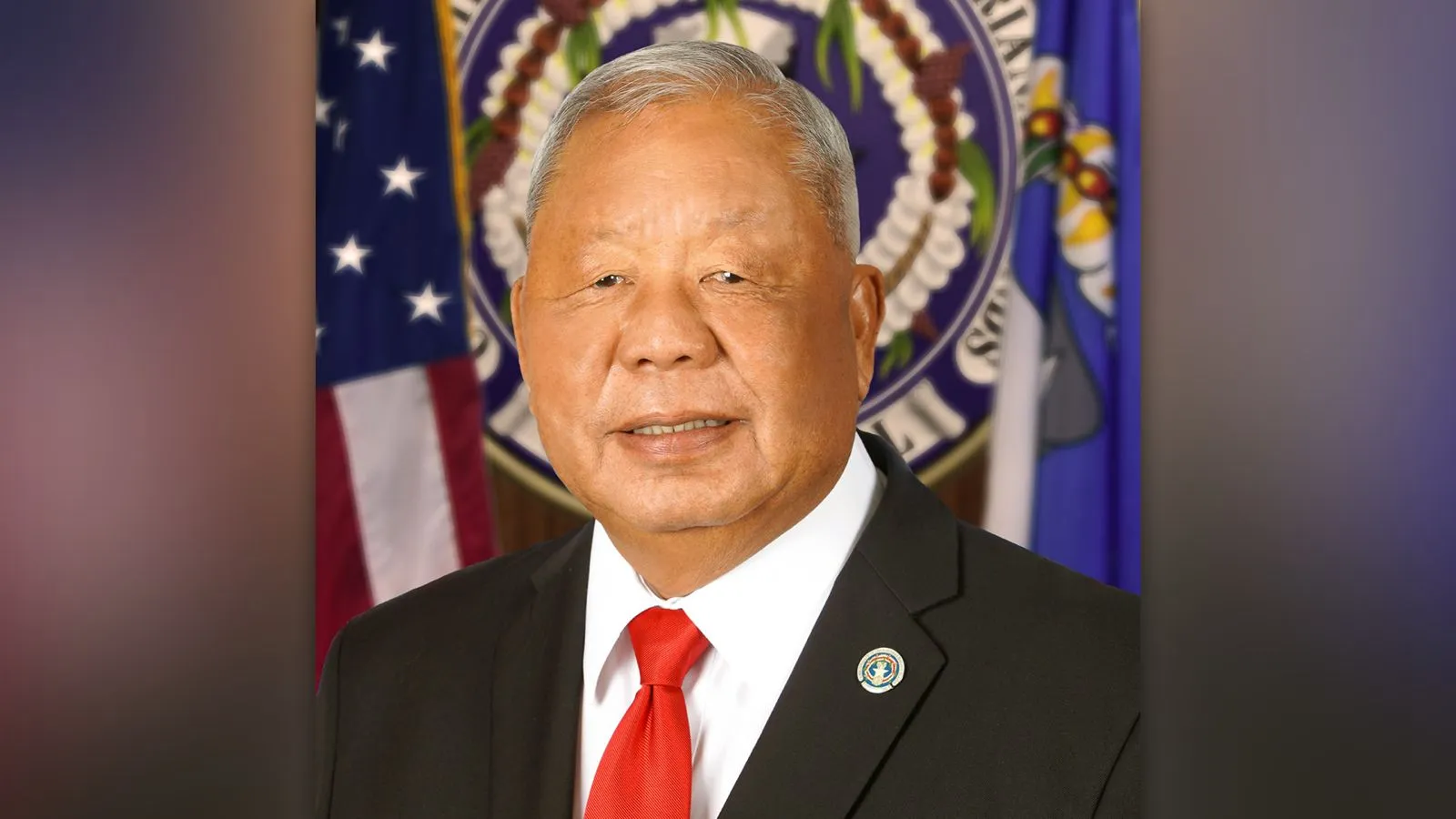



Acting Public Health Secretary Pete Untalan also told HEW Committee Chairman Ralph DLG Torres, R-Saipan, that the islands’ only public hospital has no laboratory director and does not have adequate supplies and equipment to perform different laboratory tests.
“CHC is in the process of finalizing a contract for a lab director. This provision is to be a locum tenems pathologist from Hawaii Pathology Laboratory, to cover lab director requirements,” said Untalan in his 65-page sworn statement submitted to the committee which concluded last week its three-day oversight hearing on the Department of Public Health.
Lab samples from the CNMI must be sent off-island for testing, thus, it takes weeks or months before doctors can diagnose and conclude what’s wrong with patients.
Of serious concern to CHC is its limited blood supply which may put a person’s life in harm’s way in case more blood is needed.
Untalan said CHC’s blood bank has only five to six units on its shelf instead of the normal hospital requirement of 15.
It wasn’t specified which blood types are available at CHC.
Untalan said their funding is not enough.
“If government funds are inadequate payments cannot be processed, resulting in credit hold from vendors. Very frequently, patient testing is discontinued temporarily because of lack of reagents and supplies. One of the critical areas affected by this is the blood supply,” he said.
“Because of the poor payment history from the CNMI government to American Red Cross, the lab is not able to stock a safe and adequate supply of blood in the blood bank. The blood bank has to regularly ration blood for transfusion use.… This is a serious problem for the lab,” he added.
CHC has generally good supplies at its lab but it can only perform limited tests like chemistry, blood bank, hematology and microbiology, said Untalan.
Other tests are sent to the states.
“A number of tests have to be sent to reference labs. There are no private labs on Saipan that can perform these tests. Specimens are referred to labs in Hawaii and the mainland U.S. These tests are: esoteric chemistry tests, complicated bacterial/viral culture tests, esoteric tests for monitoring dialysis patients,” said Untalan.
Except for the serology testing equipment, refrigerators, freezers and centrifuges, Untalan said the majority of the testing equipment at the hospital are still in good condition.
“The equipment in the chemistry, hematology, and microbiology areas is less than five years old and is operating well. The equipment in serology is more than 10 years old and is not functioning properly,” he said.
“Most of the refrigerators and freezers are more than 10 years old and will need to be replaced soon. The lab space is extremely limited and makes it difficult to accommodate all required equipment effectively and safely,” he added.
