

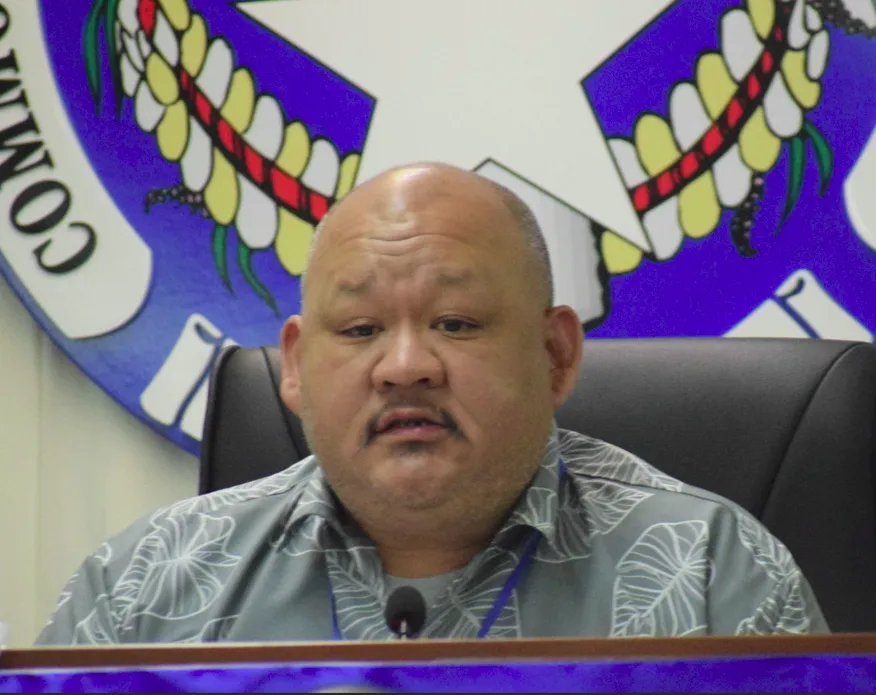


Emil Friberg Jr., Ph.D., GAO assistant director/senior economist for International Affairs and Trade, said their team also made a separate study in American Samoa in August.
Both insular areas are mandated to increase their hourly minimum wages by 50 cents a year until they reach the federal rate of $7.25 an hour by 2015.
“Congress, in last year’s stimulus bill, included a requirement for GAO to conduct a minimum wage study, which we should put to Congress between March 15 and April 10, 2010, about the impact of the minimum wage increase in American Samoa and the Commonwealth of the Northern Mariana Islands,” Friberg told the Variety in an interview.
The next round of the 50-cent mandatory annual minimum wage increase in the CNMI is due in July but Congress is suspending this for four months pending the findings of the GAO study.
Although the field study in the CNMI is done, Friberg said his team still accepts public comments which can be e-mailed at [email protected].
Northern Marianas and American Samoa officials, including their business sectors, have separately asked Congress to make the mandatory annual wage increase take effect every two years instead of every year.
Friberg’s team left Saipan last week.
They met with different groups of foreign workers from different industries, including former garment workers, the Filipino and the Chinese communities, the business leaders and small businesses, among other entities.
“We’ve actually met a lot of people in the last two weeks,” said Friberg. His team’s methodology includes conducting group meetings and handing out questionnaires.
The findings of their study on the minimum wage increase impact on the islands’ economy is crucial to the next U.S. congressional action.
“The current legislation requires the minimum wage to go up by 50 cents a year until it reaches the U.S. level and so our report does not require the wage to be increased next year. But Congress wanted the information, and obviously, Congress can change the law if it wanted to change the way the minimum wage is increasing in either American Samoa or the Northern Marianas,” said Friberg.
One tuna cannery in American Samoa closed last month but Friberg said its closure is not entirely due to the higher wages.
“There are a number of factors that contributed to its closure,” he said.
A number of minimum wage earners on Saipan interviewed by this reporter said the increase is “just enough.”
Benny Garcia, an all-around construction worker earning $4.55 an hour, said the prices of basic commodities have gone up because there are fewer people on the islands and gas prices have skyrocketed in recent years.
“We want the minimum wage to continue increasing. Food prices are so high,” he said.
His co-worker Sonny Yumul agreed. They said employers have removed non-monetary benefits to “off-set” the wage hikes.
