




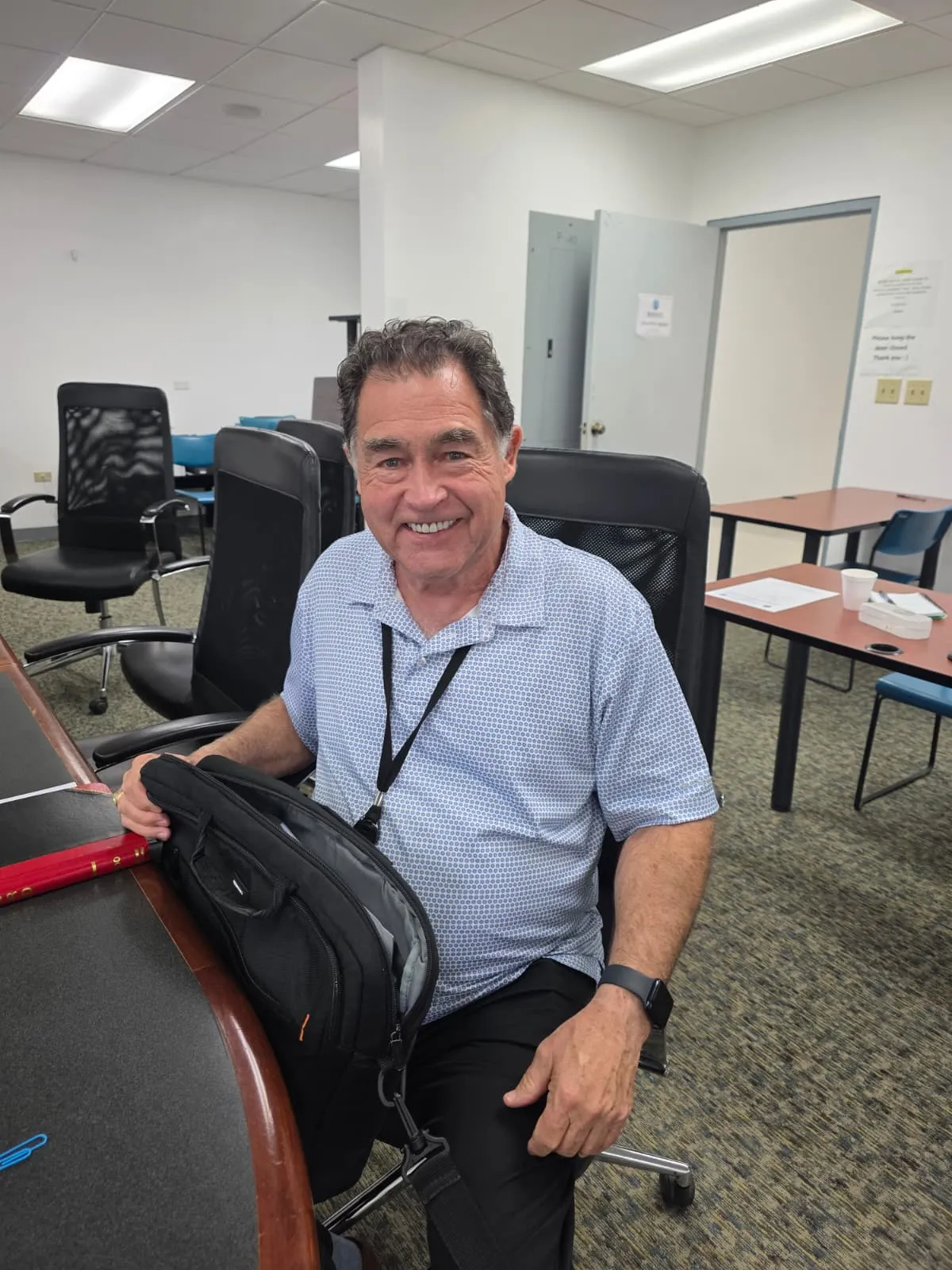
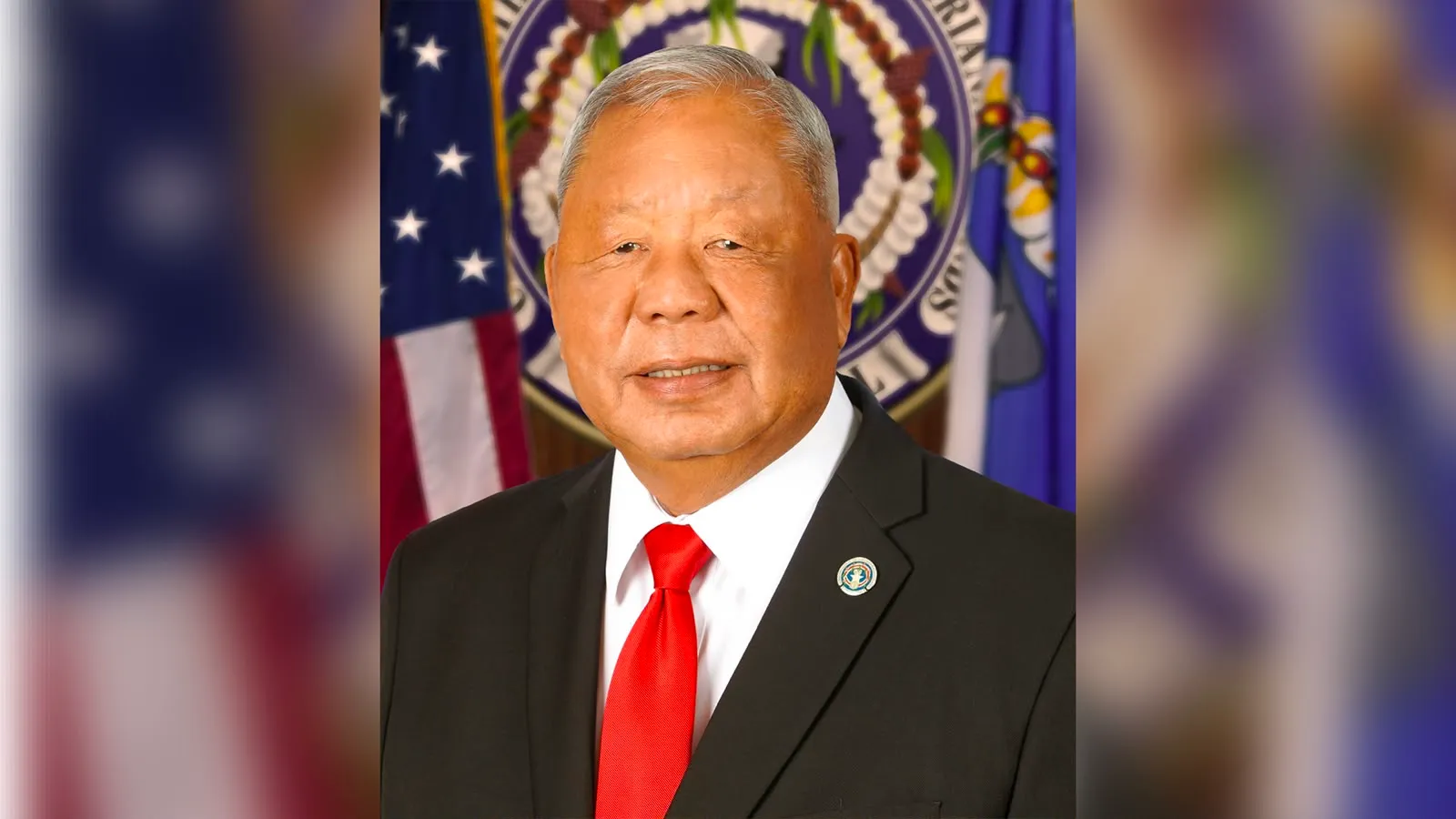


Only person — who opposed the proposal to legalize medical marijuana — showed up for the public hearing on Bill 423, the Compassionate Health Care Act of 2010, authored by Sen. Rory Respicio.
Andrew Andrus, executive director of the Employers Council, testified against the bill, voicing concerns over safety in the workplace if medical marijuana was made available.
Andrus also criticized the way the bill was introduced, leading him to be suspicious of the legislation’s intent. He noted that the measure was first introduced as Bill 420 and announced on the radio at 4:20 p.m.
Andrus said the significance of those numbers was lost on him until those familiar with the so-called 4:20 culture explained to him that those numbers “readily identified with the marijuana pot culture.”
“These antics seem frivolous and distract from the reported intent of the proposed legislation to promote the medicinal, scientific purposes and ‘compassion’ for our medically disadvantaged citizens,” Andrus said. “I’m also somewhat offended that our medically disadvantaged may be used as a route to the ultimate use of the drug for dangerous, recreational purposes.”
When sought for comment, Respicio said Andrus, “failed to note that Bill 423 contains strong language prohibiting cannabis to be consumed in any public place.
Bill 423 seeks to make medical marijuana available to patients who would benefit, and it would also create “Compassionate Care Centers” to make the medicine available.
“I fully explained at the time why I withdrew Bill 420 and introduced an updated version, which is now Bill 423,” Respicio said. “I never intended to allow cannabis to be used for recreational purposes and didn’t want the 420 element to be a distraction, so I withdrew Bill 420 to obtain a different bill number.”
Respicio had previously requested that the hearing be postponed because he said the committee on health did not give all stakeholders sufficient time to prepare for this public hearing.
“This was evidenced when only one person testified. The single piece of testimony given was in opposition to Bill 423. It provided a very inaccurate presentation of the contents of Bill 423,” Respicio said.
He did not attend the public hearing on his bill because, “I didn’t want the various government regulators, doctors and other stakeholders to feel that I condoned a public hearing for which they were not sufficiently notified.”
“I did watch the presentation made by the executive director of the Employers Council and I am sending him a letter to address his concerns regarding this bill,” Respicio added.
