

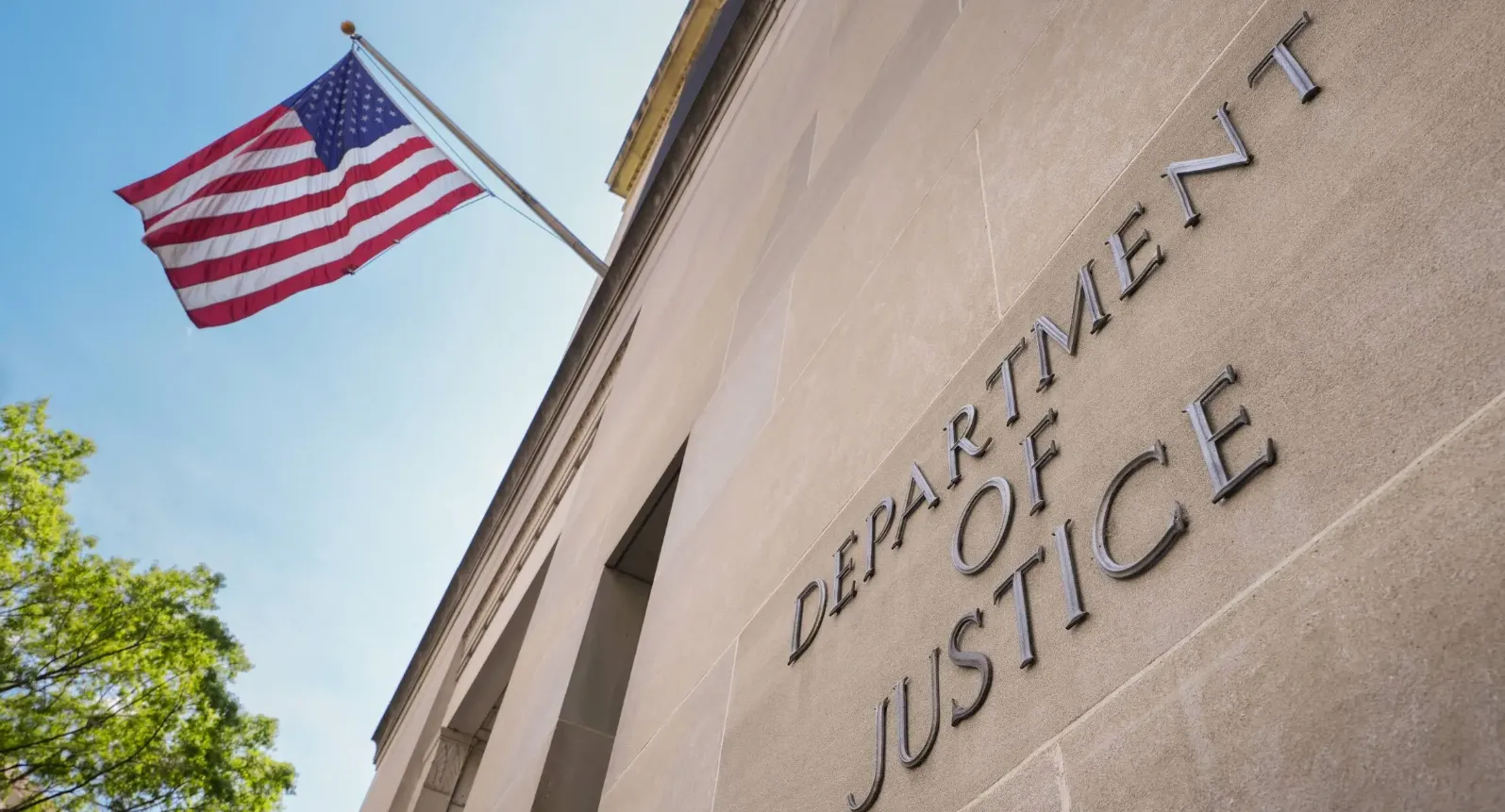


“We are seeking action from the court not to punish the state of Hawaii and Gov. Linda Lingle,” said William Swain, a spokesman of the Hawaii-based Marshall Islands group Pa Emman Kabjere, after the suit was filed in U.S. District Court. “But we are at the end of our ropes as far as medical treatment for our Marshallese patients are concerned. Since the announcement was made last August of major cuts in healthcare insurance specifically to the citizens of the Compact nations, 23 Marshallese have died, two are in critical condition, one is in hospice care and two have been denied coverage.”
On July 1, Hawaii’s Health Department implemented a new “Basic Health Hawaii” plan for 7,500 residents from Palau, the Federated States of Micronesia and the Marshall Islands that ends their eligibility for costly cancer and dialysis treatment for kidney failure. State officials said they needed to make the cuts because the state is facing a multi-million dollar deficit.
But the class action lawsuit charges that the state “severely limits or eliminates health care benefits for Compact of Free Association residents solely on the basis of their nationality and immigrant status” in violation of constitutional protections. It also said the state is violating the federal Americans with Disabilities Act that prohibits “isolating” people with severe disabilities, which the suit claims its three plaintiffs suffer from.
The suit was filed on behalf of Marshall Islanders Tony Korab, Tojio Clanton and Keben Enoch by Lawyers for Equal Justice, a public interest law agency.
The three north Pacific nations have close ties to the United States through a long-term treaty known as the Compact of Free Association that allows islanders to travel visa-free to the U.S. to live, work and study.
Hawaii’s health department announced last August that it was reducing health care coverage for islanders from the three Compact nations, but was prevented from implementing the plan when a judge, responding to a complaint from Marshall Islanders, issued a temporary restraining order blocking the cuts until the state went through a process that included public hearings.
That process ended with the July 1 launch of Basic Health Hawaii for 7,500 islanders from the Micronesia area.
The new health plan pays for 12 doctor visits annually, a variety of preventive health services, a up to four prescriptions per month but not dialysis or cancer treatments and all of the multiple medications they require.
The lawsuit said Korab, 58, needs regular dialysis because of kidney failure. He is unable to get this treatment or the medications he requires in the Marshall Islands, the suit said. Prior to July 1, Korab was benefiting from a state medical insurance program for low-income people known as QUEST Expanded Access that covered dialysis treatment, transportation to and from the hospital, medications and follow up doctor visits. “Effective July 1, the Department of Health Services disenrolled Korab from the program and forced him into Basic Health Hawaii,” the suit said. Under the new rules, he has lost benefits covering doctor visits, treatments and medications.
Korab was also enrolled in a Hawaii state organ and tissue transplant program because he needs a kidney transplant, the lawsuit said. On July 1, the state removed him from the organ recipient list.
In the late 1990s, Clanton, 66, moved to Hawaii and subsequently had heart bypass surgery and a successful kidney transplant, the lawsuit said.
But losing his benefits on July 1 resulted in his inability to pay for the multiple drugs he needs to take, including one that “kept his body from rejecting the kidney transplant,” the lawsuit said. “As a result, two weeks ago, he suffered from kidney failure and was hospitalized for 14 days. After he was discharged from the hospital, he was told that any further doctor visits would not be covered by Basic Health Hawaii.”
The lawsuit noted that the state received $11.2 million from the U.S. federal government for the current fiscal year in “Compact impact funding” to “assist the state to cope with the expense of providing public services, including health care, to citizens of Compact of Free Association nations.”
The state claims that this is only a fraction of the actual costs of providing health and education services annually to islanders from the Micronesia area.
“The (state is) providing inferior health care benefits to the class solely on the basis of alienage, immigrant status and the duration of their presence in the United States” — in violation of the 14th Amendment of the U.S. Constitution, the lawsuit said.
The U.S. District Court set a scheduling conference in the matter for Nov. 22 before Magistrate Judge Kevin S.C. Chang.
//
