




The Northern Marianas College Cooperative Research, Extension & Education Service (CREES), has been working in partnership with various government agencies and community based organizations to reduce the risks of diabetes and other non-communicable diseases.
CREES provides the opportunity for community members, particularly adults who have children in the home, to explore their program which are geared toward addressing the three major health risks which are diet and alcohol consumption, physical activity, and tobacco use.
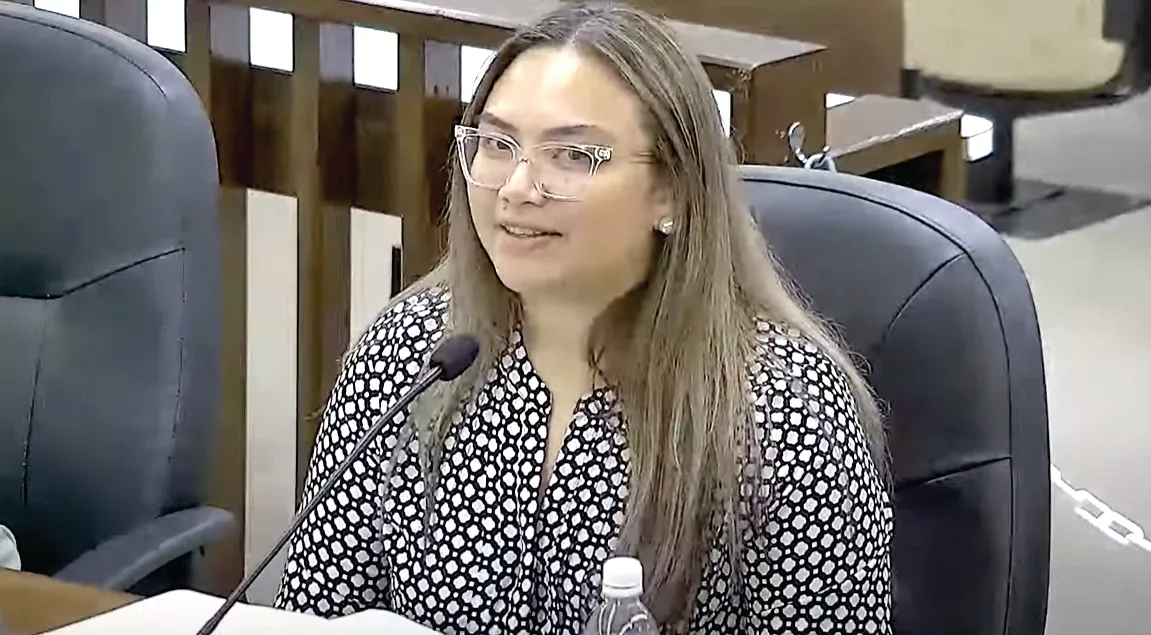
Patricia Coleman, Nutrition and Health Programs Team Leader, said that through the Expanded Food and Nutrition Education Program (EFNEP) families with young children and the youth are empowered with knowledge and skills to get more value for their money at grocery stores, prepare inexpensive nutritious meals, and handle food properly.
According to the NEERS software, 160 participants have successfully completed over a dozen lessons covering food preparation and safety, budgeting, creating goals, and increasing fruit and vegetable intake. This translates to families living a healthier lifestyle through behavior modification.
Coleman said that the programs they are spearheading under CREES are designed to help reduce the risk of diabetes and other non-communicable diseases by promoting healthier lifestyle choices.
She said that they don’t work directly in addressing the tobacco use issue but they work alongside the CGC-Tobacco Control Program and other concerned agencies who share the common goal of helping the community live healthier.
The public health department earlier estimated that about 30 percent or one-third of CNMI’s population had above the normal levels of sugar in their blood.
Over the past years, the Diabetes Prevention and Control Program and other agencies had been conducting activities such as “Family Health Awareness Day,” regular walkathons, free clinics and others to spread awareness for diabetes and promote a healthy lifestyle.
For more information about EFNEP or other CREES programs, please call Patricia Coleman, Rose Castro, or Jonathan Kiyoshi at 234-3690 ext. 1726 or 1703.
Tips for balancing food and physical activity
SOME physical activities are intense enough to help anyone meet the recommended daily exercise, such as walking at a casual pace or doing regular household chores. Here are some tips to balance food and physical activity from the fliers Northern Marianas College-Cooperative Research, Extension & Education Service has been distributing to the community:
1. Be sure to stay within your daily calorie needs.
2. Be physically active for at least 30 minutes most days of the week.
3. About 60 minutes a day may be needed to prevent weight gain.
4. For sustaining weight loss, at least 60-90 minutes a day may be required.
5. Children and teenagers should be physically active for 60 minutes every day, or most days.
More tips
Here are more tips from the United States Department of Agriculture’s Food Stamp Program:
6. Take part in a variety of physical activities. Find a friend or family member to do it with you. It can help you stay motivated.
7. Keep your children moving by getting them to dance to music, jump rope or help with the chores.
8. Stay active throughout the day. Try taking the stairs whenever they are available. Get off the bus or park your car farther from your destination.
9. Look for low cost or free fitness classes and team sports in your community. Adults should be active for at least 30 minutes a day.
