




By Zaldy Dandan – Variety Editor
The governor is right
IN his revised budget transmittal letter, the governor reminded lawmakers that they still had to approve additional funding for PSS and MVA.
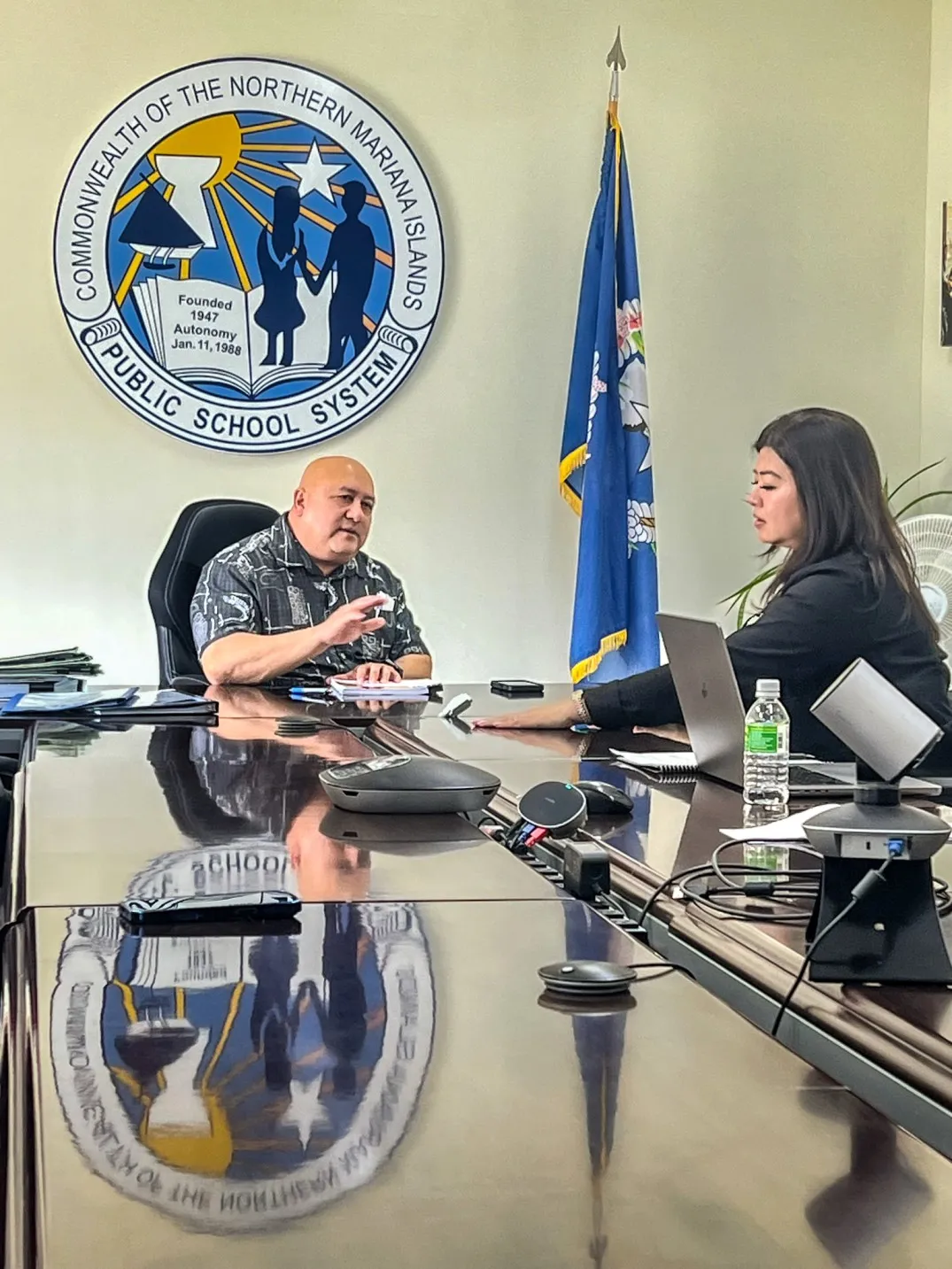
House Bill 24-70 would authorize PSS to spend lapsed funds previously appropriated to the system. The bill, however, remains pending in the Senate. Why? Are some senators still upset with PSS for allowing students and parents to publicly air their concerns over no-school Mondays? The governor, for his part, wants PSS “to prioritize bringing our students back into the classroom.”
What about the senators, then — many of whom never cease reminding us how “pro-education” they are?
The governor said he also shares “the sentiments of MVA and expresses deep disappointment and concern about the reduction in funds, leaving MVA with a meager budget of $3.5 million.”
Lawmakers should listen to the governor. As he put it, tourism “is not a discretionary program for the Commonwealth; it is a core economic engine that supports thousands of local jobs, small businesses, airlines, hotels, and government revenues. At a time when our visitor economy is still in recovery, these cuts directly weaken our ability to rebuild demand, support air service, and compete in regional markets. Funding to MVA fills seats, hotel rooms, and restaurants. Reducing these funds will slow our recovery, undermine progress, and make it harder to stabilize and grow our tourism economy. I urge consideration for increased funding in the next budget cycle to support tourism recovery.”
Tourists may not be CNMI voters, but without an improvement in visitor arrivals, there will be even less revenue for a government that still must meet its obligations to employees, retirees, vendors, and others.
Show not tell
The lone senator who voted no on the passage of the revised budget bill said it was “built on fantasies” and indicated that “we are unwilling to live within our means.”
Fair point.
Surely now we should expect measures that demonstrate how the government intends to confront its financial reality and make ends meet. The more detailed the proposals, the better. They should spell out the specific cuts to be imposed on specific branches, departments, divisions, bureaus, agencies, offices, programs, and activities. They must define clear spending priorities — such as boosting tourism and restoring a five-day school week — and follow through.
We know exactly why the government is in dire financial straits: it is spending more than it collects. We have yet to see, however, legislation that truthfully and forcefully addresses this problem.
The main problem
AS for voters, they generally agree that a financially strapped government should cut its costs — as long as they themselves are exempt.
And therein lies the main problem. You can elect anyone to office, but as long as voters believe that once elected, officials should continue providing what the government can no longer afford — at least until the economy improves significantly — voters will remain frustrated.
And yet voters, many of whom run households, know they cannot spend money they do not have. They know how to economize and prioritize. They understand that in times of financial hardship, new sources of revenue must be found. They also know that collecting that revenue is another matter altogether.
As in many democracies around the world, the elected officials the CNMI needs are often those least likely to win an election. (Argentina had to endure 77 years of tax-borrow-and-spend governance before casting its lot with a president who is economically literate.)
Happy holidays!
Zaldy Dandan is the recipient of the NMI Society of Professional Journalists’ Best in Editorial Writing Award and the NMI Humanities Award for Outstanding Contributions to Journalism. His four books are available on amazon.com/.
