





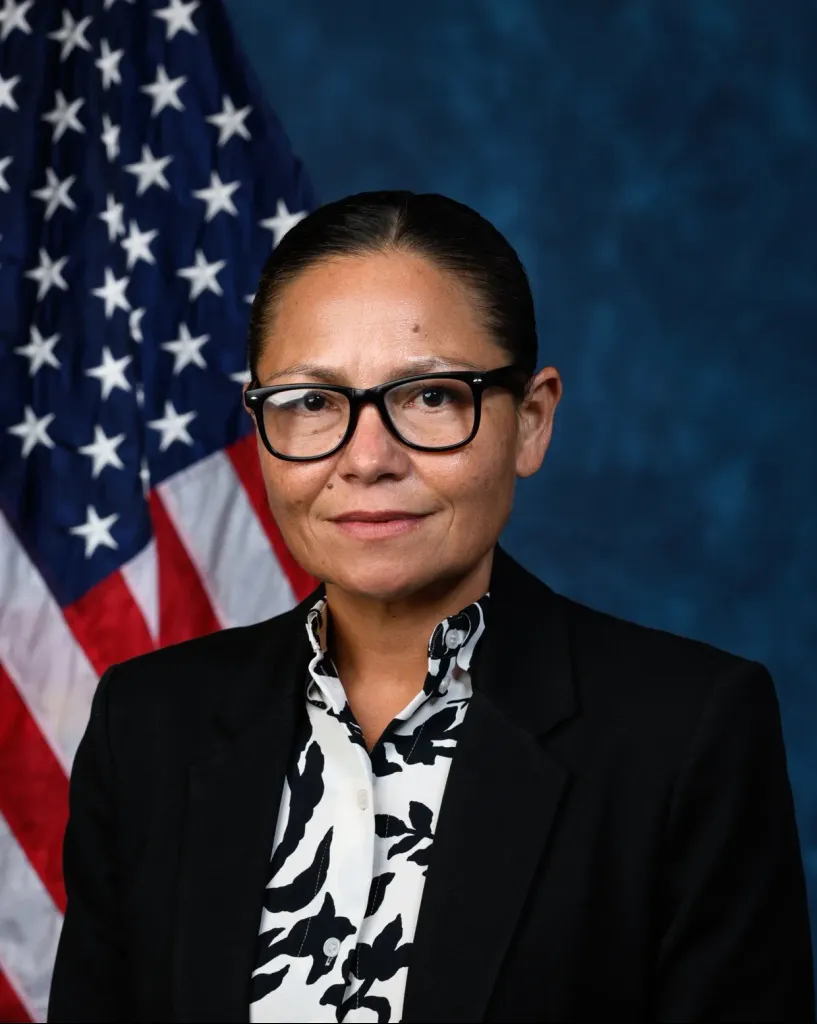
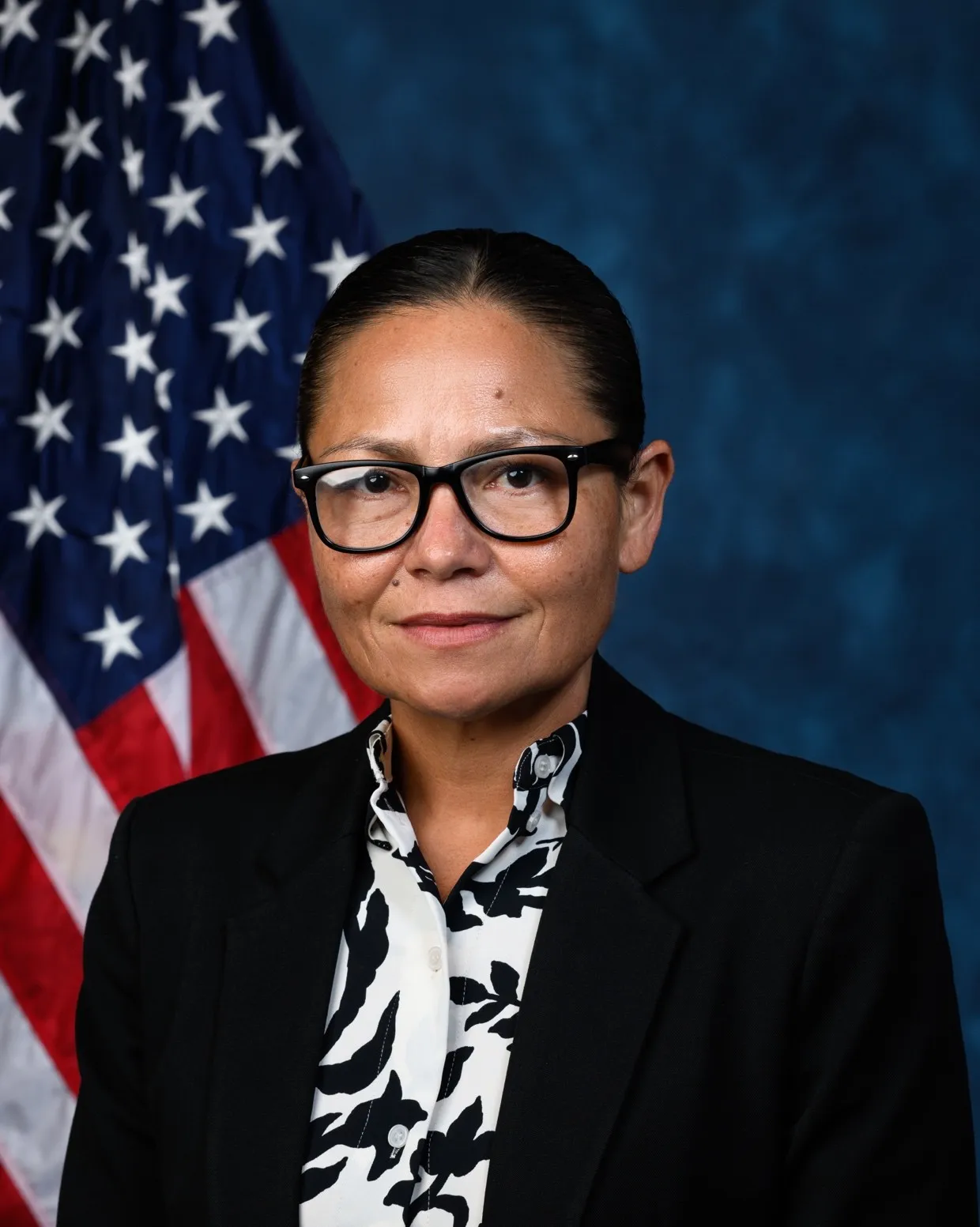
WASHINGTON, D.C. (Office of the CNMI Congressional Delegate) — U.S. Congresswoman Kimberlyn King-Hinds is urging a careful, legally grounded approach to any future federal action involving offshore mineral resources near the Commonwealth of the Northern Mariana Islands, warning that scientific uncertainty and gaps in existing law require heightened caution, not acceleration.
In formal comments submitted to the Bureau of Ocean Energy Management, King-Hinds raised concerns about how the inquiry has been structured and the implications it could have for the Marianas if future steps move forward without adequate review. She noted that the public comment period overlapped with major federal holidays, limiting the ability of local governments, researchers, and community members to engage with a complex issue involving scientific uncertainty and long-term consequences.
“When activity is being considered that could affect our surrounding waters, communities like ours need the time and space to understand what’s being proposed,” said Congresswoman King-Hinds. “That’s especially true at the earliest stages, when decisions can shape everything that follows.”
The comments also point to unresolved scientific questions surrounding deep-sea mineral activity, including the potential for impacts beyond extraction sites through sediment movement and broader ecosystem disruption. For island communities that rely on nearby waters for food security and economic activity, these risks carry particular weight.
King-Hinds added that scientific uncertainty does not lessen the federal government’s obligations under the National Environmental Policy Act or the Coastal Zone Management Act. Rather, she said, uncertainty heightens the need for careful sequencing, robust environmental review, and meaningful consultation before any decisions move beyond an informational stage.
She further noted that offshore mineral activity should be evaluated alongside existing federal uses in the area, including military training and testing that have already undergone extensive environmental review. Additional disturbance to the seabed or marine environment could interact with impacts previously assessed, reinforcing the need for a coordinated federal approach.
The congresswoman also raised concerns about the legal and economic framework governing offshore mineral leasing. Unlike offshore oil and gas development, mineral leasing lacks established provisions for revenue sharing, long-term planning, or local economic participation. That distinction, the comments caution, creates the risk that environmental and social impacts could be borne locally without a corresponding economic benefit to the Commonwealth.
“The goal is to make sure the Commonwealth is fully considered as this process unfolds,” she said. “That means being prudent about how federal authority is exercised, clear about what existing law does and does not provide, and deliberate before moving toward actions with long-term consequences for our islands.”
