









By Emmanuel T. Erediano
[email protected]
Variety News Staff
GOVERNOR David M. Apatang is urging the Legislature to pass House Bill 24-58, which proposes to exempt export services and the sale or exchange of securities from the business gross revenue tax.
In a letter to Speaker Edmund S. Villagomez and Senate President Karl King-Nabors, the governor described the Commonwealth as being in a time of extreme financial crisis.
“While we have talented and dedicated staff and community members working hard to revitalize our tourism industry, it is crucial that we simultaneously take immediate and effective measures to attract new industries and businesses to our Commonwealth,” Apatang said.
He noted several bills awaiting action in the House and Senate that represent foundational steps toward economic diversification. His administration, with support from the Governor’s Council of Economic Advisers, “urges you to take whatever steps possible to bring these bills swiftly to my desk for signing and enactment.”
Authored by Rep. Angelo Camacho, H.B. 24-58, according to the governor, removes unnecessary impediments in the CNMI government’s implementation of the BGR tax, particularly for financial companies trading assets such as securities. With the CNMI’s location in Asia time zones and the digital nature of today’s financial industry, Apatang said the Commonwealth could immediately become an attractive destination for U.S. trading companies once the bill is enacted.
H.B. 24-58 was on the agenda of the House Ways and Means Committee meeting at 1 p.m. Tuesday. Commerce Secretary Remy Mafnas testified in support of the measure, saying it reflects an effort to modernize the CNMI’s tax model in response to services and financial activities increasingly conducted outside traditional geographic boundaries.
“From a policy standpoint, this proposal may improve the CNMI’s ability to attract certain services and financial activities that are currently discouraged by the application of gross revenue taxation, regardless of profitability,” Mafnas said. “Businesses that operate on narrow margins or in early growth stages often view this tax structure as a barrier.”
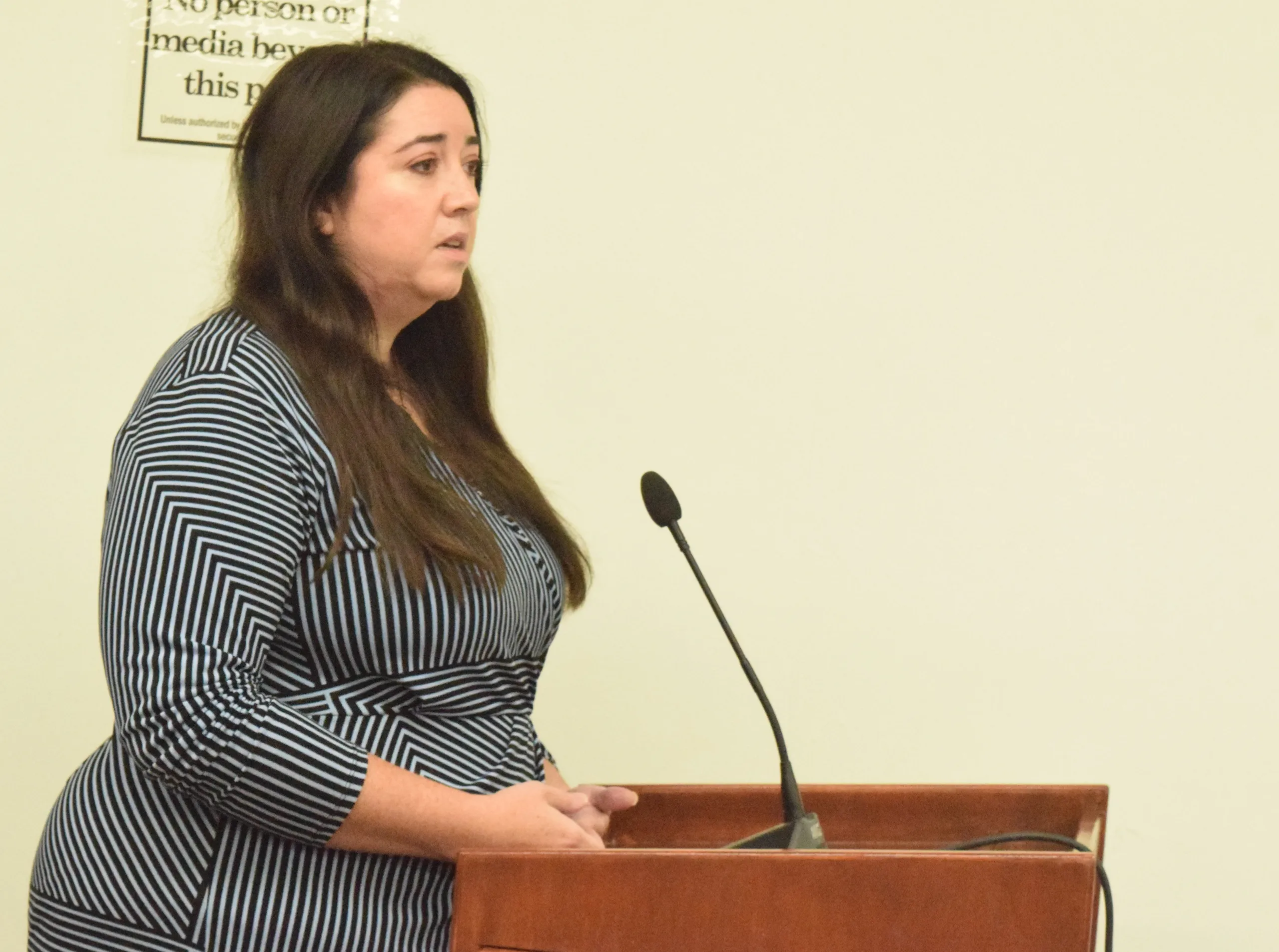
Economic Recovery Corps fellow Carina Boston Pinales also praised H.B. 24-58, saying it provides the CNMI a vehicle to modernize its tax system. She emphasized the importance of learning from other U.S. territories and stateside regions that have implemented similar measures.
“This proposal encourages residents to return and learn how to apply these opportunities for themselves and for future generations,” Pinales said.
Blaine Graboyes Goldman, co-founder of Casa Marianas, a co-working space for digital nomads, expressed support for the bill as well. He said the measure aligns with broader efforts to diversify the CNMI economy, generate revenue, and create jobs.
“It may seem counterintuitive to promote revenue and tax development while supporting exemptions for certain sales of securities,” Goldman said. “Currently, businesses and individuals incur BGR even when selling securities at a loss. Hence, we have no financial services companies here.”
Goldman said H.B. 24-58 could provide immediate capital investment in the CNMI, including by local residents, while fostering long-term economic growth.
“On day one, such exemptions and rebates promote direct investment in small businesses and startups,” he said. “We need this now. Investors can sell securities and other assets to reinvest in new opportunities. The proposed measure will free up capital for businesses expanding or opening today, which is more important than ever.”
He added that the bill creates a positive cycle for the local economy.
“Both business owners and potential investors benefit when profits are reinvested, creating a flywheel effect,” Goldman said. “This capital investment immediately increases business activity and job creation. Fresh money is available for new, even risky ventures.”
The proposed exemptions, he said, will also help entrepreneurs and small business owners who rely on the sale of securities for funding.
“You can invest more directly in your own growth. H.B. 24-58 opens the Commonwealth to new financial services companies to operate here and pay taxes locally,” Goldman said. “The ability to access untapped securities for reinvestment without a tax penalty provides both incentives and resources for economic development, which is an extremely powerful combination. Money invested and spent in the community circulates, creating a beneficial halo effect for all stakeholders. Everyone in the CNMI benefits from the passage of H.B. 24-58.”
Emmanuel “Arnold” Erediano has a bachelor of science degree in Journalism. He started his career as police beat reporter. Loves to cook. Eats death threats for breakfast.
