








(Press Release) — American Samoans are labeled as U.S. nationals, but not U.S. citizens, by the federal government. This has caused significant confusion at the federal, state, and local level.
In Alaska, it could mean up to 5-10 years in jail for Tupe Smith, an American Samoan woman being prosecuted for “voter misconduct” after she was encouraged by local officials to run for her local school board and vote in local elections. She was even advised by officials to check she was a “U.S. citizen” on voter registration forms, since there was no box for U.S. nationals.
The Alaska Court of Appeals heard argument on whether Alaska’s voter misconduct law requires an “intent to mislead or deceive.”
“We are pleased the Alaska Court of Appeals is considering this important question — someone should not be facing 5-10 years in jail for checking the wrong box if they had no intent to mislead or deceive a public official,” said Neil Weare, co-director of Right to Democracy, a nonprofit organization that represents Smith and works to defend the rights of people from U.S. territories.
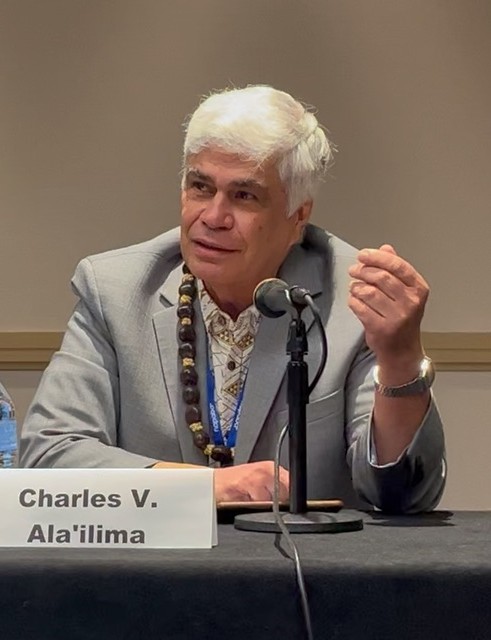
“State and local officials do not understand how someone can be a U.S. national but not a U.S. citizen, and many state forms do not account for American Samoan’s status as ‘non-citizen’ nationals. So without any intent to mislead or deceive, many have ended up registered to vote in Alaska,” said American Samoan Attorney Charles Ala’ilima, who also represents Smith. “Today the Alaska Court of Appeals questioned the state how someone could be charged with a serious felony without any intent to do something wrong.”
Tupe Smith is one of 11 American Samoans in the small town of Whittier, Alaska, who Alaska is targeting for criminal prosecution based on their legal status as “non-citizen” U.S. nationals. American Samoan Governor Pulaali’i Nikoloa Pula and U.S Congresswoman Uifa’atali Aumua Amata Radewagen of American Samoa have called on Alaska to pursue administrative solutions as other states, like Oregon have. Governor Pula shared he faced a similar issue when he applied for a federal security clearance, which was eventually granted, notwithstanding the fact he indicated he was a “U.S. citizen” on the federal forms.
Despite these calls to dismiss the charges, Alaska continues to argue Smith should face jail time, whether or not she had any intent to mislead or deceive when she filled out her voter registration forms.
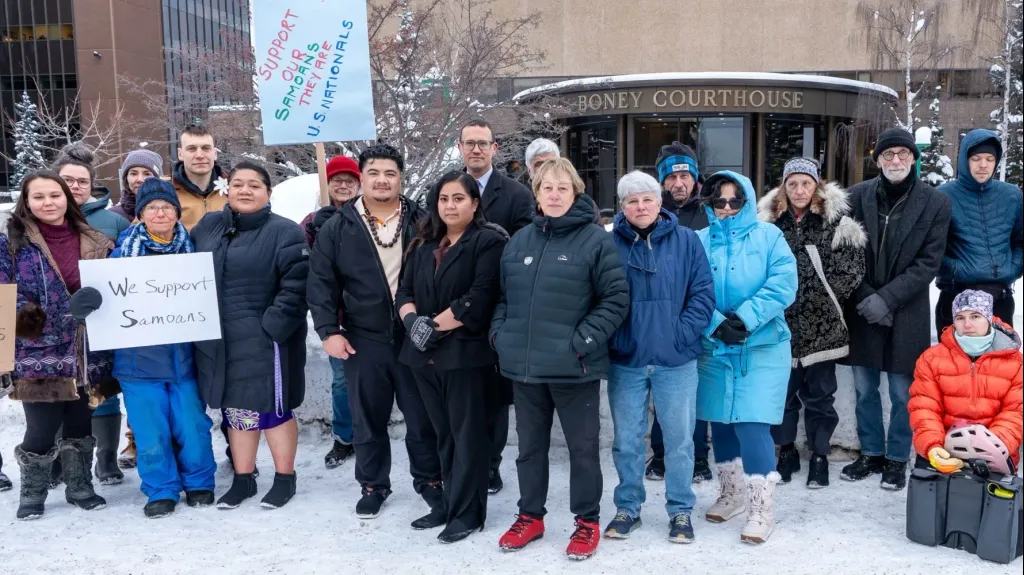
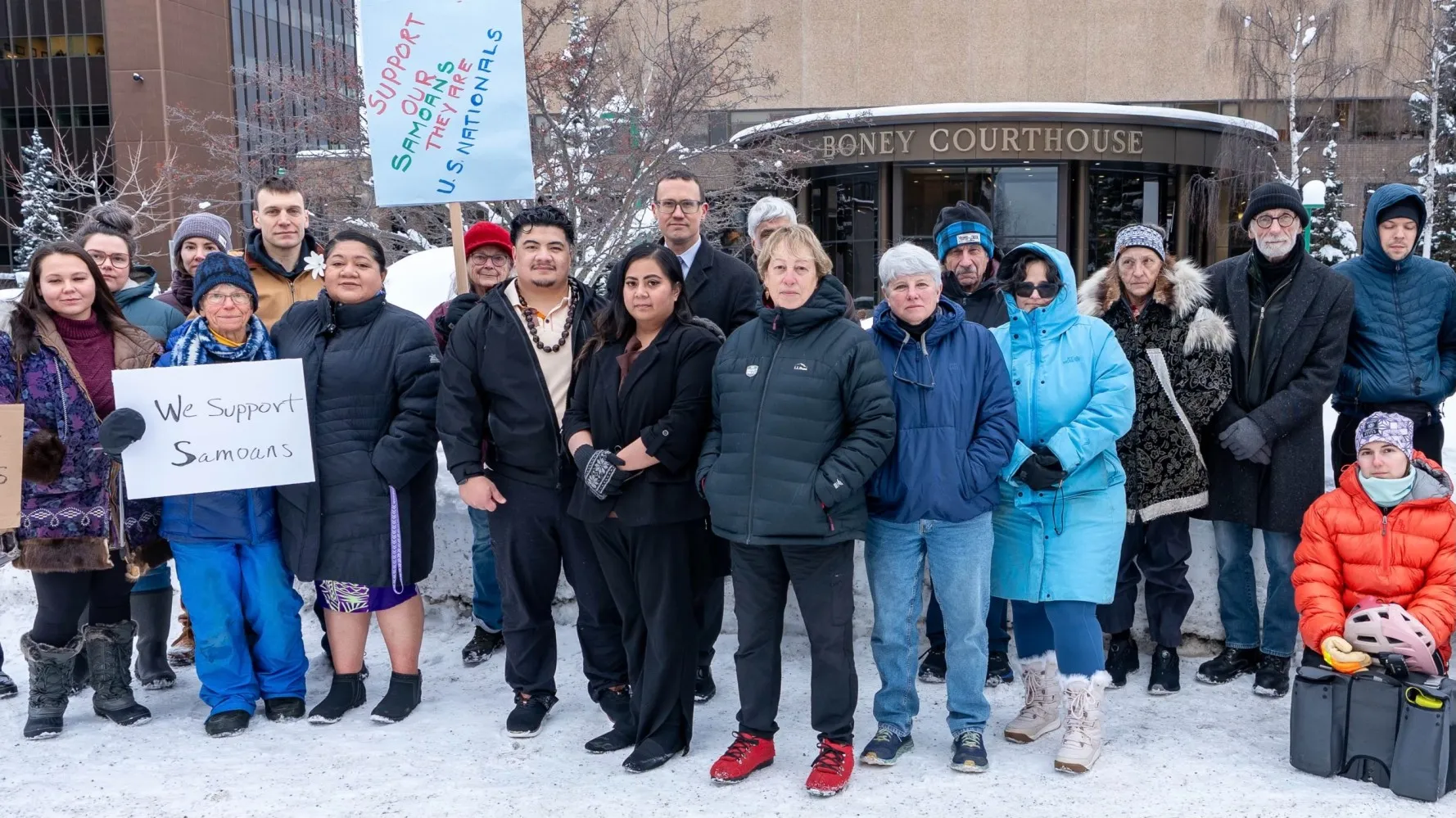
“Alaska should be working to resolve these issues by educating public officials, not by criminally targeting hard-working, tax-paying members of our Pacific Islander community,” said Tafi Toleafoa, Executive Director of the Pacific Community of Alaska, which hosted a community solidarity gathering in advance of the court hearing. “We were pleased to hear several judges on the Alaska Court of Appeals express skepticism that someone might be sent to jail for up to 5 years even if they didn’t know they were doing anything wrong.”
Whitney Brown, a partner at Stoel Rives, argued on behalf of Tupe Smith before the Alaska Court of Appeals. The State of Alaska was represented by Kayla Doyle, assistant attorney general in the Office of Criminal Appeals.
Recently, High Country News published an in-depth look at the human toll this prosecution has taken on Tupe Smith’s family and the broader American Samoan community in Alaska.
More information on her case is available at https://www.righttodemocracy.us/alaska_v_smith
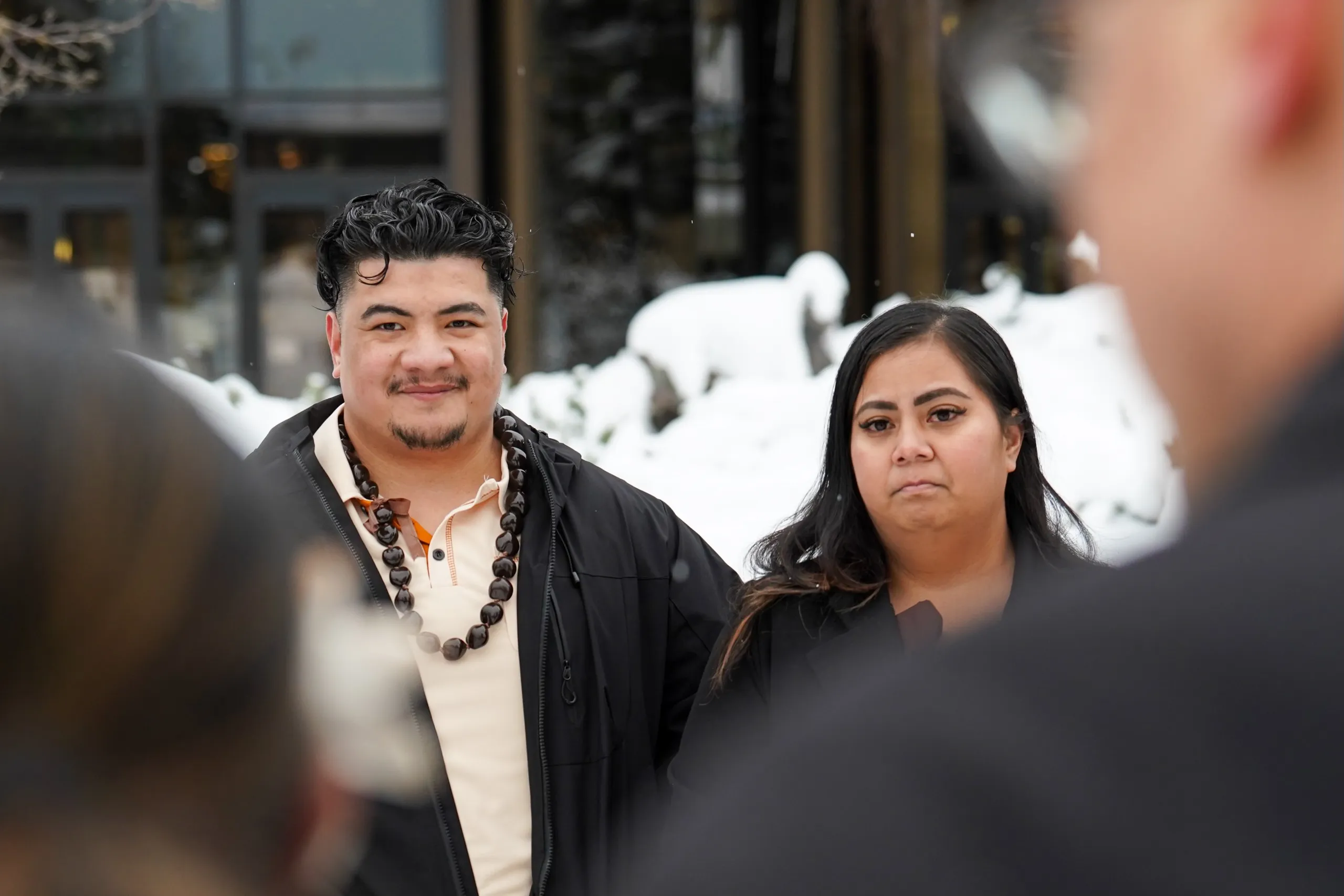
Right to Democracy held a virtual press conference following the argument, joined by Tupe Smith, her husband Michael Pese, who has also been charged by the state, and attorneys Ala’ilima, Weare, and Brown.
