





By Del Benson
For Variety
EVERYONE has a different idea of what legacy means. Today, legacy is often thought of as a name on a monument or statue — something to remember a person by. Yet after a few generations pass, that person is often forgotten, and the monument becomes simply a name carved in stone. Descendants may know that the person was a great-great-grandfather, but little more.
But what is the true meaning of legacy when it is passed down through family stories? What kind of legacy helps families grow and become better? A title alone — being known as a great scholar or an important figure — may not matter nearly as much as the influence someone has on family culture and values. A true legacy is the example that teaches future generations how to live.
We often talk about the legacies of presidents and world leaders, judging them as good or bad through the lens of history. But legacy is not just something for famous people. It is something deeply personal. What legacy do we pass to our children and grandchildren?
Ideally, it is not a legacy of dishonesty or selfishness. Instead, we hope it is a legacy of honor — how we conducted business, how we treated people, and how we lived our lives. The values we demonstrate become the culture our children adopt. A legacy should build others up, encourage growth, and inspire kindness.
I often reflect on the legacy I learned from my father. Through my photography, I feel I have continued something he began. Over the years I’ve encountered many people who knew him. Some say, “Your father took my wedding pictures fifty years ago.” Others tell me he was their photography teacher. Those memories live on in photographs hanging on their walls.
Once, a retired judge contacted me for photography work, and we discovered I had photographed his family thirty years earlier. Moments like this remind me how powerful photographs are in preserving memory.
When my father passed away, one of his former students told me through tears that my father had helped change his life. That meant a great deal to me. It reminded me that the most important legacy is often the influence we have on people we may never realize we affected.
Not all legacies are serious. Some stories about my father are humorous. He was a very big, strong man, and over the years I’ve heard hilarious tales of his supposed feats of strength — stories probably exaggerated but entertaining nonetheless. Those stories have become part of our family history.
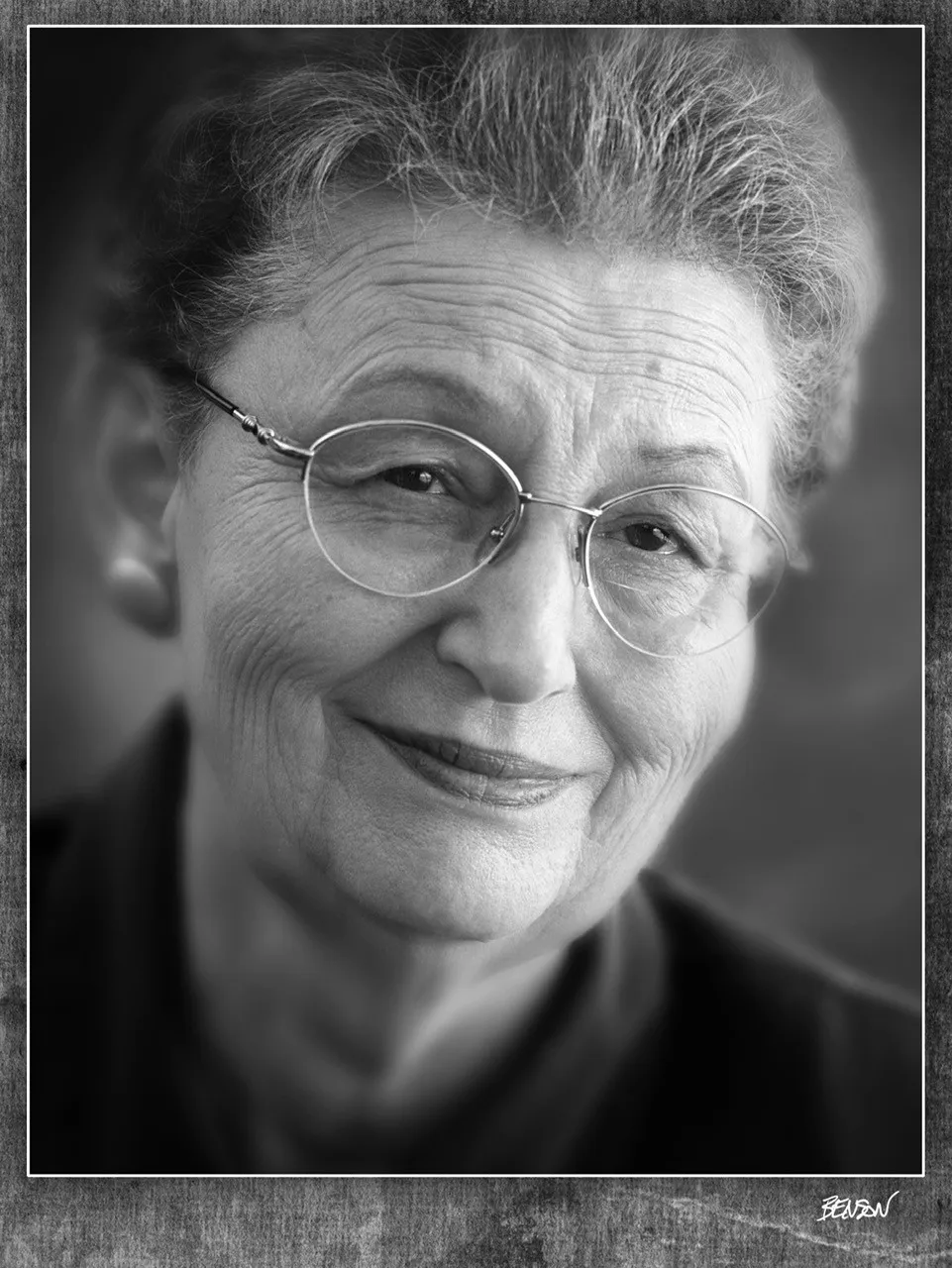
I also have portraits of both my father and mother that carry their own stories. The photograph of my mother was taken at my father’s funeral. To me, one eye appears sad while the other seems peaceful. She originally didn’t want that picture taken, saying she looked old. I insisted anyway.
Years later she called and said, “Del, I’d like copies of that photograph.” When I asked why, she replied, “I looked better then than I do now.”
Moments like that remind me how important it is to capture photographs when we can. Sometimes people resist having their portrait taken because they feel older or unwell. But time moves quickly, and the opportunity may never come again. Photographs preserve moments that might otherwise disappear.
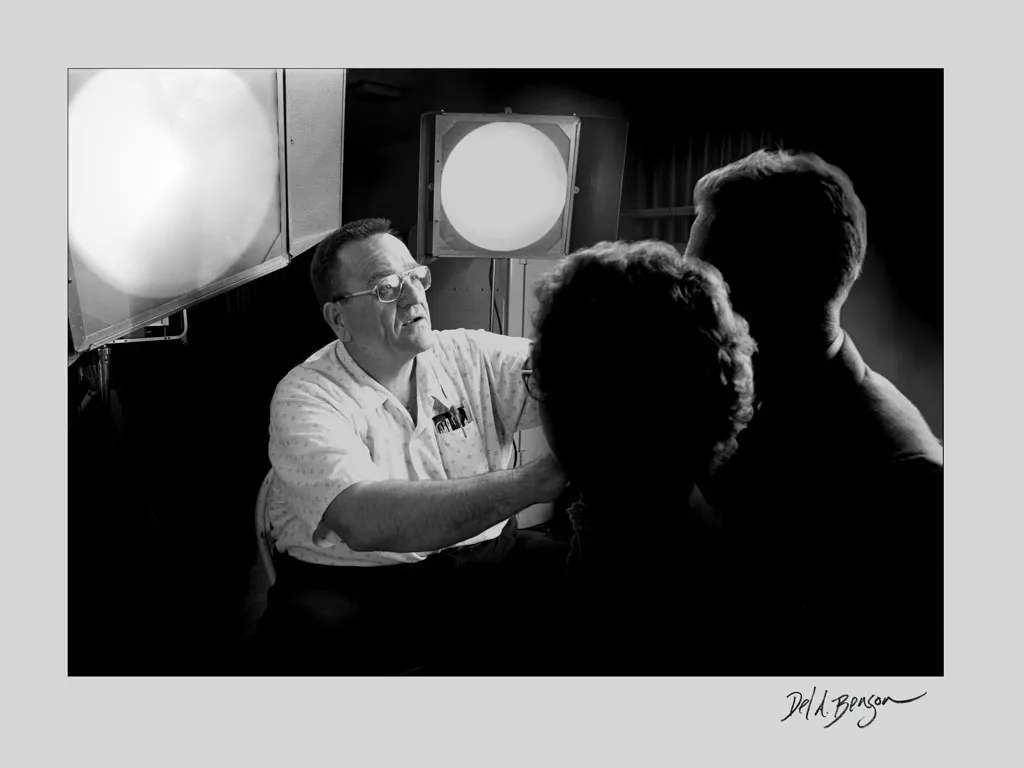
The portrait I took of my father in 1980 is especially meaningful. I photographed him while studying photography at the university. My father had a small studio in the basement of our home, filled with equipment from the 1950s. The lights contained glass radio tubes and heavy metal parts from the era before modern electronics.
That portrait represents where my photographic journey began. It also shows future generations that their grandfather was a photographer who served his community.
When we think about legacy, we often think of famous figures — scientists like Einstein, inventors like Edison, or modern innovators like Elon Musk, Bill Gates, and Steve Jobs. Their achievements have affected millions.
But legacy does not have to be global to be meaningful.
On a personal level, legacy is about influence and example. It might be a business that provides opportunities for others. It might be work that improves a community. It might simply be kindness and integrity in everyday life.
Our islands have a long history shaped by different nations and cultures. Yet the question remains: what do we want our legacy to be?
Do we want to be remembered for honesty, kindness, and hospitality? Do we want visitors to leave saying, “What a wonderful place, and what wonderful people”?
Legacy is created through daily actions — how we treat others, how we serve our community, and how we help those around us succeed.
When I see photographs I took thirty or forty years ago still hanging on walls or appearing on social media, I’m reminded that these images are small pieces of memory that remain after we are gone. They are a quiet reminder that we were here.
In the end, the most meaningful legacy is not fame or recognition. It is the positive memories we leave in the lives of others. It is the example we set for our children and grandchildren.
And perhaps the greatest legacy of all is raising children and grandchildren who grow into honorable, compassionate people.
