




By Giff Johnson
For Variety
MAJURO — The new digital currency established with the backing of the Marshall Islands government will debut later this month to assist distribution of the country’s quarterly universal basic income program. But due to restrictions placed on the United States funding underwriting this year’s $26 million payment to all citizens of the Marshall Islands, it will not be a one-step distribution to the digital currency, a “stablecoin” known as USDM1.
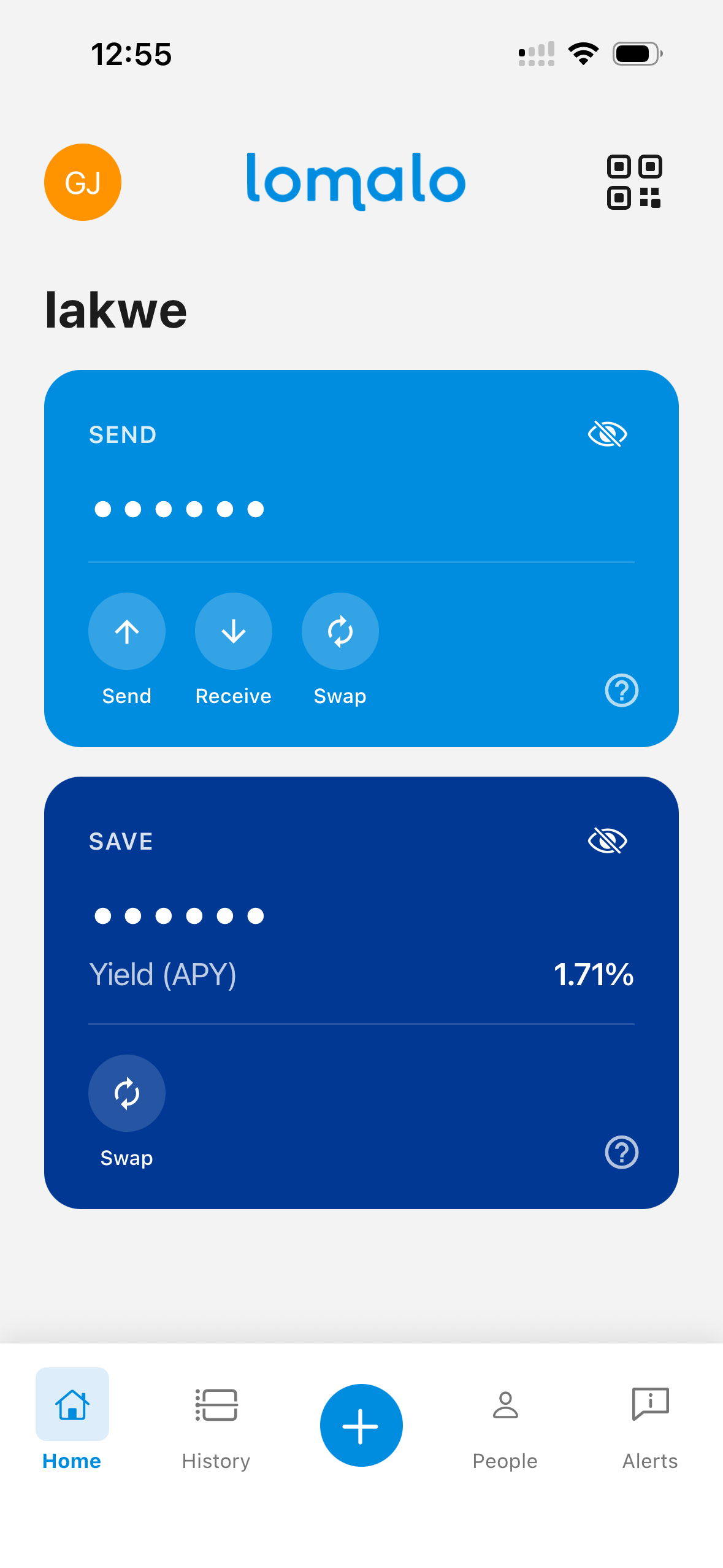
The Marshall Islands government and advocates have touted the new digital currency USDM1 and its associated Lomalo digital wallet as a vehicle for distribution of the universal basic income or UBI payments particularly to isolated islanders. But it isn’t a seamless process at this time.
This is because the Compact of Free Association trust fund — which is funding the UBI or, as they are known locally, “Enra” payments — allows only direct deposits to bank accounts or issuance of paper checks to eligible recipients of the Enra/UBI quarterly payments. Moreover, the USDM1 is still working through establishing relationships with domestic vendors so the digital currency can be used by recipients.
USDM1 is the world’s first sovereign, U.S. dollar-denominated digital bond issued on the Stellar blockchain by the Marshall Islands. It was launched in late 2025 and is a “one-to-one” U.S. Treasury-collateralized stablecoin-like digital bond. Promoters of the new digital currency option say it is a vehicle for delivering quarterly Enra payments to the country’s citizens, who are spread out across hundreds of thousands of square kilometers of ocean area on 24 atolls and single islands.
The second quarterly Enra payment is to be issued at the end of March to approximately 37,000 people, up from the 33,000 who received the first payment last November. All citizens who reside in the Marshall Islands are eligible to receive the payments, which accounts for the global uniqueness of the Marshall Islands UBI system.
The first quarter the payment per capita payment was just over $200. The upcoming payment is likely to be about $175 due to increased enrollment for the fixed amount of money for the current fiscal year.
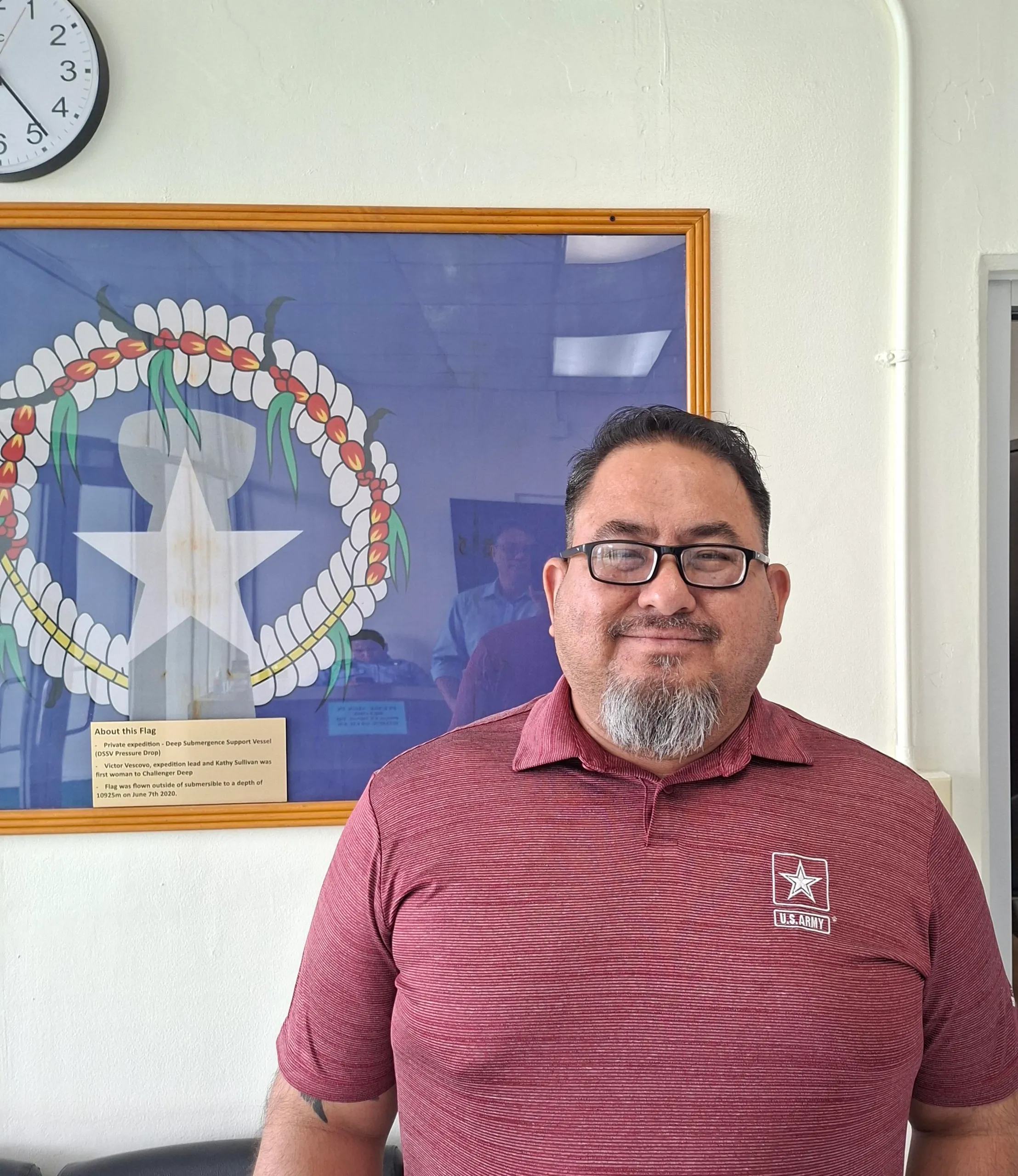
Marshall Islands Social Security Administration Administrator Bryan Edejer confirmed that the new digital currency will be used for about 100 of the approximately 37,000 eligible citizens for the March payment.
The Enra funding cannot be paid directly into Enra recipients’ Lomalo digital wallets. Instead, people who want to use the USDM1 stablecoin digital currency for their payments must go through a two-step process of getting a paper check from the Marshall Islands Social Security Administration or MISSA and then converting that to USDM1.
“We have proposed to the U.S. an amendment to include the USDM1 option,” said Finance Minister David Paul, who is a backer of the digital currency program. “In the meantime, those who wants their Enra in USDM1 should opt in with MISSA by having their (payment) issued out in checks first and then will have their checks converted into USDM1.”
This process allows the Marshall Islands Social Security Administration to have a paper trail for accountability. “All of this has to be documented, and the copy of that check will have to be voided and must be kept for auditing purposes,” said Paul.
MISSA Administrator Edejer explained that: “MISSA did not make any payments to the Lomalo wallet on the first ‘Enra’ distribution because an onboarding with the company was a bit late. However, for the next one, MISSA will cater for at least 100 eligible recipients who opted for that wallet for collecting their payments.”
“At this stage, Lomalo is primarily being used for Enra-related functionality, including verifying benefit eligibility, distributing Enra payments, and enabling peer-to-peer transfers among approved participants,” said Jeremy Coffey who is one of the principals involved in the USDM1 program.
“Additional USDM1 is not currently available for direct retail purchase within the Lomalo wallet.”
In terms the use of USDM1 in the RMI domestic market, Coffey said: “We are currently running small-scale pilots with a limited number of local businesses. Once those pilots conclude successfully, we intend to announce a confirmed list of participating businesses, including via Facebook and other local channels.”
How to exchange USDM1 digital currency for U.S. dollars is of great interest to potential customers, said Coffey.
“Cash-out functionality is one of our most requested features and we understand how important it is to get it right,” he said. “We are currently testing integrations that will enable direct cash-outs.”
Coffey said the current phase of the Lomalo wallet and USDM1 rollout “is focused on strengthening financial access and the reliability of benefit distribution. We’re sequencing our feature rollout in a way that prioritizes compliance, safety, and real utility for citizens. Overall, we’re running a few months ahead of where we thought we’d be at this point. That’s largely down to enthusiasm for the product.”
