




By Bryan Manabat
[email protected]
Variety News Staff
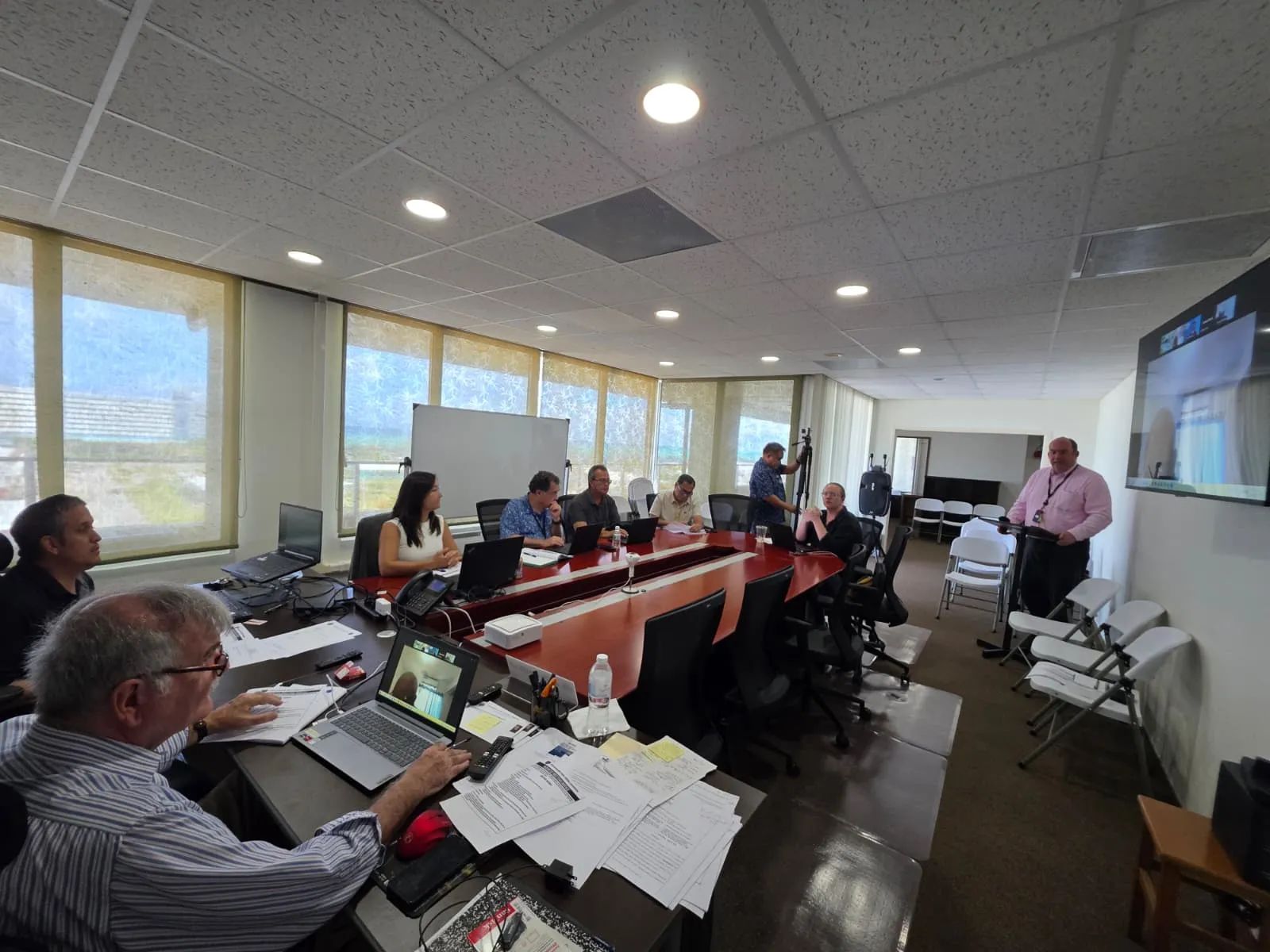
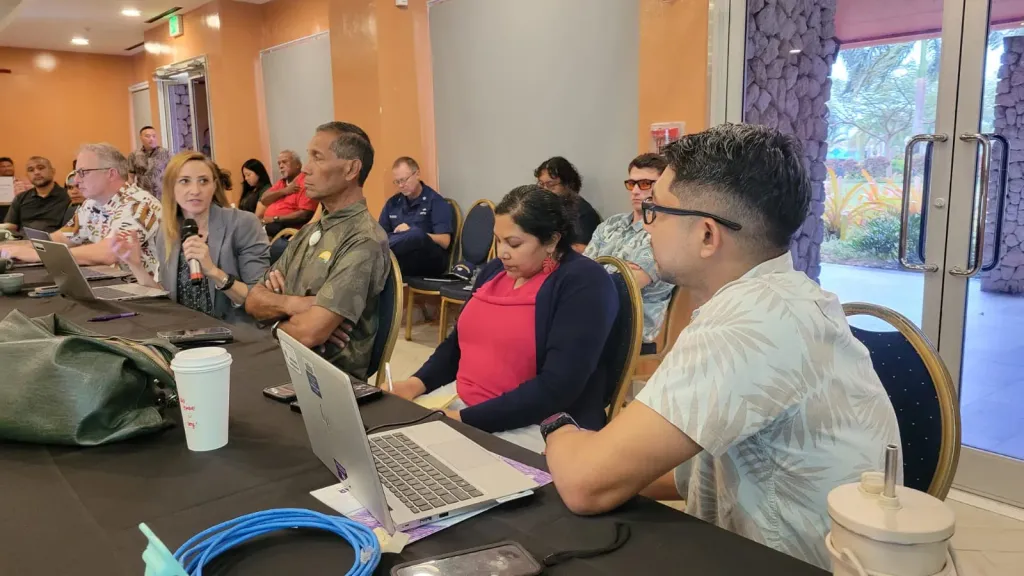
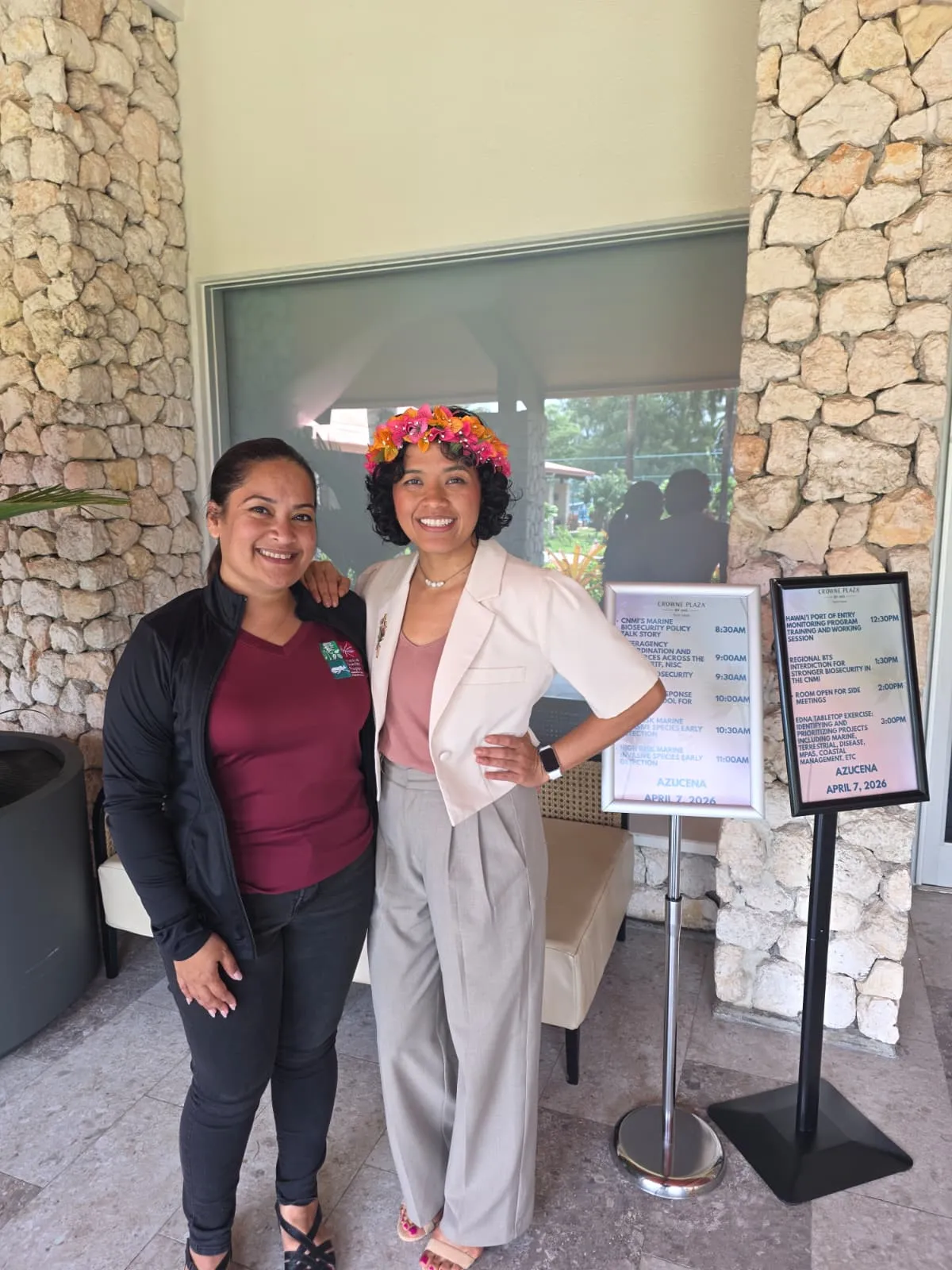
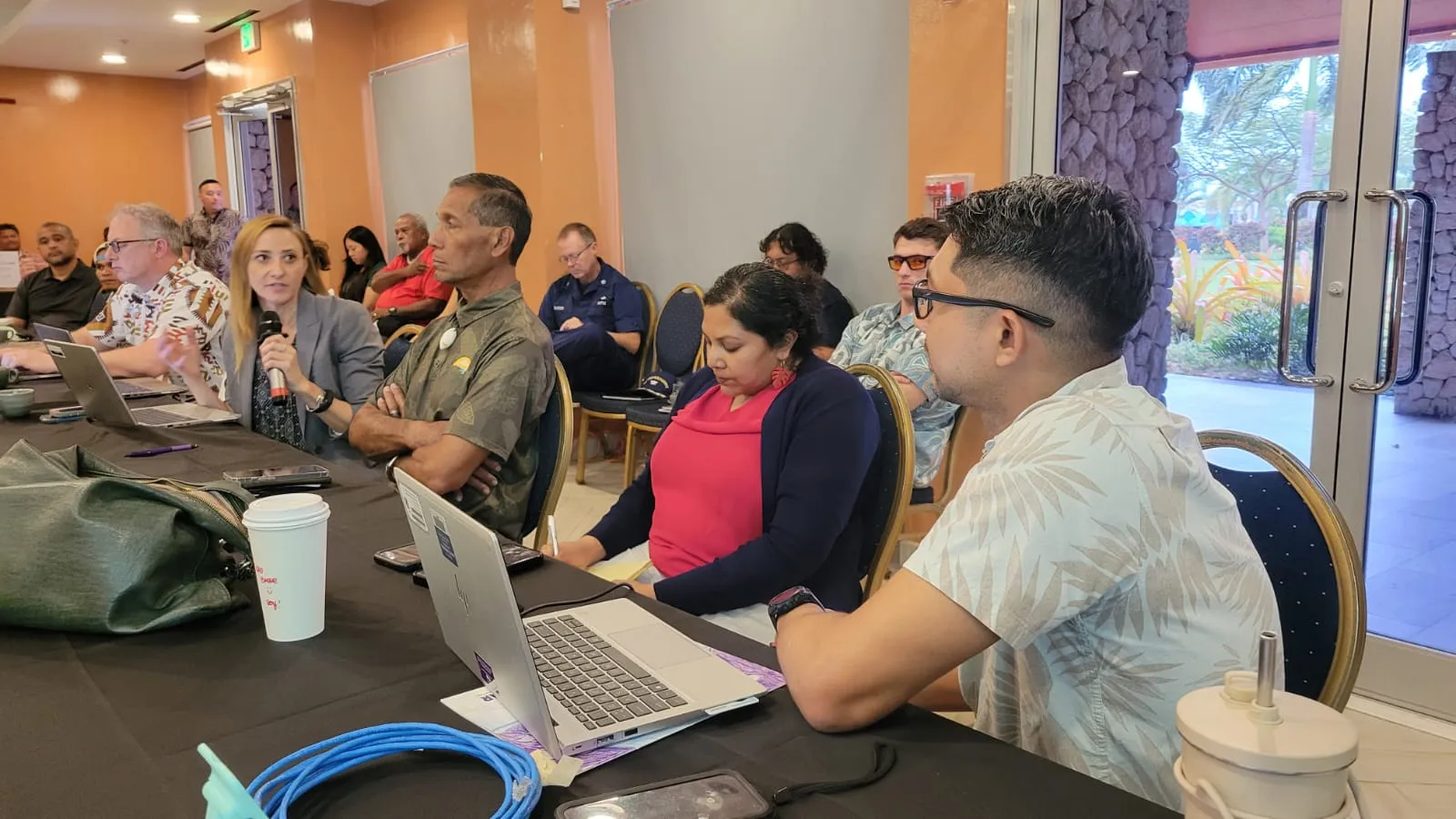
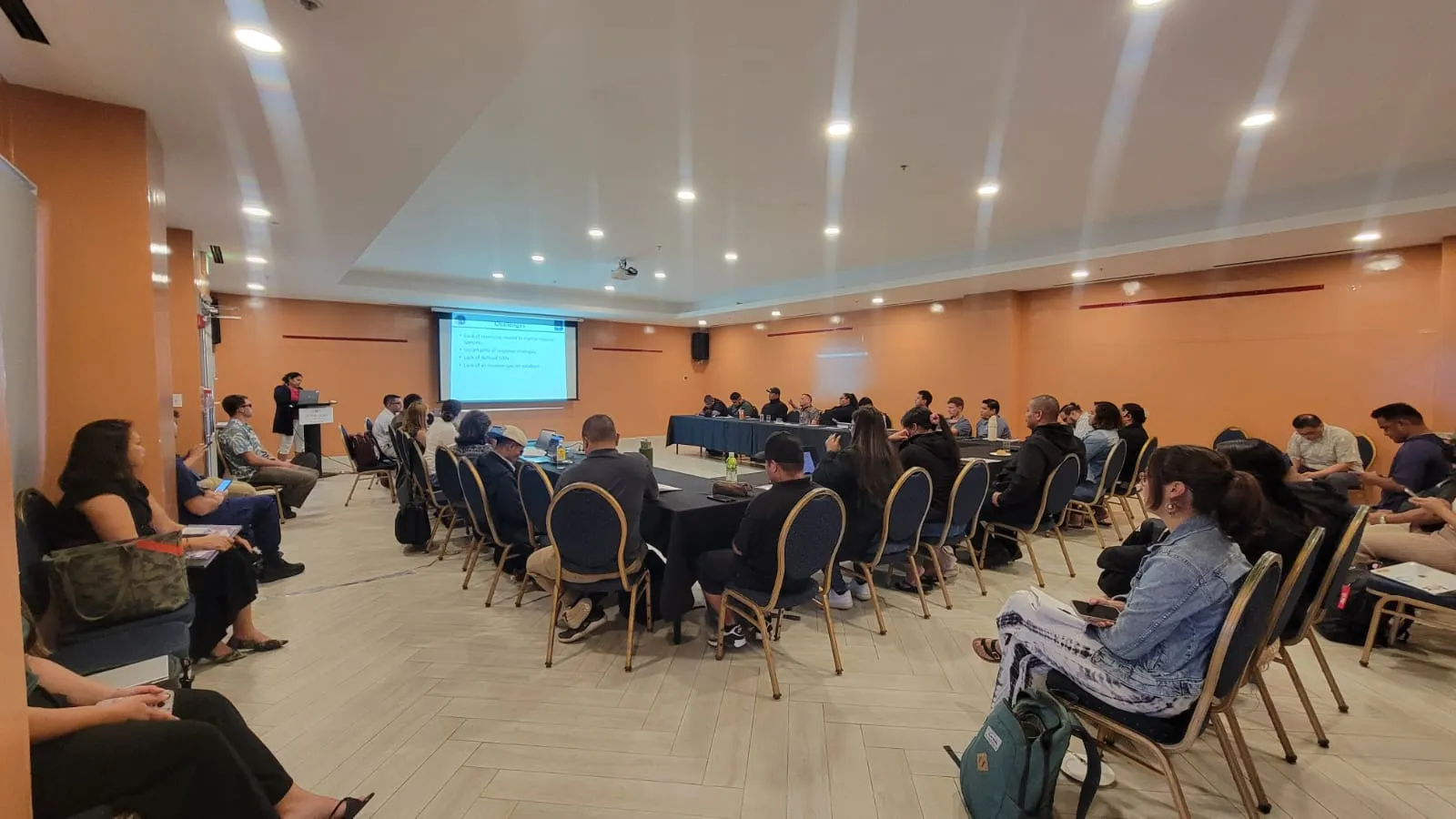
HELD April 6–10 at Crowne Plaza Resort Saipan, the CNMI’s first on-island biosecurity forum brought together local agencies, federal partners, and international experts to confront a growing list of invasive species and emerging marine threats — while building a long-term system to protect the islands’ environment and way of life.
According to Natashia Tomakane, one of the forum’s coordinators and the invasive species coordinator under the Department of Lands and Natural Resources, the event is historic.
“This is the CNMI’s first hosted on-island biosecurity forum, and we don’t have any previous standard for comparison,” she said, noting that unlike regional meetings held elsewhere, the forum focused squarely on the CNMI’s own needs and partners.
A long-awaited gathering
Kalani Aldan Reyes, coral reef restoration and response coordinator under the Coral Reef Initiative Program at DLNR, said the forum had been a long time coming.
Funding from the Office of Insular Affairs allows each jurisdiction to host its own biosecurity forum. However, the CNMI’s event was postponed twice — once due to an urgent issue and again following the passing of former Gov. Arnold I. Palacios, when facilities were needed for the state funeral.
Reyes described the forum’s overarching goal as creating a shared space for agencies involved in biosecurity. “The aim is to discuss biosecurity and national security issues among all the different practitioners and raise the baseline of capacity and awareness in the jurisdiction,” she said.
First time for marine biosecurity
Traditionally, CNMI biosecurity work — like that of many jurisdictions — has focused on land-based invasive species such as the brown tree snake, the coconut rhinoceros beetle, and invasive vines like mucuna.
“This year marks the first time marine biosecurity is included in the traditional biosecurity forum,” Reyes said, explaining her heavy involvement: “Response is a part of my duties.”
The forum also highlighted newer invasive species, including the mango boring beetle and the little fire ant. More than 50 participants from customs, agriculture, environmental agencies, coral programs, and federal partners gathered for a “talk story” session on marine biosecurity. Senior CNMI leaders, including the DLNR secretary and members of the Natural Resources Committee, attended as well.
Building CNMI’s first marine biosecurity plan
Reyes said her primary assignment from the forum is to draft the Commonwealth’s first dedicated aquatic and marine biosecurity plan.
“This will be the first CNMI aquatic and marine invasive and nuisance species plan,” she said, noting that Hawai‘i has had a similar plan for over 20 years. “We do not have one in the CNMI.”
A draft is expected by September, supported by a marine-specific training later this fiscal year. The training will include a detailed “horizon scan” of potential threats — from aquaculture and the pet trade to off-island imports and quarantine gaps. The scan results will form appendices of the plan.
Reyes said she is drawing on a planning template developed by the U.S. Geological Survey. Although originally designed for terrestrial invasives, it is now being adapted for marine threats.
Military, shipping, and deep-sea concerns
The push for a marine biosecurity plan is partly driven by regional changes. “Our biggest concern is the military buildup activities,” Reyes said, pointing to Tinian, where a coral-rich breakwater is slated for demolition to upgrade the harbor.
While infrastructure upgrades are necessary, she said federal partners are being asked to coordinate closely so local coral nursery programs can rescue and relocate corals.
Other emerging threats include shipping, imported materials, and deep-sea mining. “We are worried about deep-sea mining, our fisheries, and our lifestyle. We want to ensure that our coral reef environment can be enjoyed by future generations,” Reyes said.
She added that a strong, coordinated plan will allow agencies to respond quickly to marine disturbances such as coral disease outbreaks or typhoon impacts.
Capacity gaps and a single fumigator
While Reyes focuses on marine planning, Tomakane addressed day-to-day operational realities. Even with protocols in place, basic capacity limits can undermine biosecurity.
“For example, if a shipment is detected and requires fumigation, who’s going to do it?” she asked. The chemical usually required, methyl bromide, is tightly regulated and requires specialized certification. “There’s only one person certified, so we’re at the behest of that scheduling,” Tomakane said.
Staffing limits, restricted hours, and budget constraints further challenge rapid response.
Coordination with Defense and Customs
Tomakane stressed that local agencies cannot close these gaps alone. She highlighted the Department of Defense and Customs as essential partners.
“Classified operations mean local agencies cannot always plan far ahead, but better communication is possible. Preparing for large shipments allows us to schedule resources and capacity effectively,” she said.
Customs and biosecurity are “huge partners” in the forum and will be central to any future CNMI biosecurity framework.
Learning from global experts
The CNMI invited subject matter experts from the Pacific and mainland U.S. — including Fiji, Guam, Hawai‘i, Florida, Washington, D.C., and New Zealand — to share best practices.
“We wanted to maximize engagement with experts and learn what works elsewhere so we don’t have to reinvent the wheel,” Tomakane said. Reyes noted that CNMI already participates in national coral reef working groups that meet monthly to share experiences and draft plans.
‘Building our ship on deep waters’
Tomakane described the challenge: “We’re trying to build our ship on deep waters and sail it at the same time without drowning.” Despite the pressure, she expressed optimism that inter-agency collaboration and leadership support will allow CNMI to bridge connections and leverage resources.
Reyes echoed that hope, noting the current team — largely local staff now under DLNR — has potential to improve communication with the community and ensure science and policy decisions remain accountable.
Both coordinators view the inaugural forum not as an endpoint, but as the starting line for a stronger, more coordinated CNMI response to biosecurity threats.
Bryan Manabat was a liberal arts student of Northern Marianas College where he also studied criminal justice. He is the recipient of the NMI Humanities Award as an Outstanding Teacher (Non-Classroom) in 2013, and has worked for the CNMI Motheread/Fatheread Literacy Program as lead facilitator.
