


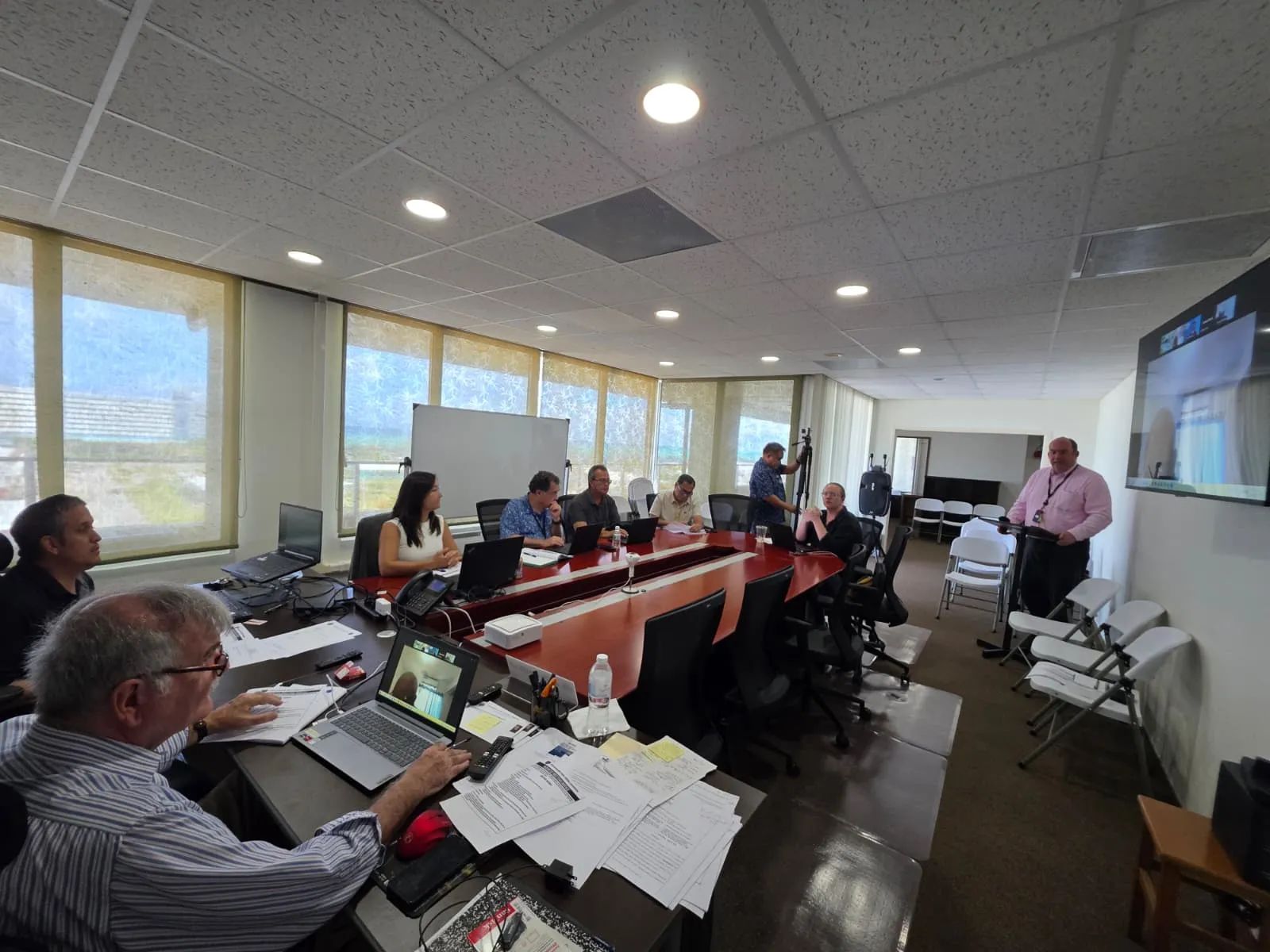





HAGÅTÑA (The Guam Daily Post) — The Consolidated Commission on Utilities has authorized the Guam Power Authority to petition for an increase to the Levelized Energy Adjustment Clause with the Public Utilities Commission.
The LEAC is the portion of monthly power bills that largely pays for fuel costs. GPA is pursuing the rate increase amid fuel shipment cost increases stemming from the U.S.-Israel war with Iran and the closing of the Strait of Hormuz.
GPA sources its fuel from Asia, which obtains crude oil from the Middle East, where tankers must pass through the strait.
The proposed LEAC increase would raise the rate by nearly 6 cents, from about 13.58 cents per kilowatt-hour currently to around 19.4 cents per kWh.
For the average residential customer using 1,000 kilowatt-hours per month, the proposed rate hike would translate to an increase of $58.31 in total monthly bills.
If approved by the PUC, the rate increase would take effect July 1. It is intended to remain in place through January 2027.
“We understand that customers are concerned about any increase to their monthly bills,” GPA General Manager John Benavente stated in a release about the CCU’s approval of the proposed LEAC.
“This recommendation is not intended to recover the full projected fuel underrecovery at once. It is intended to keep that balance from growing while helping ensure GPA can continue purchasing fuel and spread fuel cost impacts over time, rather than asking customers to absorb a larger increase all at once,” Benavente added.
GPA is projecting an underrecovery of $27 million by the end of June. As Benavente said, the proposed LEAC would not be enough to recover all of the underrecovery and would need to be about 23.1 cents per kWh to do so.
But utility officials have, in the past, shied away from fully recovering fuel costs at one time if the LEAC would get too high, opting instead to spread out rate increases or maintain rates at certain levels to mitigate the impact of cost hikes on consumers.
Just last week, the PUC authorized GPA to secure and establish a line of credit of up to $70 million for fuel purchases.
This would be a short-term financial tool used only as needed to help GPA continue purchasing fuel while fuel costs are recovered through the LEAC.
The credit line is one of several initiatives to manage the impact of rising fuel costs and avoid placing the full impact of these costs on customers all at once, Benavente previously stated.
