




By Emmanuel T. Erediano
[email protected]
Variety News Staff
THE Uraali Refaluwasch Association in the CNMI is urging the Western Pacific Regional Fishery Management Council to examine policy options consistent with Section 702 of the Covenant establishing the CNMI in political union with the United States.
Section 702 of the Covenant constitutes “a commitment and pledge of the full faith and credit” of the United States to appropriate grant assistance to the CNMI government for each of the seven fiscal years following the effective date of the Covenant, which was signed into law in 1976 by President Gerald Ford.
URA senior advisor Melvin L.O. Faisao told the Council that he believes there is merit in exploring benefit-sharing mechanisms that would allow the CNMI and other U.S. Pacific territories to realize meaningful economic returns from commercial fishing activities in waters adjacent to their communities.
This approach, Faisao said, would help ensure that economic development, resource stewardship, and community well-being advance together.
By aligning fisheries management with local economic participation and community investment, he said, the Council has an opportunity to ensure that expanded access translates into tangible benefits for Pacific Island communities.
“It would not only strengthen local economies but also reinforce the shared responsibility of conserving and sustaining our marine resources for future generations,” he said.
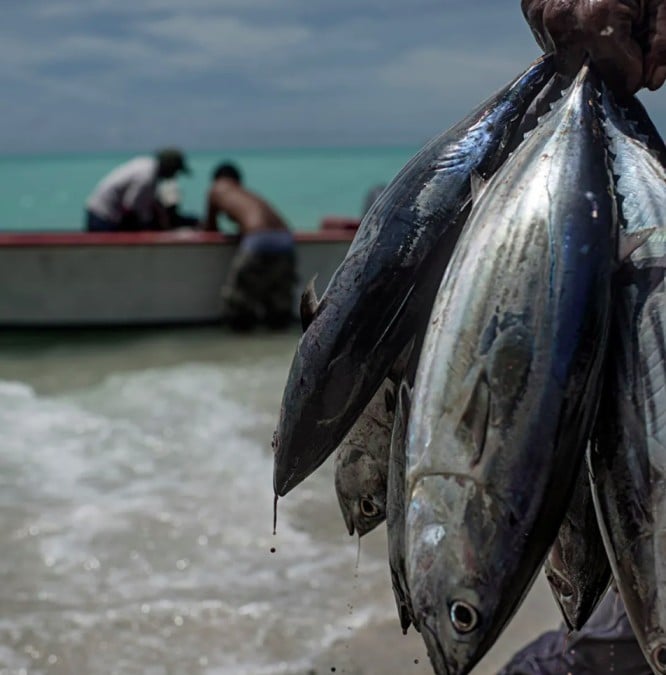
In reference to President Donald Trump’s proclamation reopening the marine monument to commercial fishing, Faisao reiterated his concern about an issue he said remains important to many Pacific island communities, particularly in the CNMI.
“For the CNMI, this concern is particularly significant,” he said.
“As discussions advance regarding access to waters within and adjacent to the Marianas region, I believe it is essential that the economic benefits derived from these resources not simply pass through our waters but also contribute directly to our communities.
“The CNMI should have opportunities to participate meaningfully in local employment and workforce development; small-business opportunities; port and fisheries infrastructure improvements; seafood processing and distribution; research partnerships; and other initiatives that create lasting economic value for our residents,” Faisao said.
He encouraged the Fishery Council to explore mechanisms that would ensure Pacific Island communities — and particularly the CNMI — receive a fair and measurable share of the benefits associated with expanded fishing access.
Such efforts, he said, would help strengthen public support for fisheries management decisions while advancing economic self-sufficiency, food security, and long-term community resilience throughout the region.
“I believe there is an opportunity to achieve a balanced approach that supports responsible fisheries development, protects marine resources for future generations, and ensures that the people of the Pacific are meaningful participants in the economic opportunities generated from these resources,” he said.
Emmanuel “Arnold” Erediano has a bachelor of science degree in Journalism. He started his career as police beat reporter. Loves to cook. Eats death threats for breakfast.
