




By Emmanuel T. Erediano
[email protected]
Variety News Staff
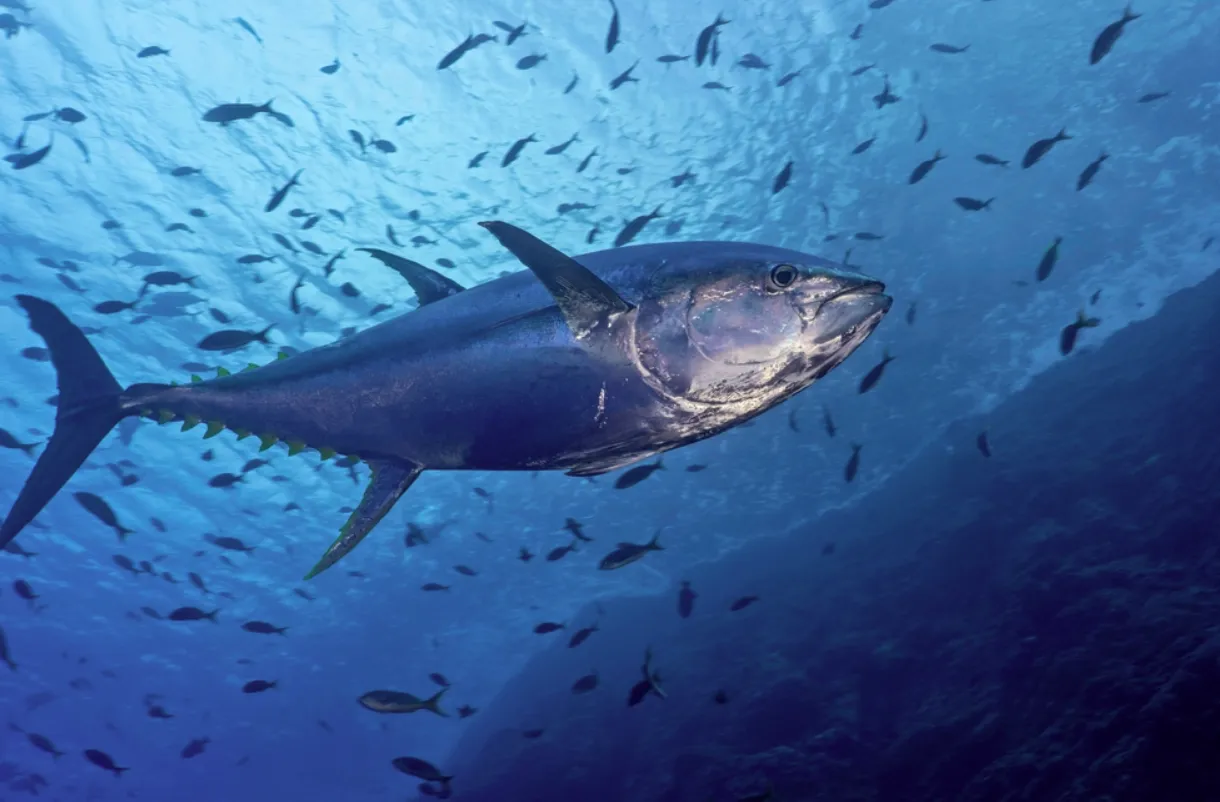
THE Uraali Refaluwasch Association is asking the Western Pacific Regional Fishery Management Council how the Commonwealth of the Northern Mariana Islands will benefit from programs under the Magnuson-Stevens Fishery Conservation and Management Act, including the Western Pacific Sustainable Fisheries Fund, Marine Conservation Plan funding, fisheries development initiatives, and the territorial bigeye tuna allocation.
In a letter to the Council, URA senior advisor and cultural practitioner Melvin L.O. Faisao noted that over the years, the CNMI has benefited from various fisheries-related programs supporting marine conservation, fisheries management, workforce development, research, education, and enforcement activities.
He said that while discussions on expanded commercial fishing in the Pacific continue, it is important for CNMI residents, policymakers, and stakeholders to understand the historical benefits received by the Commonwealth and how those benefits compare with the value generated from fisheries resources harvested within the region.
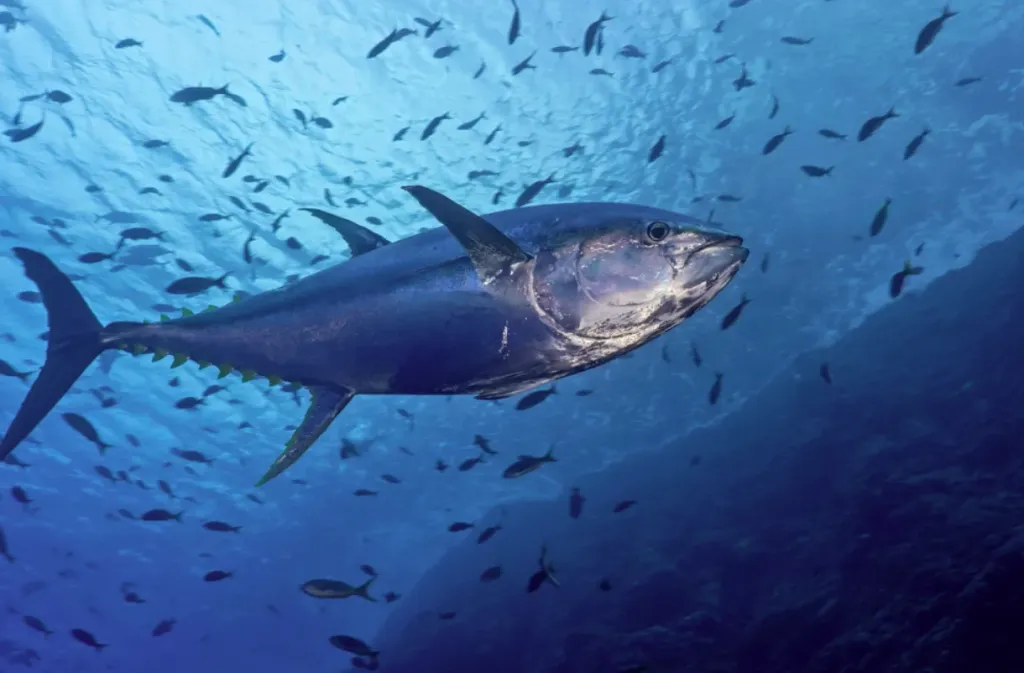
Faisao also sought clarification regarding the CNMI’s historical participation in the territorial bigeye tuna allocation program. He said the CNMI has entered into specified fishing agreements that allowed portions of its territorial bigeye tuna catch allocation to be used by eligible U.S. longline vessels. He added that these arrangements are intended to support fisheries development, conservation, and community-based projects within the Commonwealth.
The Refaluwasch leader said he was particularly interested in whether any reallocation of funds affected the distribution of fisheries-related funding among Pacific jurisdictions, including the CNMI, Guam, American Samoa, or Hawaiʻi. Based on his review, he said he has not seen public documentation confirming that CNMI-attributable Sustainable Fisheries Fund revenues were returned or reallocated. “Therefore, I seek clarification to ensure an accurate understanding of the historical record,” he said.
In the interest of transparency and informed public discussion, he respectfully requests the following information:
• The total amount of Sustainable Fisheries Fund allocations and other Magnuson-Stevens-related funding received by the CNMI since program inception.
• A historical summary of CNMI Marine Conservation Plan projects funded through SFF or related fisheries revenues.
• Scholarship, workforce development, fisheries training, and capacity-building investments benefiting CNMI residents.
• Fisheries enforcement, conservation, and management funding provided to the CNMI.
• Revenues generated through Pacific Insular Area Fishery Agreements and other territorial fisheries agreements involving the CNMI.
• Annual amounts of bigeye tuna allocated to the CNMI, transferred under specified fishing agreements, and harvested under those allocations.
• Portions of CNMI territorial allocations that were not utilized, expired, reverted, or otherwise lapsed at the end of a fishing year.
• Total revenues generated for the CNMI through territorial bigeye tuna allocation agreements since the program began.
• Total economic value of fish harvested under CNMI allocations compared with direct financial benefits received by the Commonwealth.
• Accounting of CNMI-attributable Sustainable Fisheries Fund revenues that remained unobligated, expired, lapsed, were returned, de-obligated, reprogrammed, or reallocated during Fiscal Years 2023 and 2024, including their final disposition.
• Whether the Council or NOAA Fisheries has conducted any economic analysis evaluating the return on investment or overall economic impact of these fisheries programs on the CNMI.
• Whether the Council or NOAA Fisheries has evaluated the extent to which fisheries revenues generated through CNMI allocations have contributed to local economic development, fisheries infrastructure, workforce development, and community benefits within the Commonwealth.
• Whether the Council or NOAA Fisheries has conducted any assessment comparing the economic value of fish harvested under CNMI allocations with the financial and community benefits received by the CNMI.
To assist in ensuring a complete and accurate understanding of the historical record, Faisao requests copies of, or references to, any publicly available reports, annual accounting summaries, grant records, Marine Conservation Plan funding reports, territorial allocation agreements, Federal Register notices, NOAA memoranda, audits, economic analyses, or other documents relevant to the matters identified above.
Emmanuel “Arnold” Erediano has a bachelor of science degree in Journalism. He started his career as police beat reporter. Loves to cook. Eats death threats for breakfast.
