



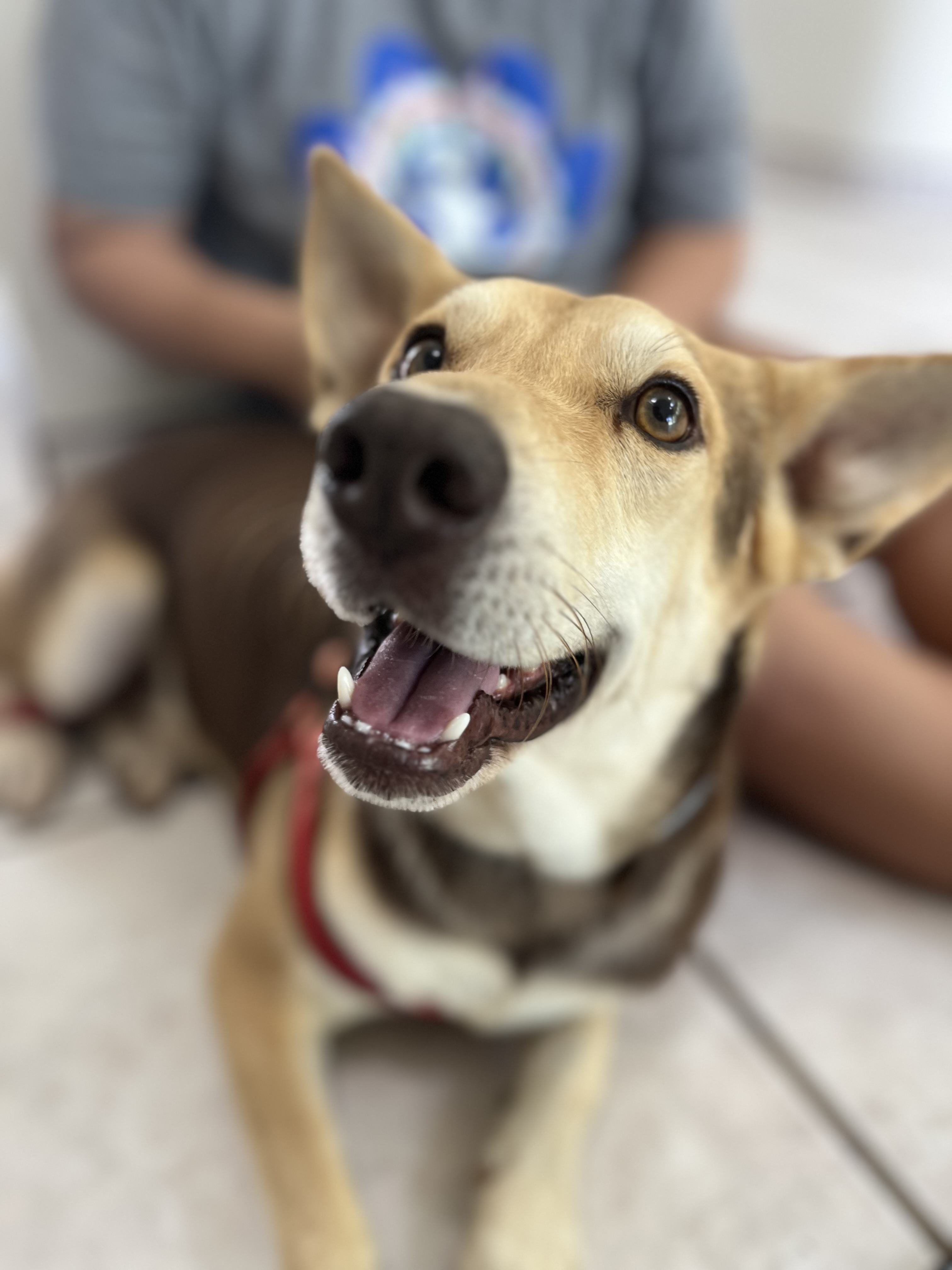
Register your pets for the forthcoming spay and neuter clinic by visiting www.saipanhumanesociety.org/.
THE Saipan Humane Society invites members of the community to register their dogs and cats for a spay and neuter clinic at the Kagman Community Center on Nov. 9, 11, 12, 13, and 14.
Surgeries cost $40. Financial assistance is available for those who qualify.
Appointments can be scheduled starting Tuesday, Nov. 5, at www.saipanhumanesociety.org/.
For questions, email SHS at clinic@saipanhumanesociety.org or call (670) 233-7387.
Parker Project
Assisting in this forthcoming spay/neuter clinic is Dr. Karter Neal and a team of nine from the Parker Project.
According to the Parker Project’s website, it is an organization that serves the Navajo Nation, which, like the CNMI, does not have adequate access to veterinarian care.
“The Navajo Nation spans over 27,000 square miles, and is present in four states,” Parker Project’s website states. “In those 27,000 square miles, there are a total of three veterinarians that serve the entire Navajo Nation. Most cities or towns may have access to three veterinarians in 27 square miles, so you can only begin to imagine the undertaking of three for twenty-seven thousand.”
Ruby Ma, SHS clinic manager, anticipates that the forthcoming spay and neuter clinic can assist over 300 pets with surgeries.
Aside from animals that have dedicated homes, SHS also hopes to help out “community pets,” or village animals that residents feed and care for, but do not have an owner.
“In Saipan, these dogs are fed, cared for, and even sheltered by different members of the community, who collectively take on the responsibility of their well-being,” said SHS founder Lauren Cabrera. “However, managing their health and population can be challenging.”
She said in response, SHS and the Parker Project plan to implement a “Trap-Neuter-Return” or TNR program.
Cabrera said via TNR, community-owned dogs will be safely captured, sterilized, vaccinated, and then returned to their territories.
She said there are long-term benefits to managing animal populations with the TNR method.
“By spaying or neutering dogs, TNR prevents new litters from being born, which gradually reduces the number of dogs over time,” she said. “This helps stabilize the population naturally without the need for constant intervention. In contrast, removing dogs often leads to what’s called the ‘vacuum effect’ where other dogs move into the emptied area, fill the gap, and start reproducing, creating an endless cycle of population growth.”
She said TNR is a “humane approach” that aims to improve the health of animals.
“Together, Saipan Humane Society and the Parker Project are working toward a balanced, compassionate solution for community-owned dogs in Saipan,” Cabrera said.
