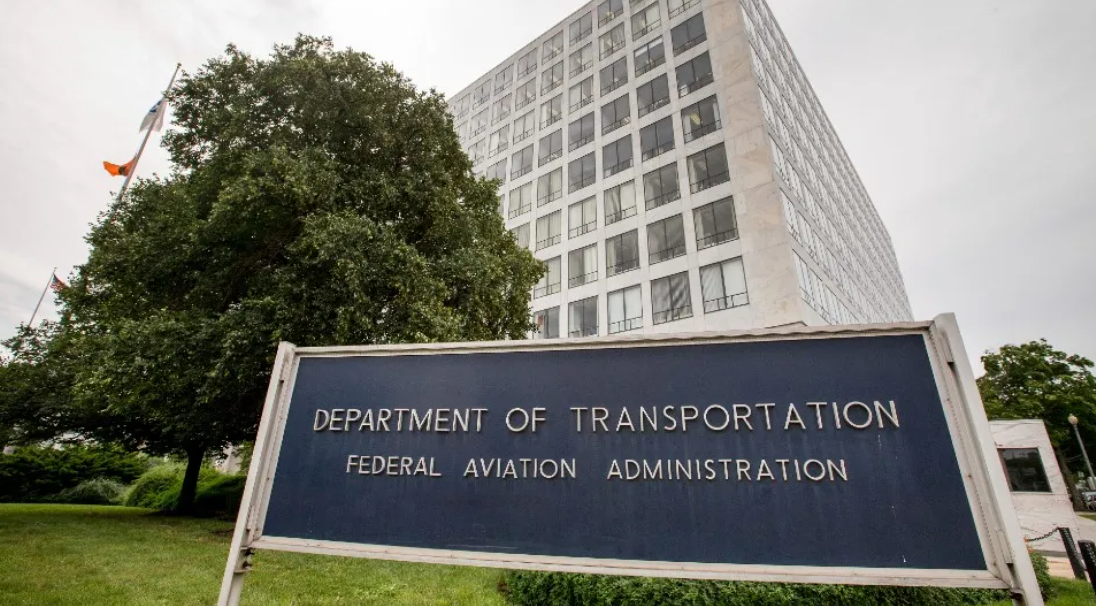




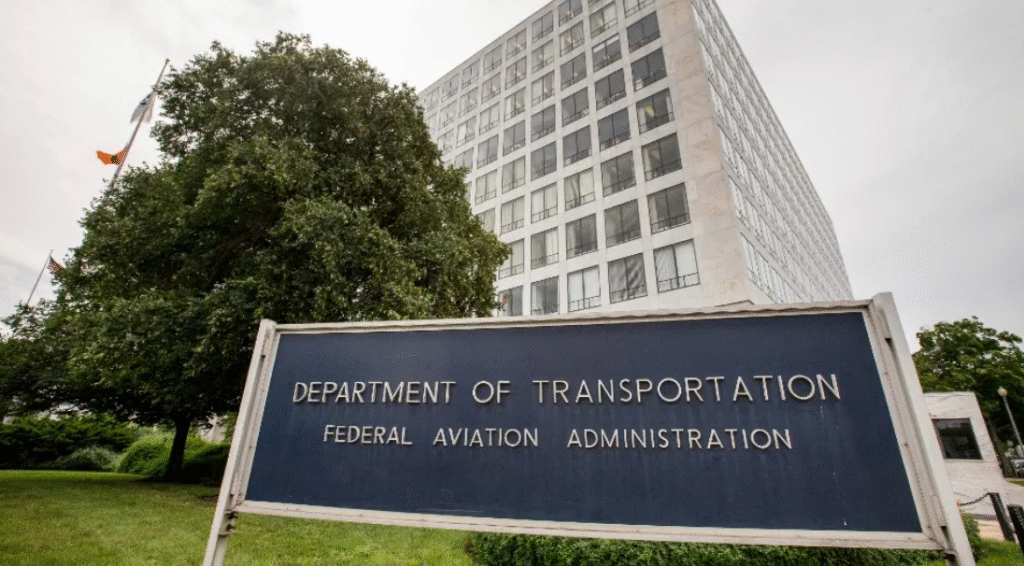
THE Federal Aviation Administration on Friday approved the Commonwealth Ports Authority’s corrective action plan to address the findings of a single audit conducted last year.
In his email to CPA Executive Director Christopher Tenorio, FAA Office of Airports Compliance and Management Analysis Manager Scott Glenn said “after careful examination, we have determined that the responses along with supporting documents and updated procedures from the Commonwealth Ports Authority sufficiently address the audit findings. Therefore, we conclude that no further action is required.”
But he also advised Tenorio that the corrective action plan is subject to audit by the Office of the Inspector General every three years so the close-out package will be submitted to the OIG.
CPA Board Chairwoman Kimberlyn King-Hinds said the CPA “has worked tirelessly and diligently to address and resolve issues with the audit findings.”
“I am incredibly proud of the team and proud of their work and commitment. This response by the FAA is validation of that hard work,” she added.
CPA’s corrective action plan for each of the findings are as follows:
To address findings of local non-compliance in procurement
1) Establish standard operating procedures for procurement.
CPA has established Procurement SOPs and flowcharts that were implemented and effective on June 30, 2022. The SOPs detail the procurement requirements, responsibilities, and include best practices. These SOPs are based on CPA procurement regulations. The flowchart provides staff with a determination on the type of procurement required and the workflow to the next steps in line with the procurement regulations.
2) Develop a training plan for procurement procedures.
CPA developed a procurement training plan that was implemented on June 17, 2022. The training plan includes annual requirements for training on procurement regulations, methods and compliance requirements. The training is based on the established SOPs and is mandatory for CPA department heads and all staff involved in the procurement process. The first initial training was completed in June 2022 by CPA legal counsel, CPA procurement staff, and the comptroller.
3) Implement standard procurement forms.
Standard procurement forms have been developed to establish additional controls and reviews for all purchases. The standard forms include requirements as per the procurement regulations and are required to be submitted with the applicable procurement requests. Other standard procurement forms are being revised to align with the procurement SOPs.
4) Technical consultant review.
CPA hired a technical consultant (a certified public accounting firm) on May 6, 2022. Part of the technical consultant’s scope of work is to review the fiscal year 2020 findings and provide recommendations on how to prevent findings from recurring. The technical consultant conducted a training and provided recommendations on resolving the local procurement non-compliance finding in fiscal year 2020. CPA will implement the recommendations of the technical consultant by July 31, 2022.
5) Internal auditor position.
An internal auditor position was created on May 16, 2022. CPA is announcing this position and anticipates hiring an internal auditor by August 2022. Part of the internal auditor’s responsibilities include reviewing procurement documents for compliance. The internal auditor reports directly to the CPA board of directors and will be required to provide quarterly reports. The internal auditor quarterly reports will be used as a tool to identify areas of procurement non-compliance for immediate correction.
To address findings on capital assets — equipment and real property management
1) Technical consultant review.
CPA hired a technical consultant (a certified public accounting firm) on May 6, 2022, to conduct a full reconciliation of its fixed asset inventory. The technical consultant completed the full fixed asset inventory on July 1, 2022. The fixed asset inventory included documenting identifying information for each fixed asset. The CPA Procurement Office is entering the identifying information for the assets into the fixed asset system. The fixed asset inventory also identified obsolete and damaged assets that were recommended to be removed from the fixed asset system. These asset disposals and decommissions are being conducted by the CPA Procurement Office. The technical consultant also conducted training and provided recommendations on resolving the equipment management finding. CPA will implement the recommendations of the technical consultant by July 31, 2022.
2) Establish SOP for equipment management.
CPA has established Equipment Management SOPs that were implemented and effective on June 30, 2022. The SOPs detail the equipment management requirements, details, and responsibilities. In addition, the SOPs include an annual mandatory schedule for inventory, disposals, and reconciliation.
3) Implement standard equipment management forms.
Standard procurement forms have been developed to establish additional controls and reviews for all equipment. These standard forms include requirements such as identifying details for all fixed assets. Other standard forms are being revised to align with the Equipment Management SOPs.
4) Develop a training plan for equipment management procedures.
CPA developed an Equipment Management training plan that was implemented on June 17, 2022. The training plan includes annual requirements for training on equipment management and compliance requirements. The training is based on the established SOPs and is mandatory for all staff involved in equipment management. The first initial training was conducted in June 2022 by CPA legal counsel, CPA procurement staff, and the comptroller.
5) Internal auditor position.
An internal auditor position was created on May 16, 2022. CPA is announcing this position and anticipates hiring an internal auditor by August 2022. Part of the internal auditor’s responsibilities include reviewing inventory records and equipment management files for compliance. The internal auditor reports directly to the CPA board of directors and will be required to provide quarterly reports. The internal auditor quarterly reports will be used as a tool to identify areas of equipment management non-compliance for immediate correction.