



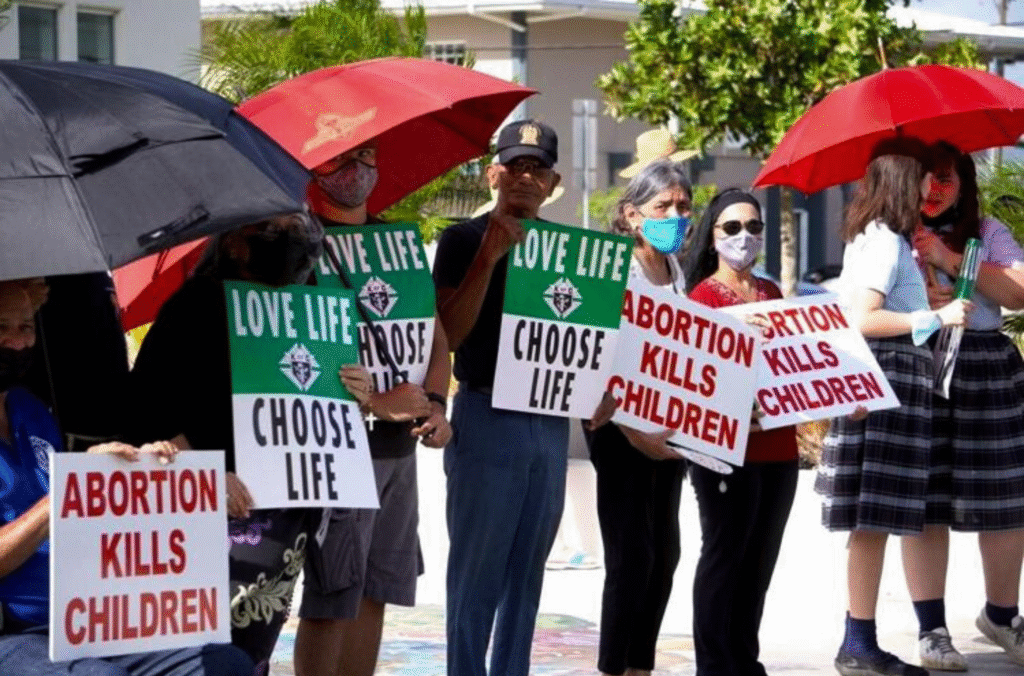
HAGÅTÑA (The Guam Daily Post) — Sen. Thomas Fisher and Vice Speaker Tina Muña Barnes have introduced legislation that will allow the public to vote on whether to codify a right to provide and receive abortion services on Guam without certain limitations.
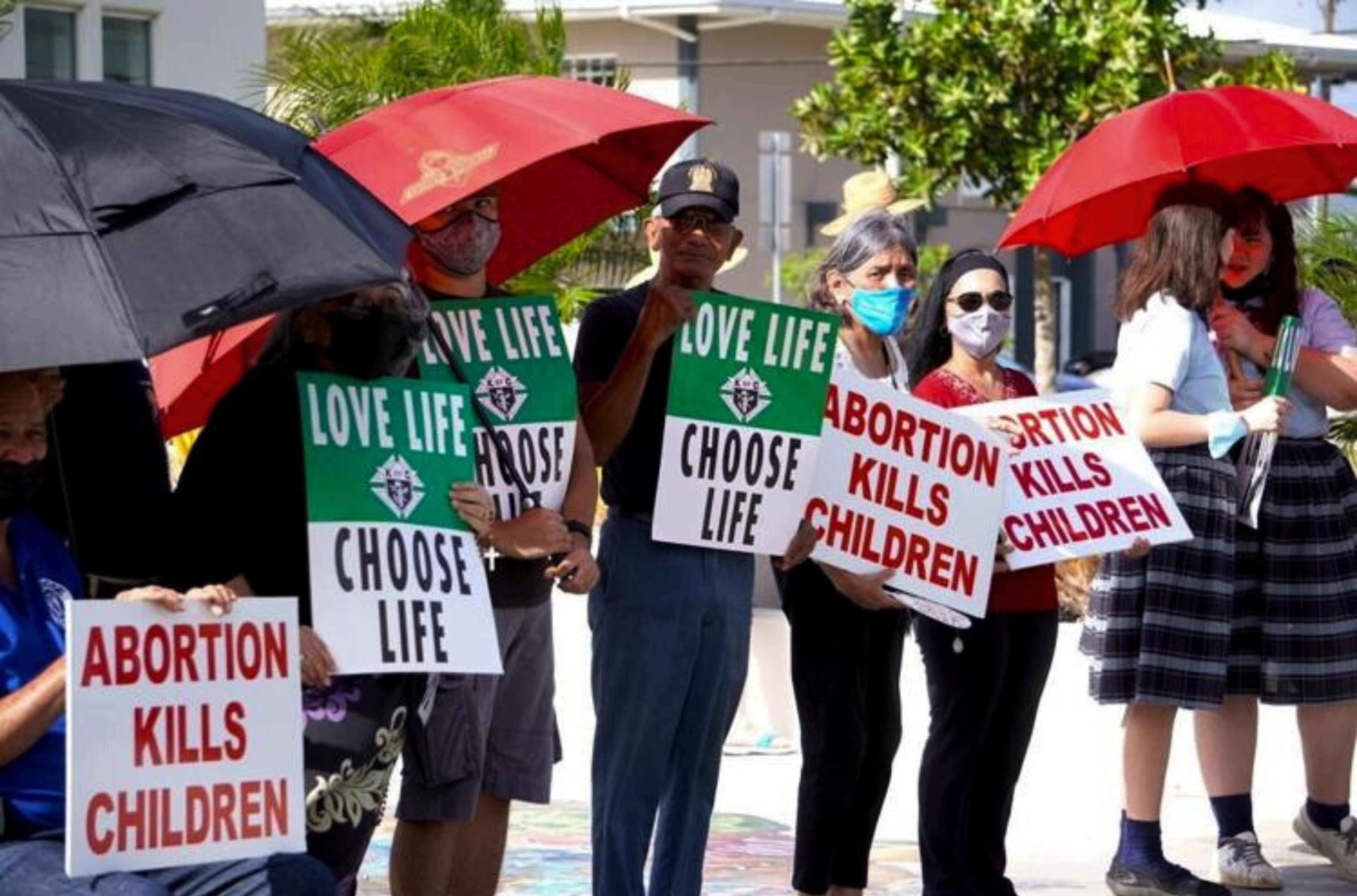
Abortion had been a protected right in the United States for decades until the summer of last year, when the U.S. Supreme Court handed down its judgment in Dobbs v. Jackson Women’s Health Organization. The ruling essentially gave states and territories the ability to decide how abortion should be regulated. That led to outright bans in some jurisdictions.
On Guam, abortion remains legal, but several local and federal cases are looking to shape the island’s legal landscape regarding the practice.
At the federal courts, the attorney general is seeking to dissolve the judicial injunction on Guam’s 30-year-old abortion ban, which would allow enforcement of that law.
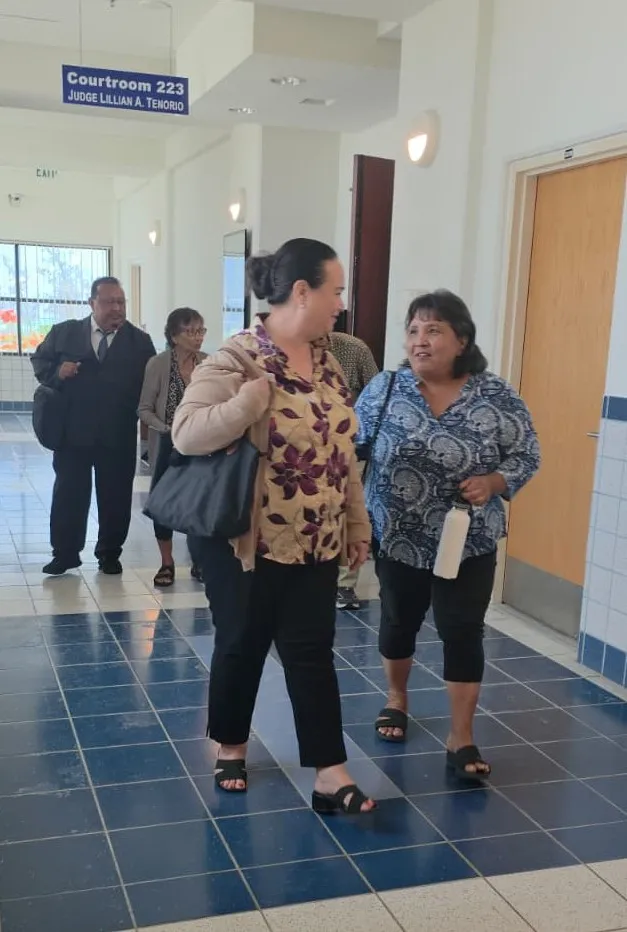
A separate case in the Supreme Court of Guam seeks to answer questions about the validity and enforceability of the ban, which does also contain a referendum provision. The AG has urged that the referendum take place.
Another federal case currently being appealed is contesting the in-person consultation mandate for abortion on Guam. That is particularly relevant as Guam lacks an on-island abortion provider, leaving patients to turn to telemedicine and medication abortion if they cannot travel to undergo the procedure.
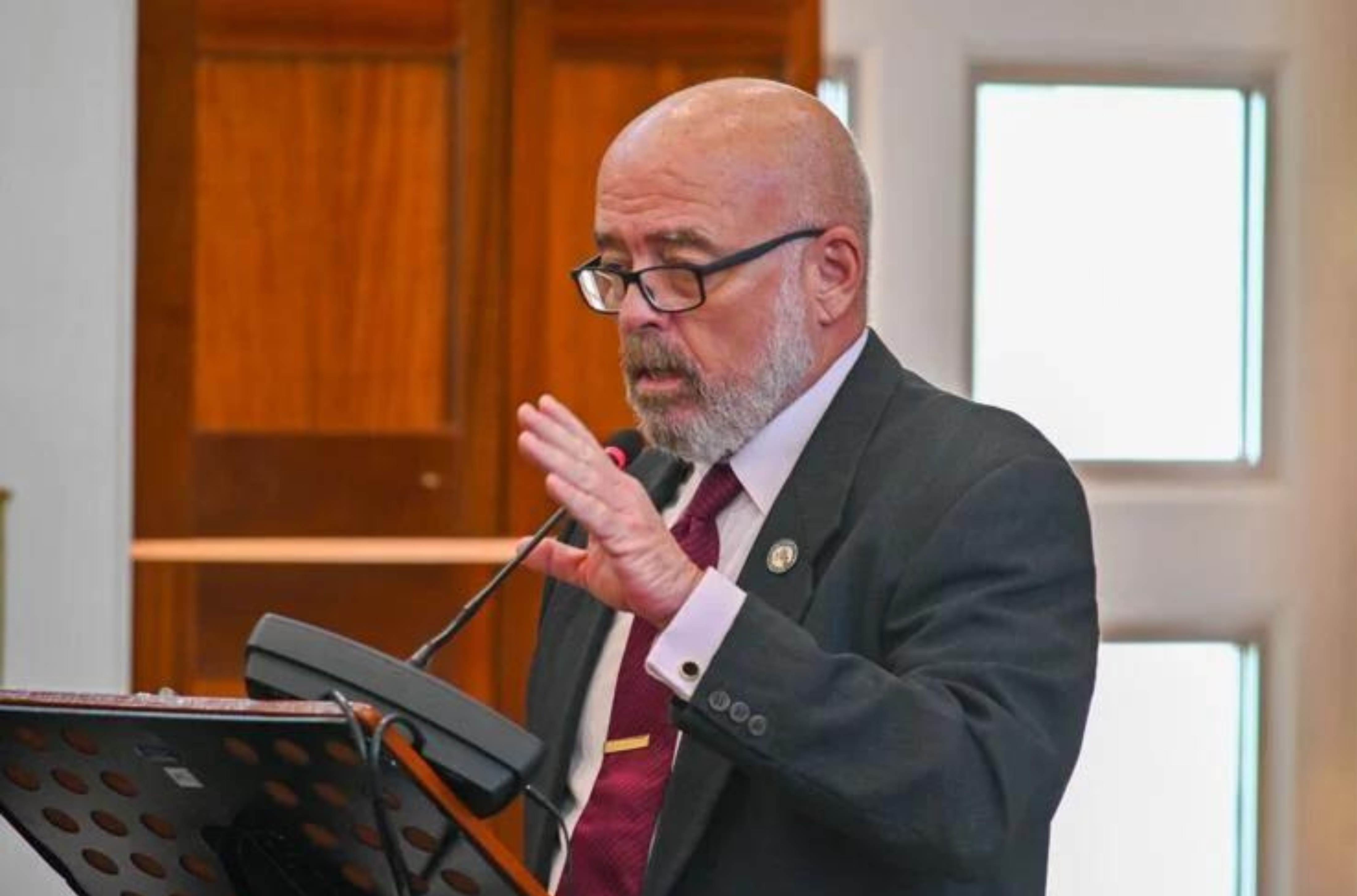
Bill 106-37, the “You Decide” measure from Fisher and Barnes, takes no stance on abortion either way, according to Fisher, the main sponsor of the legislation.
“I am not advocating for nor condemning abortion rights on Guam,” the senator stated in the release.
Under Bill 106, voters will decide if legislation titled the “Health Protection Act of 2023” should be enacted into law. The act would ensure the ability of health care providers to provide abortion services, and for their patients to receive those services, without restrictions that single out abortion services.
“SCOTUS overturned Roe v. Wade and opined that states and territories across the country should decide. Well, with Roe and Dobbs, that’s at least half a century of men telling you women what to do. That’s why I am introducing this bill – I believe the people should make the decision for Guam, once and for all. Whatever results from the people’s vote, we must live with,” Fisher added.
Those include a limitation on the provider’s ability to provide abortion services via telemedicine, other than a limitation generally applicable to the provision of medical services via telemedicine; and a limitation on a health care provider’s ability to prescribe or dispense drugs based on evidence-based regimens or the provider’s good-faith medical judgment.
If enacted by voters, the provisions of the Health Protection Act will “apply to all restrictions on the provision of, or access to, abortion services whether the restrictions are enacted or imposed prior to or after the date of enactment of this Act,” except as otherwise provided in the measure.
Bill 106 states that the question of whether the Health Protection Act should be enacted should be submitted for the 2024 general election to be held in November 2024.