


THE Office of the Governor cannot shut down the constitutionally created Indigenous Affairs Office, says Chamorro culture advocate Lianna S. Hofschneider.
Asked for comment, the governor’s office stated: “As referenced in last week’s press conference, the administration is still in the process of filling key cabinet positions. Any functions of the Indigenous Affairs Office are being assumed by the Office of the Governor. Any inquiries and concerns can be referred to the Office of the Governor while we are filling those positions.”
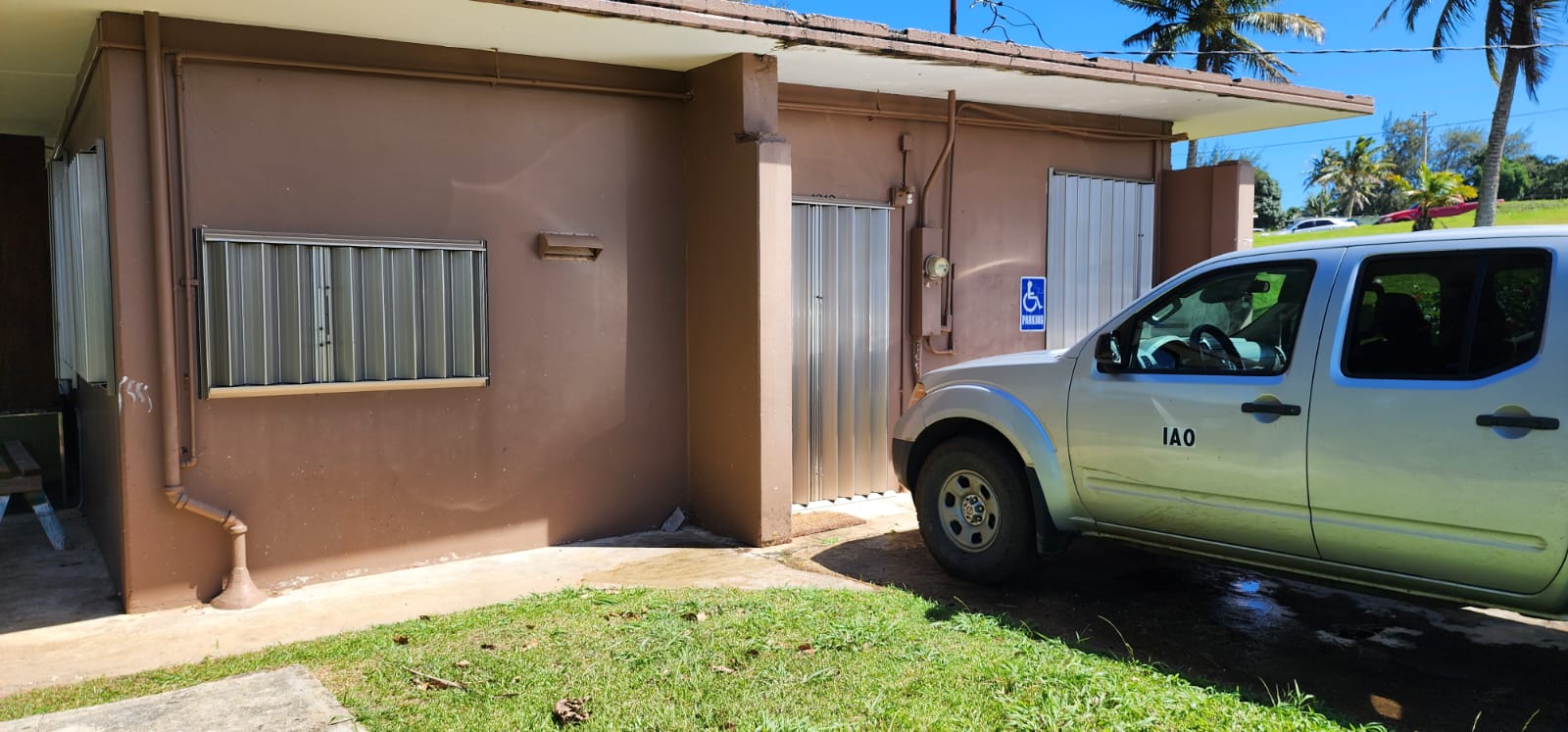
Under the previous administration, the IAO was headed by Roman Tudela Jr. who resigned on Jan. 6, 2023. Since then, the IAO has been closed, said Hofschneider, who is also president and founding member of the MATUA Council for Native Chamorro Advancement.
She reiterated that the IAO is a constitutionally created office.
“Governor Palacios does not have the constitutional authority to close the IAO,” she added.
She said the IAO must be readily accessible to the Chamorros “as this office serves as their advocate on matters brought before the resident executive of the IAO.
“If you look at the constitutional provision, the IAO is just like any department in the CNMI government. The IAO resident executive is provided power and authority through a constitutional mandate to promulgate rules and regulations to carry out the duties and responsibilities of the office. The Governor alone does not have the authority to shut down the IAO absent a natural disaster or an emergency declaration to support and justify such closure,” Hofschneider said.
She said the Office of the Attorney General “must address this constitutional violation in the unilateral closure of this constitutional office.”
She noted that the Carolinian Affairs Office remains open. “A classic example and clear display of discrimination against the indigenous people of the Mariana Islands, the Chamorros,” Hofschneider added.
“We will take the necessary steps and venues available to us to address this serious matter against our indigenous people.
“We will not yield to this continued assault, insult and discrimination against the Chamorro by the government of the CNMI using both local and federal taxpayers’ monies,” she added.
Hofschneider said the IAO has seven full-time equivalent positions, “but only five returned following the post-pandemic closure of all government offices.”
She said the IAO is the site for several Chamorro heritage cultural practitioners such as the Taotao Lagua Yo’ti (fishermen/women & ocean monitors), Taotao Yo’amte (traditional healers, including herbalists), Taotao Man Faye (Chamorro educators, advocates, activists, artists, musicians, etc.); and the Home of the MATUA Council for Native Chamorro Advancement, a nonprofit organization advocating on all issues affecting the indigenous people of the Mariana Islands.
Moreover, she said “there are many pending projects that the IAO has been working on such as the traditional village of Katan Uda (Civic Center), the construction of the Guma’ Higai (Chamorro Houses), taking care of the heritage and settlement sites (including burial sites) such as those at the Laolao Katan settlement site (adjacent to Kagman High School), the Chacha settlement site (across from Chacha school in Kagman), and Laulau Bay, etc.”
In addition, she said the IAO conducts “educational outreach to schools and communities to educate Chamorro students and others on traditional weaving, music, language, and the arts.”
Hofschneider believes that the IAO “is gravely underfunded considering the provisions of the Constitution that aim to help Chamorros to achieve a higher standard of living as guaranteed under the Covenant with the United States.”
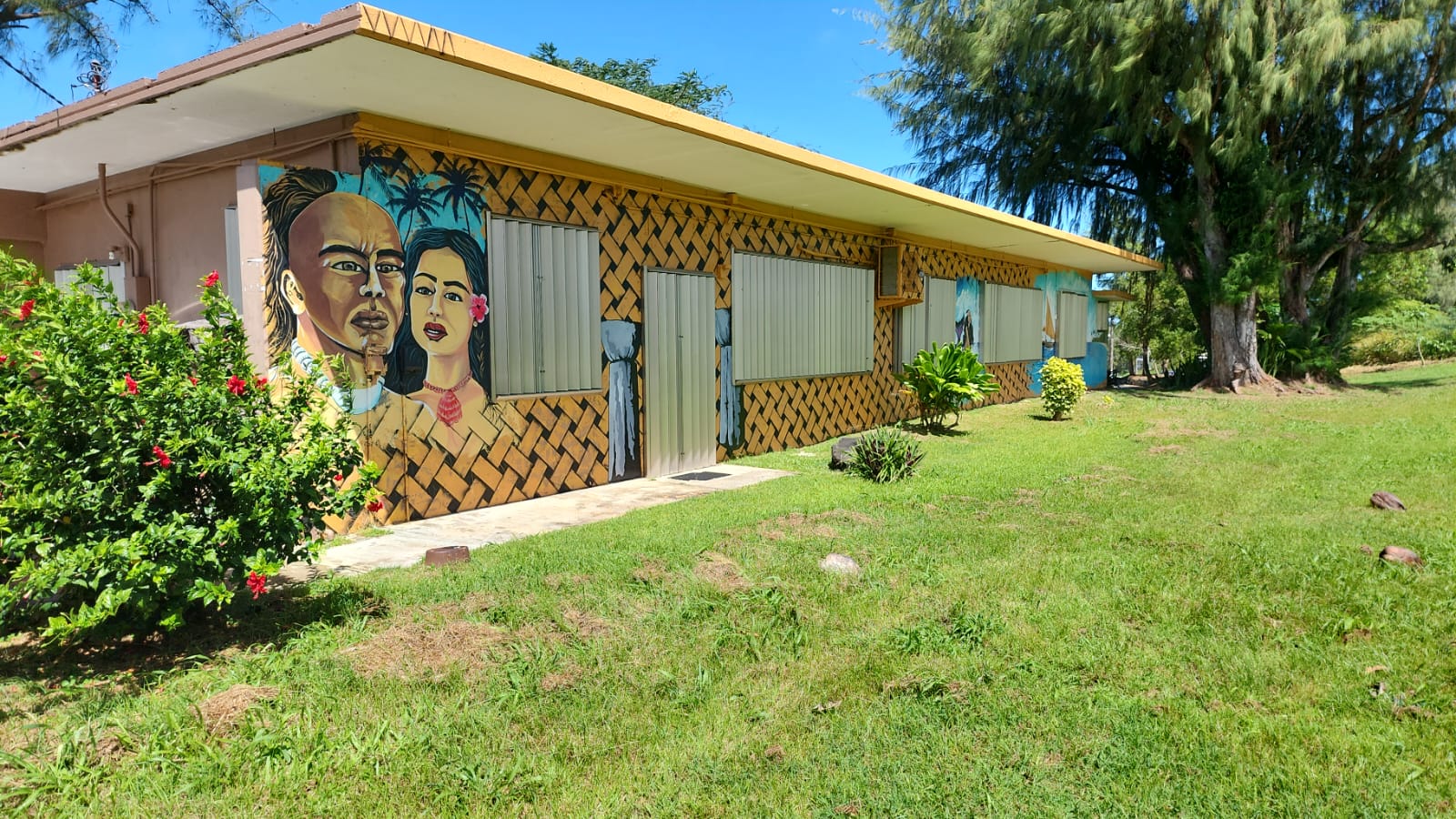
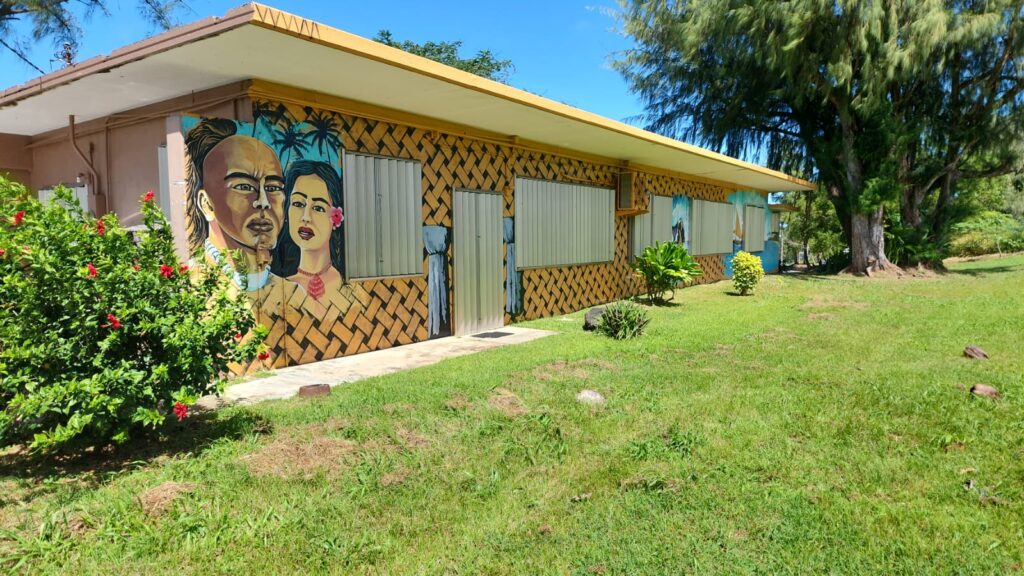
The Indigenous Affairs Office, seen in this photo taken on Monday, Feb. 6, 2023, has been closed since Jan. 6, 2023.