





GOVERNOR Ralph DLG Torres is urging the Senate to amend the Fiscal Year 2023 budget bill passed by the House of Representatives “in order to prevent the potential detrimental ramifications that the House’s budget version may have on the government’s critical functions.”
He said these include public safety, healthcare, vocational rehabilitation services, and community and cultural programs.
Torres on Friday expressed his disappointment with the House version of the bill which he says would “cut critical government resources from essential governmental agencies and departments in favor of giving themselves an additional $1.2 million for House allocations.”
“That is the very first thing they did,” he added, “then they reduced funding for the Carolinian Affairs Office by $94,000, they reduced the Indigenous Affairs Office by $89,000, and Veterans Affairs. After advocating to protect our veterans and thanking them and their families for their service, they took away $165,000. They also took off $79,000 from the Women’s Affairs Office and a much needed $103,000 from the Office of Vocational Rehabilitation.”
He said despite the House majority “conveying concern about the Department of Corrections’ lack of funding and manpower due to the pandemic and natural disasters, they subsequently decided to cut 56 of [the department’s] critical Full Time Equivalent [employees] or the maximum number of persons that may be employed” by Corrections.
“We’ve been advocating for our students as our next generation, and yet the House majority decided to cut an FTE from the CNMI Scholarship Office and $151,000,” the governor added. “They further reduced 26 employees for the Department of Fire and Emergency Medical Services. They talk about accountability, transparency, and helping the community, and yet they cut $973,000 from CHCC.”
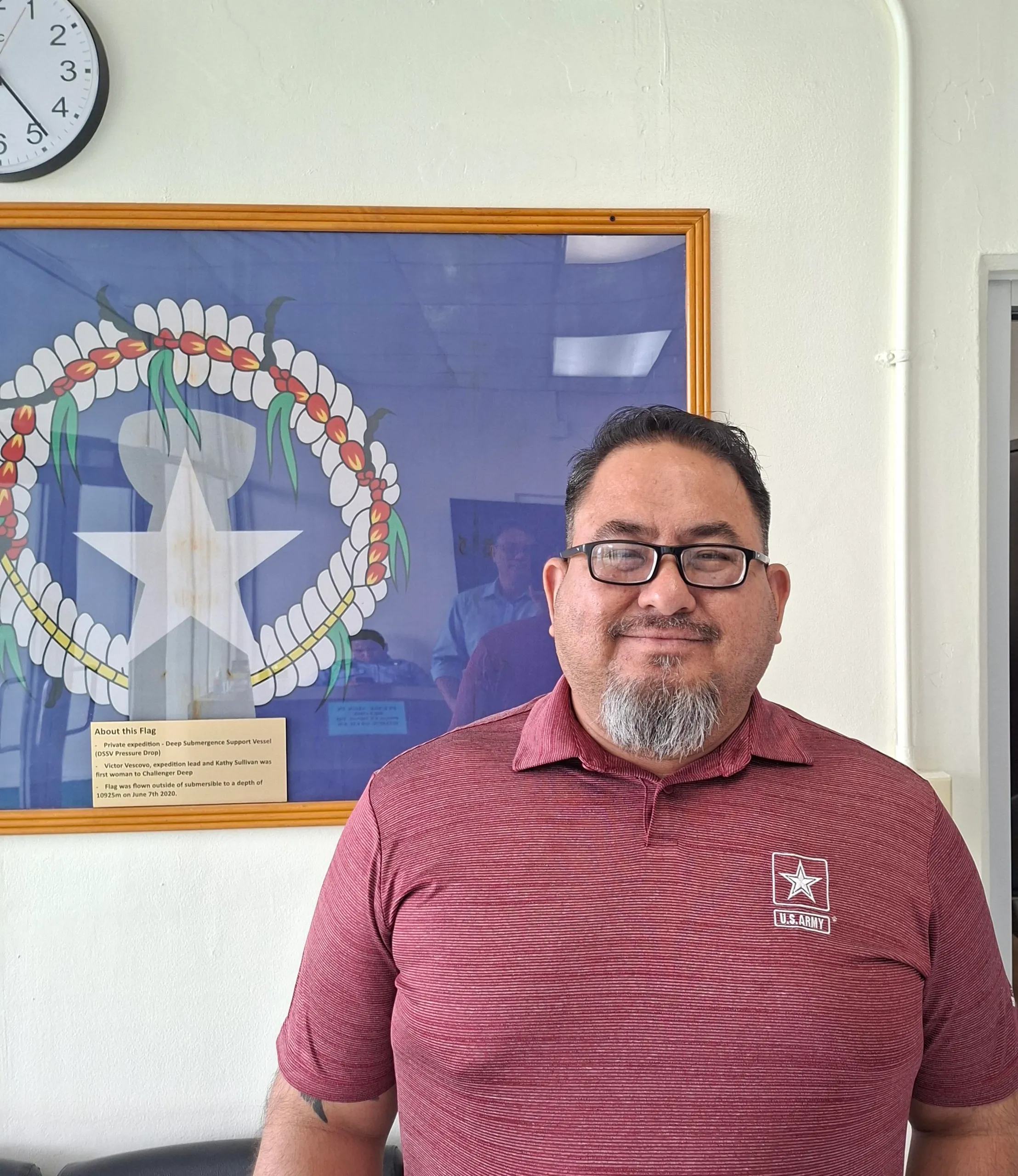
CNMI Office of the Governor legal counsel Gilbert J. Birnbrich on Friday said, “There are issues with the House budget, and a couple of the issues revolve around the American Rescue Plan Act, Commonwealth Workers Funds, and other parts. The biggest issue from a legal standpoint regarding ARPA is the fact that the House was trying to appropriate these funds for various uses, which is simply inappropriate and illegal.”
He added, “Because these are federal funds, and therefore, are heavily regulated for specific purposes, they are regulated by the federal government regarding how it should be spent and used, and as such, they are ‘custodial funds.’ Because of that, they cannot be treated like general fund money. The Governor, under ARPA, has the authority to spend it, not the Legislature, and he has a very well-thought-out plan which the House of Representatives ignored. So, we believe that their appropriation of the ARPA funds is unlawful.”
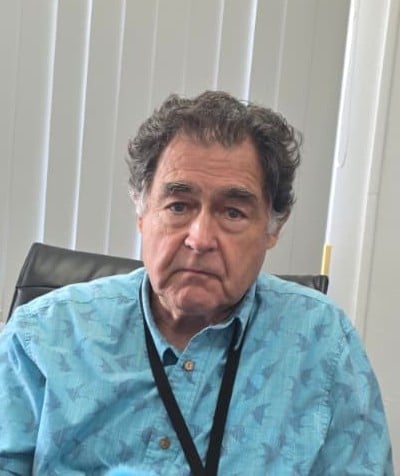
For his part, Secretary of Finance David DLG Atalig said, “The House version of the budget has the biggest red flags across the board. The Governor’s proposal was to pay 80% of government employee salaries with the other 20% to be covered by ARPA. However, the House reversed this proposal by appropriating only 20% of government employee salaries from the general fund, and the remaining 80% from outside sources.”
He added, “Their assumption is that ARPA can fund the 80% remaining for government employee salaries, and that’s unallowable. We have limits in the provisions in government with regard to ARPA funding, and do not have the available resources in ARPA to cover 80% of personnel for the whole government.”
Atalig said the “other point is that they took $20 million that is supposed to be reimbursed back to ARPA from Medicaid, and decided to use that $20 million for appropriations to different agencies — which is not allowable.”
House Committee on Ways and Means Vice Chair Corina L. Magofna, for her part, urged the governor and Secretary Atalig to meet with the committee to get a clarification on any of the items that they may have questions or concerns about.
Magofna noted that their bill is based on an accumulation of requested reports from the beginning of this year.
These reports were asked during a committee meeting with Secretary Atalig, as well as during a budget hearing months ago, she added.
“The misinformation needs to stop. It only hurts our people and it creates a division,” Magofna said.
Asked for comment, House Speaker Edmund S. Villagomez said that he will provide a response at a later date.
The FY 2023 budget bill is now with the Senate Committee on Fiscal Affairs.
The administration and the governor have until October 1 to enact a new budget bill into law or risk a partial government shutdown in a general election year.

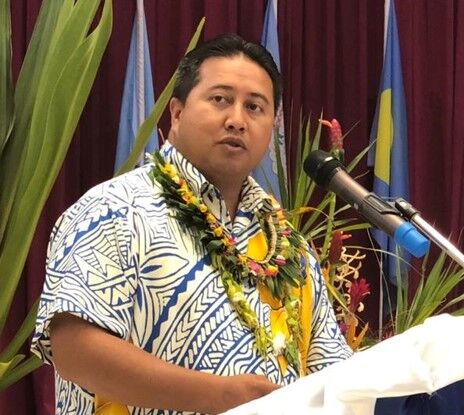
Ralph DLG Torres
