







HAGÅTÑA (The Guam Daily Post) — Living paycheck to paycheck as a result of the increased cost of living is the norm for residents The Guam Daily Post spoke with Thursday. For some, dual income is not enough.
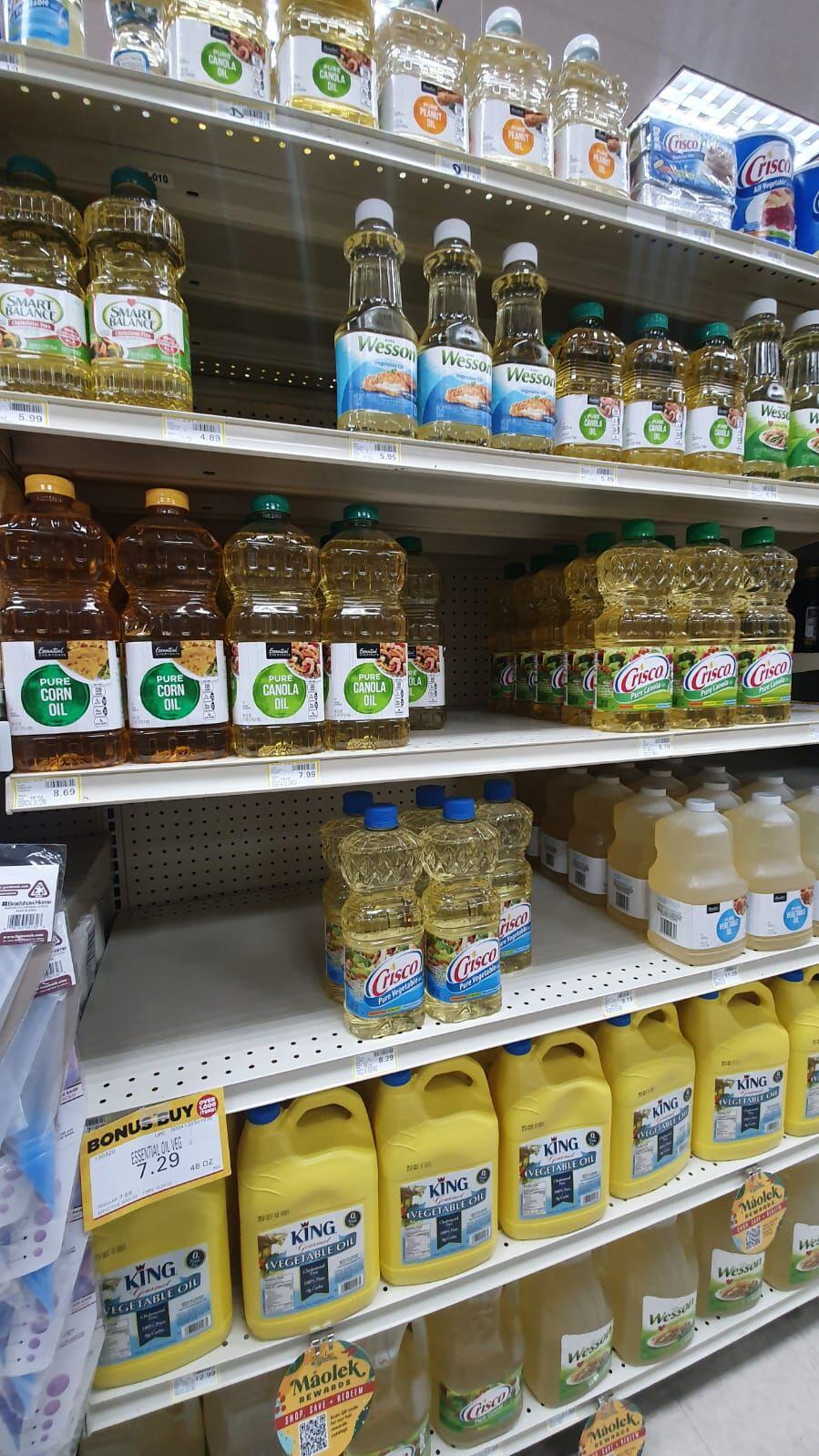
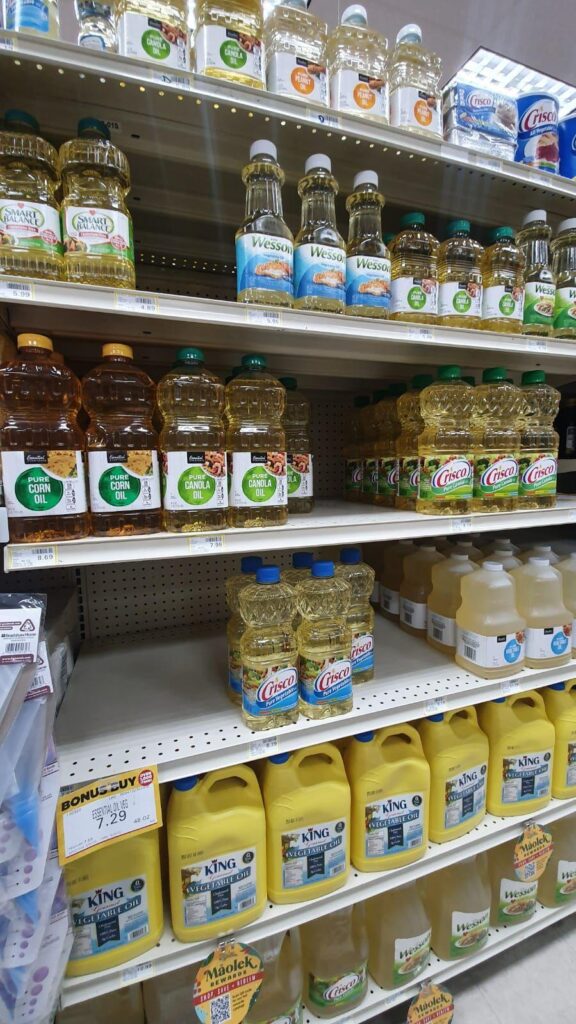
Grocery items are seen at Oka Pay-Less Supermarket in Tamuning. The price of cooking oil and similar items went up by 48.8%, while the cost of beef went up by 31.4% and fish and seafood by 24%, in the first quarter of 2022 compared to a year ago, according to the latest consumer price index issued by the Guam Bureau of Statistics and Plans.
Just this week the price rose another 15 cents to $6.48 for a gallon of unleaded gas. It’s the highest the island has ever seen. Some food items are now 24% to nearly 49% more expensive than they were just a year ago. Rent and lodging prices increased 18.6% over the last quarter of 2022. Compared to a year ago, rent is now 15.9% higher.
The cost of power also is higher than last year, according to the Consumer Price Index second quarter 2022 report issued by the Guam Bureau of Statistics and Plans. Electricity has gone up by 50.1% more than it was a year ago.
“I’ve been saving, and my son just started a new job. It’s hard, it’s difficult but we just try to do what we can,” said Yona resident Bert Topasna.
Even with a full-time job, Topasna makes only enough for his family to live paycheck to paycheck.
“Still paycheck to paycheck, it’s hard,” said Topasna, who noted he would need to get a second job to stop living that way.
“But that’s almost impossible because no time, I work full-time already,” Topasna said.
Topasna said his son just landed a job to help contribute to the family’s combined income, in response to the island’s rising cost of living.
He is hopeful that more federal aid programs like the stimulus and the Prugraman Salappe become available to island residents, but he isn’t counting on it.
“That would be nice, but it’s just a pipe dream. I don’t know what the government can do because the cost of living went up because of the war with Ukraine and Covid-19,” Topasna said.
‘This makes no sense’
One senator hoping to help with the rising cost of gas introduced Bill 320-36, The Guahan Fuel Price Control Act of 2022 on Thursday.
The bill would place a 20% cap on the profits that big oil and gas companies can make on Guam.
Democrat Sen. Clynt Ridgell asserted that these companies made record-breaking profits in 2021 and the first quarter of 2022.
In a press release, he cited the liberal Center for American Progress, which reported that Shell’s first quarter profit for 2022 is $9.1 billion, or a 280% increase over the first quarter of 2021. ExxonMobil saw $8.8 billion in profits, which is 320% higher than the company’s profits in the first quarter of 2021. ConocoPhillips made $4.3 billion in 2022 first quarter profits, which is a whopping 480% increase over first quarter profits in 2021.
Ridgell, who announced he will not be seeking re-election, likened the situation to profiteering.
“While they are making such massive profits, these oil and gasoline companies are now asking for tax breaks. This makes no sense. All it does is put more dollars in the pockets of ‘Big Oil’ and less dollars in the pockets of the people,” Ridgell said.
Households with dual incomes share similar struggles. Yona resident Jeannie Besabe also works full-time, so her household has two incomes, but it’s not enough to combat the rise in the cost of living on island.
Besabe now pays roughly $1,000 a month for power and, while her family hasn’t increased consumption, she saw the bill continue to rise as a result of increased rates.
“I live paycheck to paycheck. I try to conserve on what I need, like turning off the lights, using what we need, the gas, just go where it’s mandatory to go and not just gallivant or keep the car running. We cut down on a lot of things,” Besabe said.
The Besabe family members now plan their monthly food budget to try to stretch their paychecks.
“The food I try to do a monthly plan on what I am going to eat or cook and, when my paycheck comes, I make a plan of what I am going to buy. It’s budgeting,” she said.
To further reduce food expenses, the Besabe family has turned to home gardening and farming as the cost of food, such as egg products, has increased by 36.1% over the preceding quarter and 54.1% when compared to one year ago.
“We’re fortunate that we have chickens and, so, we have our own eggs in our backyard. We do farming on our own — just small like green onions. But, again food is so expensive because the meat prices is really high, so I try to do my best in making a plan for the month. It’s difficult, but we manage,” Besabe said.
