





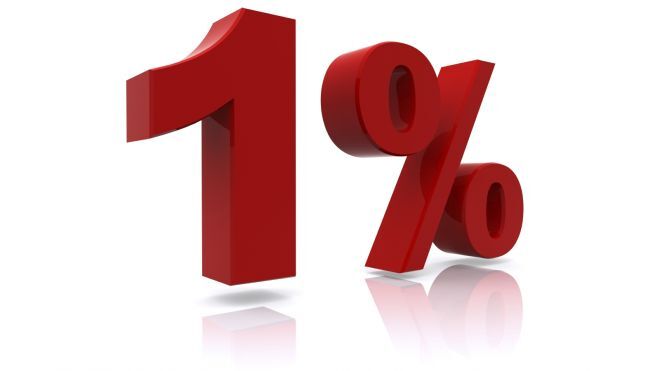
THE 1% fee that the CNMI government’s executive branch, some autonomous agencies and public corporations are required to pay the Office of Public Auditor “will be ultimately passed on to the people,” Commonwealth Ports Authority Chair Kimberlyn King-Hinds said.
In an interview on Thursday, King-Hinds said it is true that the Federal Aviation Administration has not definitively stated that paying OPA constitutes revenue diversion, but that’s because CPA has not been paying the 1% fee.
“There can be no final determination when you have not actually violated the requirements. A clear answer is sought, but the issue depends on the facts and that will ultimately depend on how those funds are used,” King-Hinds said.
Public Auditor Kina Peter reiterated during a meeting Monday with the House Ways and Means Committee her strong opposition to Speaker Edmund Villagomez’ House Bill 22-102, which proposes to exempt CPA and Commonwealth Utilities Corp. from the 1% public auditor’s fee. The bill states the exemption would ease the financial burden on autonomous agencies and public corporations.
CPA board member Pete P. Reyes testified in support of the measure, citing the letter of FAA Airport District Office Manager Gordon K. Wong who told CPA that “the 1% fee may be considered revenue diversion.”
In his May 16, 2022 letter to CPA Executive Director Christopher Tenorio, Wong said, “Airport revenue must be used for the operations, maintenance and capital improvements of CPA’s airports.”
“Revenue diversion could lead to placing CPA in non-compliance and lead to sanctions as prescribed by 2 CFR § 200.505. CPA may pay for required services (e.g. audit reviews), but the cost for services must be appropriately calculated and documented for costs only related to CPA,” Wong told Tenorio.
During the Ways and Means Committee meeting on Monday, Rep. Tina Sablan said that according to FAA Western Pacific Region compliance program manager Victor Globa, the FAA could not provide final determination on whether or not the 1% fee is revenue diversion.
Financial burden
King-Hinds noted that the Northern Marianas Housing Corp., the Public School System and the Legislature are exempted by statute from paying the OPA fee.
“Who, then, is paying for the services and regulatory oversight that OPA is mandated by law to provide to all government agencies? Theoretically, those costs are passed on to paying agencies which makes developing a cost allocation plan tricky especially when you’re talking about CPA because we can’t be paying for services provided to other agencies,” the CPA chair said.
CPA depends on the revenue it generates to fund operations, personnel, maintenance and improvements at the ports, she added.
“Any additional costs is passed on to either our tenants or the traveling public. Times are rough and we are doing our best to be self-sustainable,” she said.
The 1% fee may not seem like a lot, “but when you’re struggling to make ends meet and our people, especially the people of Rota, who are crying for reprieve over certain CPA fees, any increase however small makes life that much more difficult.”
King-Hinds added, “Everyone keeps saying that this is about paying the cost of doing business. CPA doesn’t get any money from the Legislature. And if you’re going to insist that we pay that fee, that fee will be ultimately passed on to the people. If that’s the policy decision, we respect that. However, please don’t get mad when we raise fees because that’s just the cost of doing business.”
She said if the Legislature insists on a “sunset provision” for the 1% fee, CPA and the CNMI government will be back to square one when the law expires and “we would have to go through the same exercise — but that’s entirely the prerogative of the Legislature, although in my opinion it would be a waste of time and resources.”

