

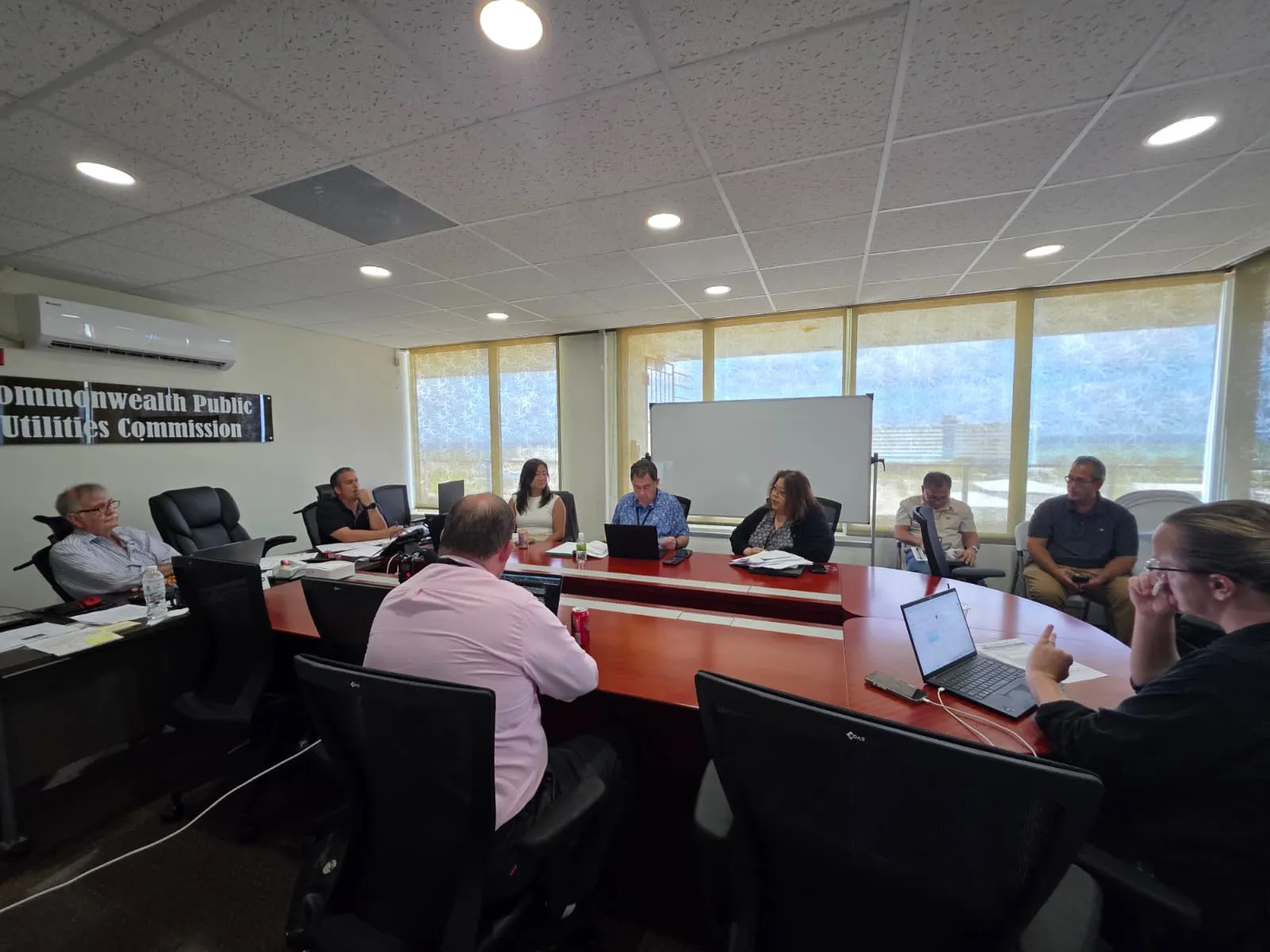


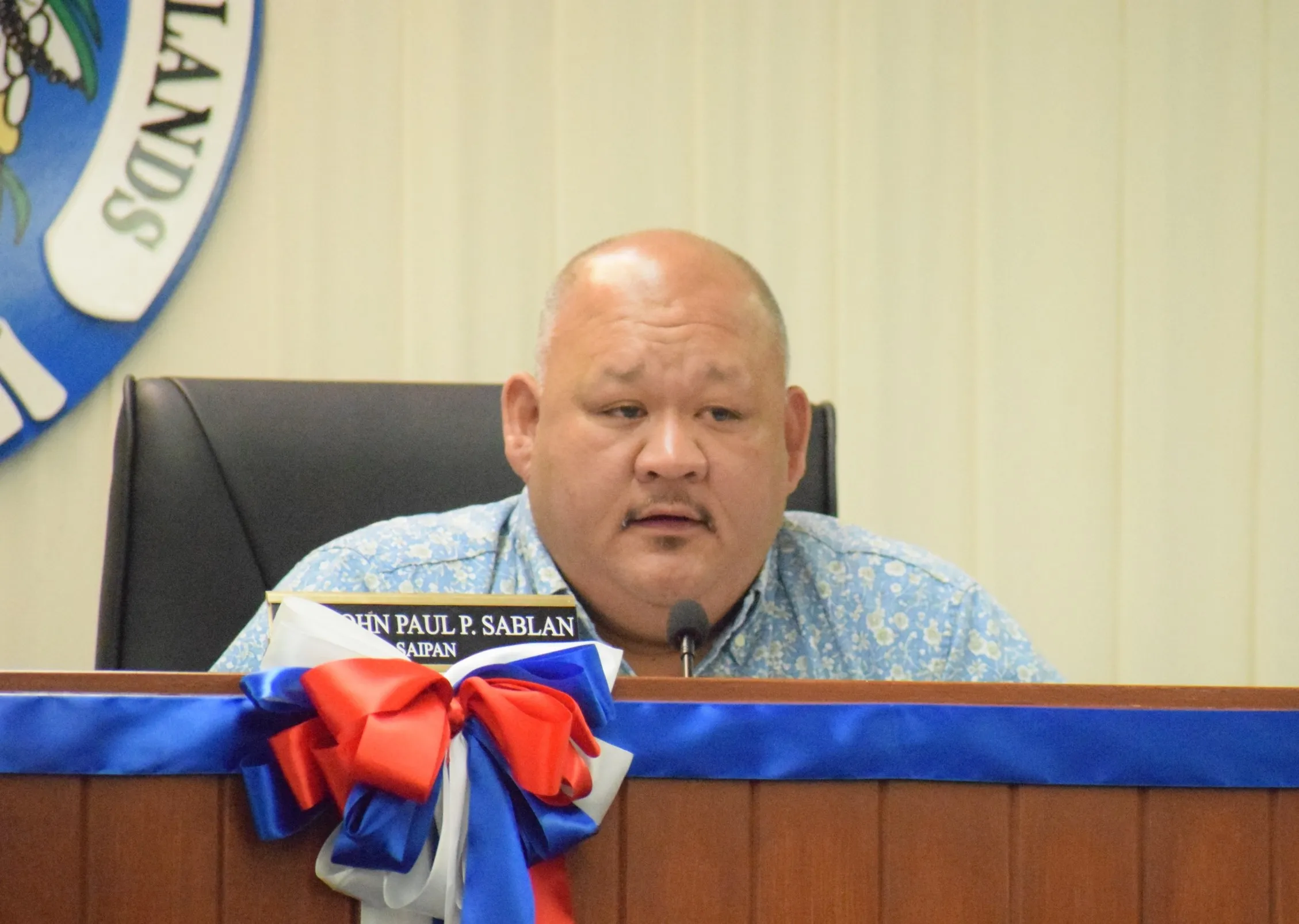


Board member John Robertson said at their general membership meeting at the Hyatt Regency Guam in Tumon that the amendments sponsored by Hawaii Congressman Neil Abercrombie worry many local construction companies, which feel that Guam’s economy will be negatively impacted if the bill becomes law.
Abercrombie inserted two amendments into the defense budget bill that limit the amount of work guest laborers could perform on military realignment projects while at the same time mandating local labor wages be increased to comparable levels in his home state of Hawaii.
The budget bill easily passed through the House of Representatives earlier this month.
Guam congressional delegate Madeleine Bordallo also successfully inserted her own amendment which would finally allow for war claim payments to Guam survivors of the Japanese occupation during the Second World War – a process that has faced numerous obstacles in the past.
Robertson who is the AmOrient contracting president, told group members that many industries on Guam will be affected if the law is passed, even though they are not directly involved with buildup projects.
“The hospitality industry will end up losing valuable employees to construction projects,” said Robertson. “A hotel shuttle driver can find work driving larger trucks for construction companies that will pay triple or even quadruple their current wage.”
Members of the Committee to Get Guam Working, which consists of representatives from GCA, the Guam Chamber of Commerce, the Chinese Chamber of Commerce and the Guam Hotel and Restaurant Association, have been watching the bill closely, and have worked together to identify ways to influence U.S. senators in their favor.
In June, a delegation of Guam business leaders went to Washington to lobby lawmakers to remove the Abercrombie amendments. Robertson suggested that either a second delegation be sent out to the nation’s capital for further petitioning of senators. He also suggested concerned business leaders might collectively hire a lobbyist to push their agenda in D.C.
However, both scenarios come with a costly price tag as the committee will have to pay for representatives to fly to Washington which entails hotel costs and associated expenses; while the hiring a lobbyist could cost upwards of $75,000 in fees.
Robertson said that a decision will be made on a plan of action after teleconferencing with U.S. senators this Friday.
He added that making sure the bill does not become law is at the top of the committee’s priority list.
“We have to influence the decision any way we can,” said Robertson. “People feel so strongly about this, and we have to win.”
Abercrombie, who announced this week his plan to run for governor in Hawaii, stands by his controversial amendments.
The Hawaii representative declared in response to a Washington Post column critical of his amendments that there is, “no way we’re going to have an elite making a ton of money and a wage slave class out in Guam, no more second class citizenship for workers in Guam.”
The U.S. Senate this week is discussing its own version of the defense spending legislation. The two bills must be reconciled before a final version is sent to President Obama.
