


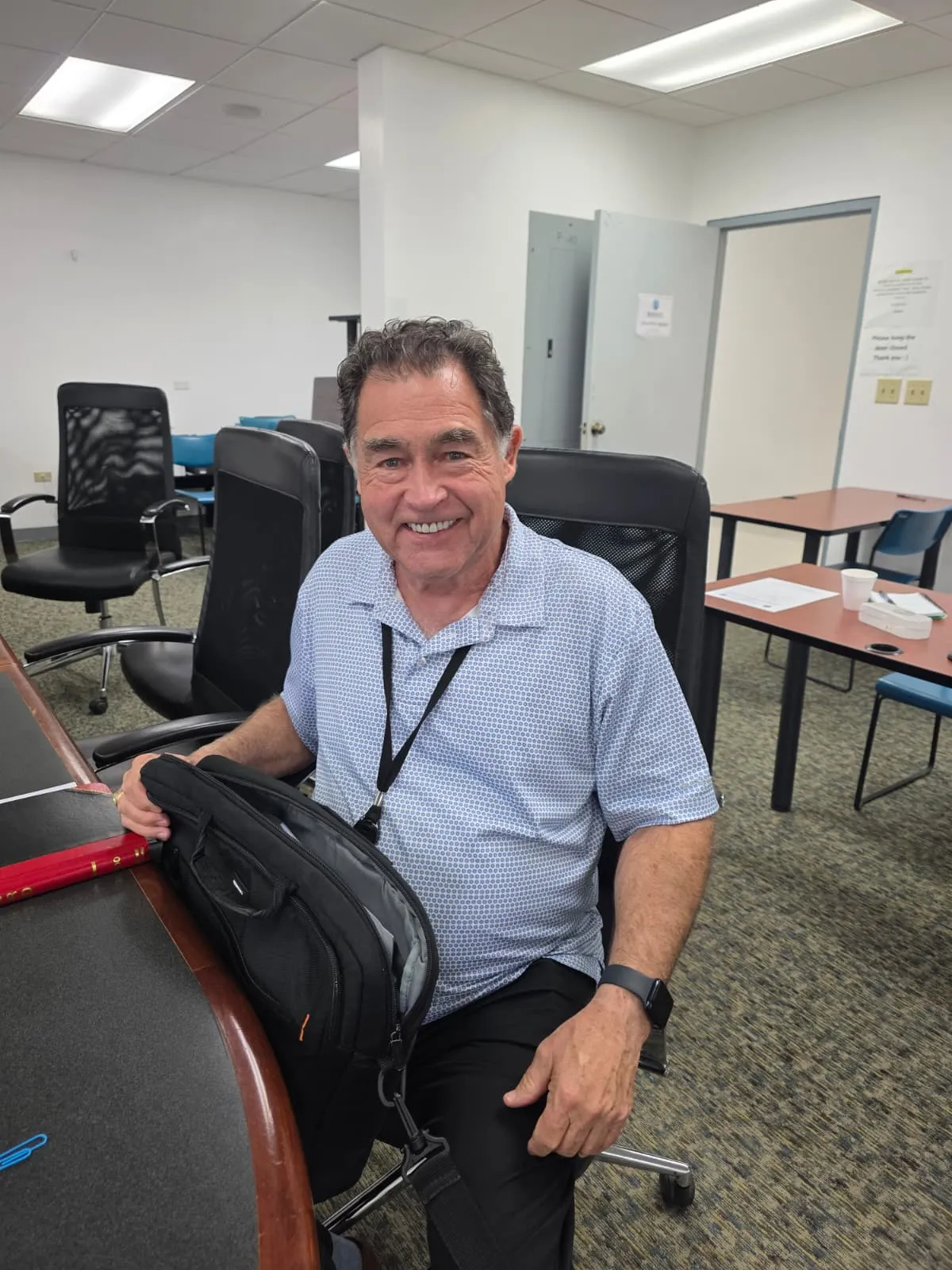


Disability Policy and Programs special assistant Thomas J. Camacho yesterday said that an emergency preparedness plan especially in rescuing persons with special needs and disabilities is necessary especially for first responders.
“These are certain issues that need to be addressed because what happens is persons with disabilities and special needs do not know where to get help or how to get in touch with first responders when emergencies arise,” Camacho said.
He said that people who are suffering from diabetes and are on medication, people with mental illnesses, with mobility impairment and other disabilities belong to this special group who needs special attention.
Camacho said that a 2001 survey showed that 58 percent of people with disabilities did not know whom to contact about emergency plans in their community. The figure dipped to 53 percent in a 2003 survey. He said the two surveys also showed that 61 percent of people with disabilities have not made plans to quickly and safely evaluate their homes in case of emergency.
Camacho said that there is a need to amend the existing CNMI Emergency Management Plan which was established in 2000 yet because it does not include planning for people with disabilities.
He said the existing plan does not address issues that have the greatest impact on persons with disabilities. Camacho was one of the facilitators of the 12-hour workshop on Emergency Planning for Special Needs Communities at the World Resort Saipan which ended yesterday noon. 42 representatives from different government sectors and schools finished the workshop.
William Klein, a presenter from the West Virginia University said this is the first time they have conducted the workshop here.
“In the CNMI, transportation issue tops the needs of people with disabilities if emergencies arise,” Klein said.
He added that this would have a rippling effect on other needs and issues like notification, evacuation, sheltering, access to medical care and medications, access to their mobility devices or service animals while in transit or at shelters, and access to information.
Another four-hour course on Emergency Preparedness will be held this morning with representatives from the Public School System.
Klein said the second batch will be for the school administrators, teachers, principals and focused on emergency preparedness for school campuses.
Klein said they will be conducting separate workshops on Rota and Guam.
With Klein was Kristen Rogers, Course Coordinator for the Homeland Security Programs of WVU.
Lead agencies in the workshop were the Office of Homeland Security under director Patrick P. Tenerio and the Emergency Management Office under its acting vice chairman Jack Omar.
