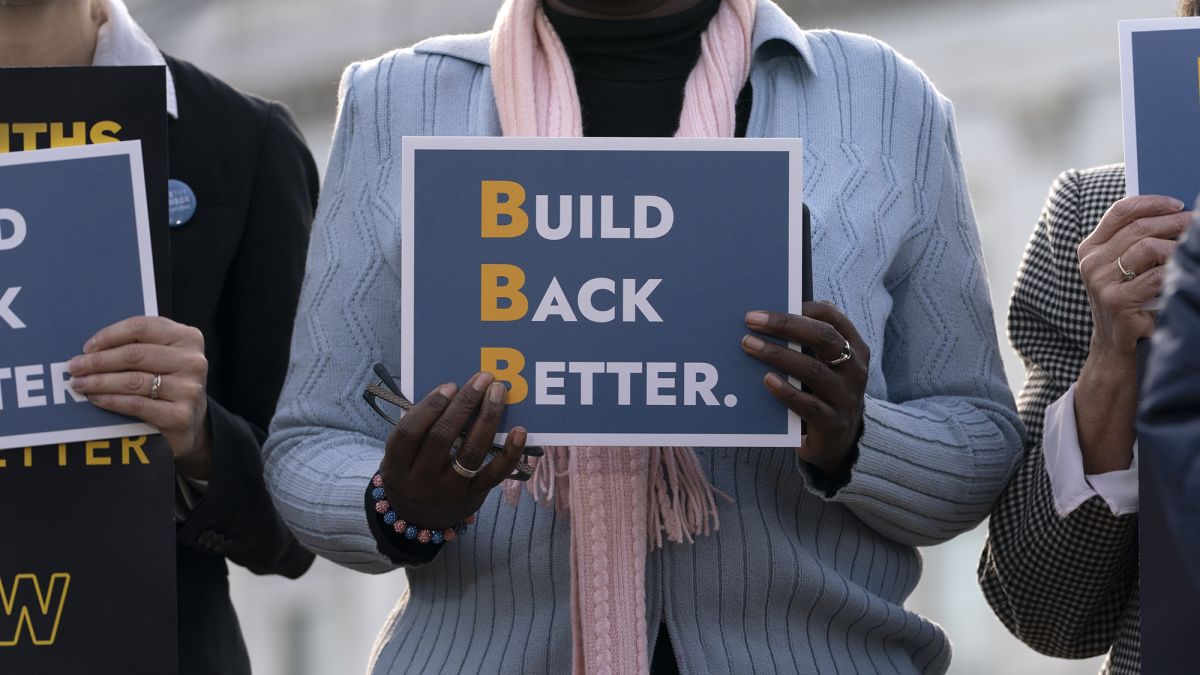



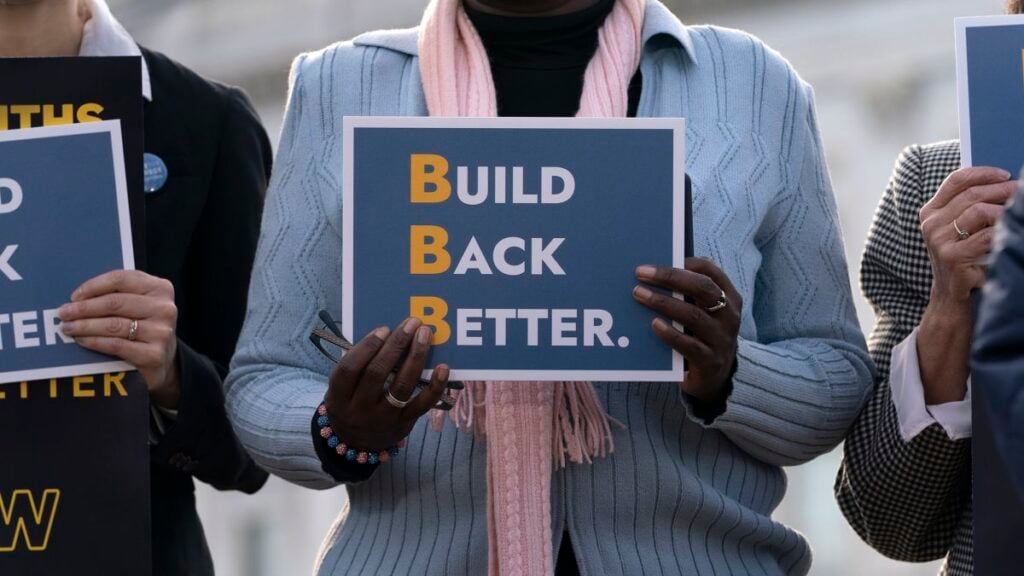
REGARDING President Joe Biden’s proposed Build Back Better Plan, Gov. Ralph DLG Torres on Friday said the CNMI would have received $24 million if it became law.
These funds would be spread over five years, with the CNMI receiving $4.6 million every year for five years beginning this year.
Under the bill, the U.S. Department of Transportation allocated $1.14 billion to insular areas.
“Any additional revenue is good for the CNMI,” Governor Torres said.
The Build Back Better Bill was passed by the U.S. House of Representatives in Nov. 2021, but remains pending in the U.S. Senate. Last month Democrat Sen. Joe Manchin of West Virginia said the bill was “dead,” and that inflation, Covid-19 and the Russo-Ukrainian crisis were the more important priorities.
Quoting administration officials, Reuters on Tuesday reported that President Biden would shift emphasis away from his Build Back Better spending plan when he delivers his State of the Union address on Tuesday, focusing instead on a four-point plan to save the U.S. economy,
In a separate interview, Secretary of Finance David DLG Atalig said while he was in Washington D.C. earlier this year to represent the CNMI in federal discussions pertaining to the insular areas, he had also paid a visit to the USDOT.
“I had meetings with the Department of Transportation to try to assist us with bringing in more air services as well as getting an update on the maritime highway. Like our local land highways, there are also maritime highways, meaning routes that ships use to go to and from destinations. We wanted to designate a federal maritime highway for the CNMI so that we can avail ourselves of funding to subsidize shipping. The goal in the administration is to subsidize shipments and bring in goods cheaper, and especially help out Rota and Tinian with their high shipping costs,” Atalig said.
“We had a great meeting with the U.S. Department of Transportation,” he added.