






FATHER Eric Forbes of Guam will present on “The Saipan Interpreters” Friday, Jan. 22, as part of the Pacific Historic Parks “History Talks” series.

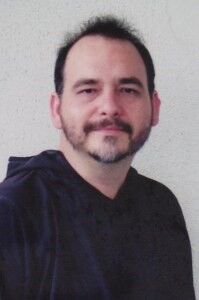
Father Eric Forbes
He will talk about the story of Chamorros who served as interpreters during the Japanese occupation of Guam from December 1941 to July 1944.
Hailing from Saipan and Rota, the group of 50 or so interpreters facilitated communication between the Guam Chamorros who could not speak Japanese and the Japanese who could not speak Chamorro.
At the time, the Northern Marianas was under Japanese administration while Guam had been an American possession since 1898.
According to Pacific Historic Parks, the “participation of the Saipan and Rota interpreters during the Japanese occupation imparted a deep wound within many Guam Chamorros, a wound that was credited for the failure of Marianas reintegration in the 1960s.”
Forbes will discuss whether the “popular indictment” of the interpreters was justified, and what can be learned from the experience.
Moreover, he will talk about the experience of the interpreters themselves and what historical records show about their activities during the Japanese occupation of Guam.
The presentation will begin at 9 a.m. Chamorro Standard Time via Zoom.
To register, go to https://bit.ly/PHP_HTSregister_EricForbes
Father Eric Forbes is a Franciscan priest who received his bachelor of arts degree from San Francisco State University and his masters of divinity from the Graduate Theological Union in Berkeley, California.
He was ordained a priest in 1990 and has served in numerous Guam and Saipan parishes.
Passionate about the Chamorro language, history, and culture, Forbes’ work has been included in various publications.
He has given a number of presentations based on his experiential knowledge of the Chamorro community from years of interviewing Chamorro elders, studying academic archives across the globe, and ministering to the Chamorro community on the West Coast of the U.S. mainland.
Father Eric Forbes was born and raised on Guam.
Funding for this talk was made possible through Humanities Guahan, the National Endowment for the Humanities, and the federal Coronavirus Aid, Relief, and Economic Security Act.
