






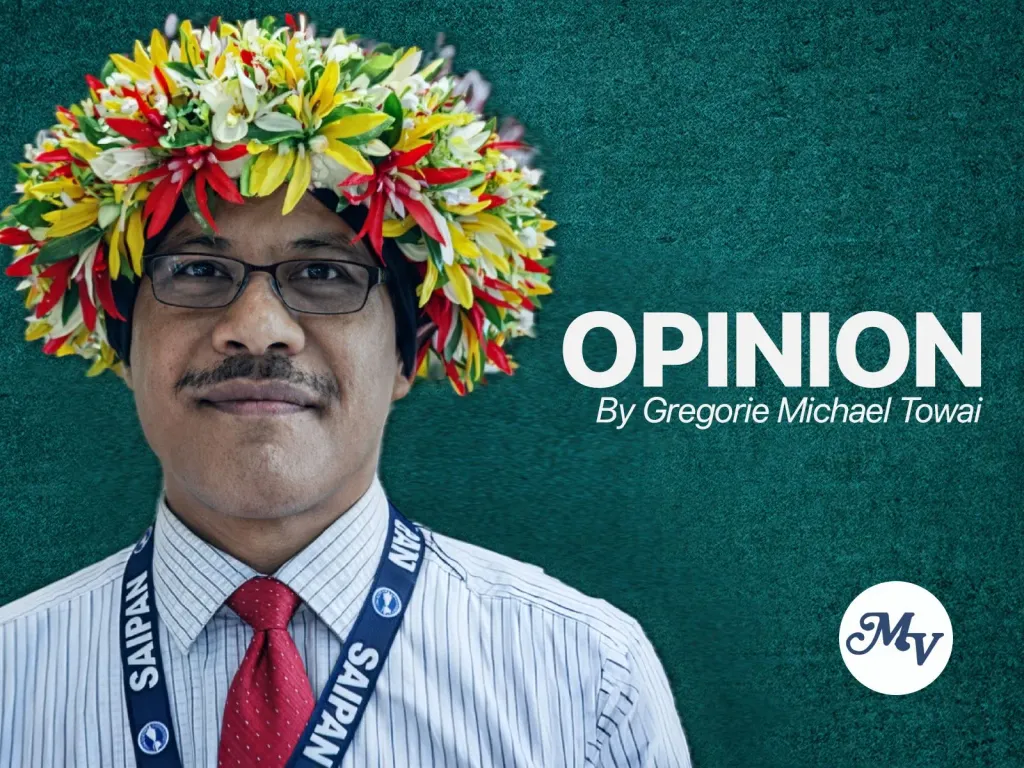
By Gregorie Michael Towai
For Variety
ELECTION season has a way of revealing more than campaign promises. It reveals character, conviction, and sometimes the absence of both.
As alliances shift, candidates change party affiliations, invitations to join political tickets are accepted by some and declined by others, while still others quietly step away altogether. To many voters, these movements can seem confusing or even strategic. Yet beneath the headlines lies a question far more important than who stands beside whom on a campaign banner.
Who are these individuals when the campaign is over?
In his recent editorial, “Politics and the Persistence of Waste,” Zaldy Dandan reflects on the enduring tendency of people to place extraordinary faith in government, even when history repeatedly demonstrates its limitations. Drawing upon the writings of Herbert Spencer and examples of waste and inefficiency throughout history, he reminds readers that government is ultimately a human institution, carrying with it the same imperfections, misjudgments, and shortcomings found in the society it serves. His message is not simply about waste, but about resisting the temptation to believe that politics alone can transform society.
That observation deserves careful reflection as the Commonwealth enters another election season.
Political parties have always served a purpose. They provide a platform, organize ideas, and unite people around common goals. But a party is only as principled as the people who represent it. A change in party registration does not automatically signal growth, nor does remaining loyal to one party necessarily reflect unwavering integrity. Sometimes people genuinely evolve. Sometimes circumstances change. Sometimes political calculations outweigh political convictions. It is the responsibility of voters to distinguish one from the other.
The Commonwealth now finds itself in a season of political reflection. Familiar names are returning. New alliances are being forged. Others are changing parties, declining invitations, or stepping away altogether. These developments should not excite or alarm voters nearly as much as they should invite careful examination.
Campaigns have an uncanny ability to reshape public perception. A new slogan, a different political banner, a carefully crafted message, or a fresh coalition can create the impression of renewal. But appearances are never a substitute for history. Elections should not be decided by who tells the most compelling story about the future while hoping the public forgets the lessons of the past.
Too often we evaluate candidates based on endorsements, personalities, family ties, slogans, or the excitement generated by a campaign. Yet campaigns are carefully constructed moments in time. Governance is measured over years.
The better questions are harder to ask.
How did this individual lead when entrusted with responsibility? How were public resources managed? Did transparency increase or diminish? Were promises fulfilled or quietly forgotten? Did the candidate accept responsibility when mistakes occurred, or was accountability always someone else’s burden? Did decisions strengthen public trust, or weaken it?
These questions matter far more than the color of a campaign shirt or the logo displayed on a podium.
Our islands have lived through economic hardship, devastating typhoons, fiscal uncertainty, and difficult policy decisions. Those experiences have given every voter something invaluable: a record. We no longer have to rely solely on promises. We have histories to examine, decisions to evaluate, and leadership styles to compare.
This applies equally to newcomers and to those who have previously held public office. Experience is valuable only when it is accompanied by sound judgment, humility, accountability, and a demonstrated willingness to learn from past mistakes. Likewise, fresh faces should not receive support simply because they are new. Every candidate deserves the same careful scrutiny.
Political redemption is possible. People can grow. Leaders can mature. Perspectives can change. But redemption is never achieved through campaign messaging alone. It is earned through consistent actions, humility, accountability, and a record that reflects genuine transformation. Voters should never mistake political reinvention for personal renewal without evidence that one has truly followed the other.
As campaigns intensify, there will be no shortage of advertisements, endorsements, rallies, and social media debates. Each will attempt to persuade. Yet the most important campaign takes place quietly within every voter, where conscience weighs evidence against emotion and character against charisma.
If government reflects the character of the people who lead it, then elections become more than competitions for office. They become moments of collective self-examination. The quality of our government tomorrow depends largely upon the quality of judgment we exercise today.
Political seasons come and go. Party affiliations rise and fall. Coalitions form and dissolve. Campaign banners eventually come down. But the consequences of leadership remain long after the applause has faded.
Perhaps this election is asking something more of us than simply casting a ballot. Perhaps it is asking us to become more discerning citizens, ones who judge not by party labels, political convenience, or campaign enthusiasm, but by integrity, competence, accountability, humility, and a demonstrated commitment to serving the Commonwealth above oneself.
Only then can we hope to build a government worthy of the trust its people place in it.
(Eipéráng) Gregorie Michael Towai is a native Refaluwasch son of the Commonwealth of the Northern Mariana Islands, an independent researcher, publisher, and community advocate. He writes on issues of good governance, public accountability, Indigenous rights, environmental stewardship, and the future prosperity of the Marianas. Though residing in Oregon, he remains deeply committed to the people, culture, and future of his island home.
