




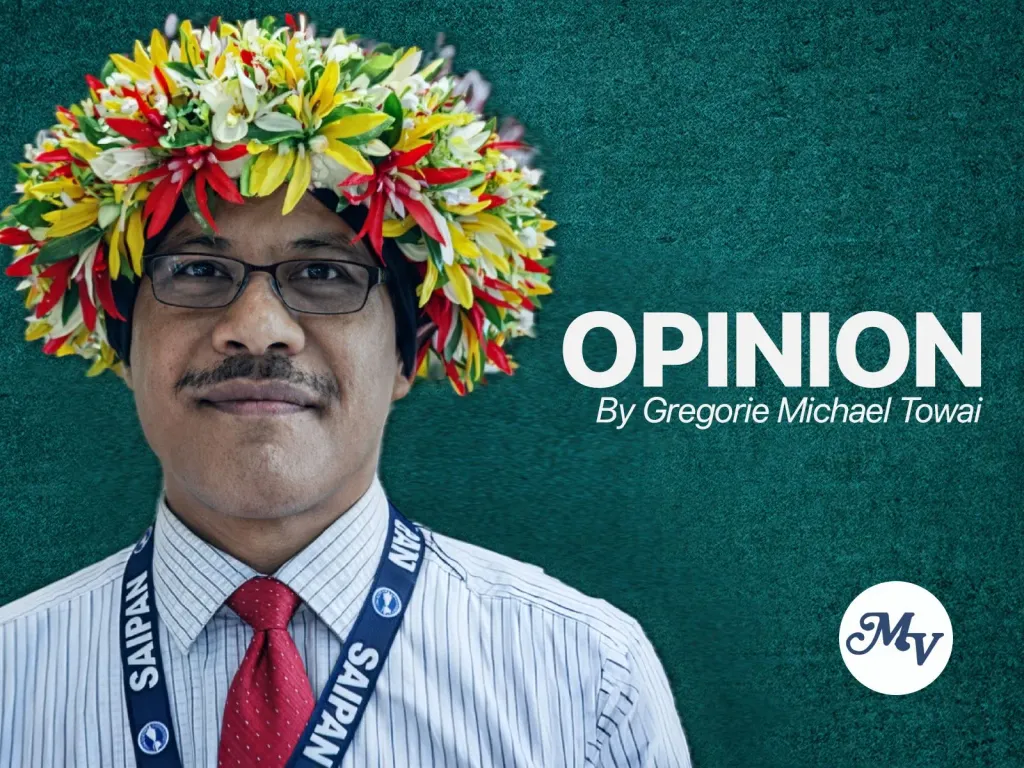
By Gregorie Michael Towai
For Variety
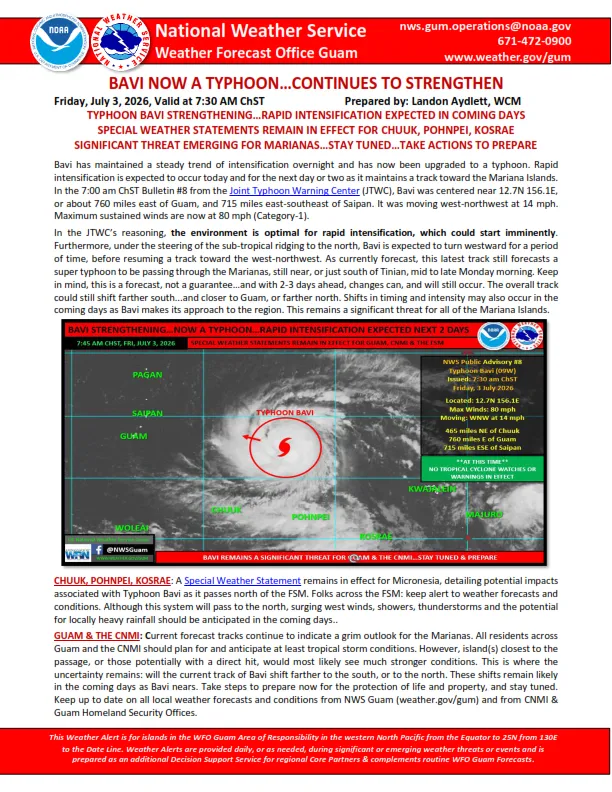
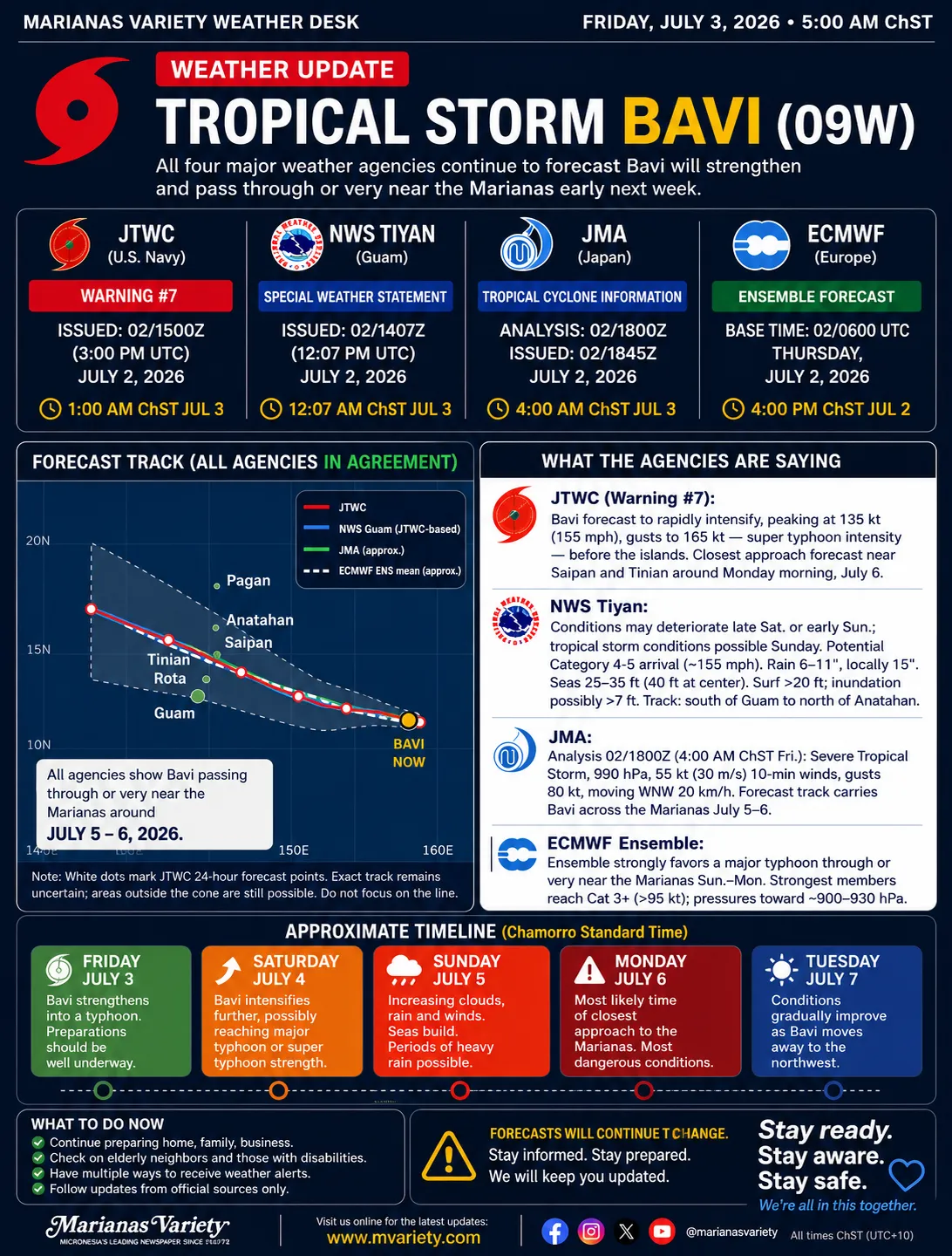
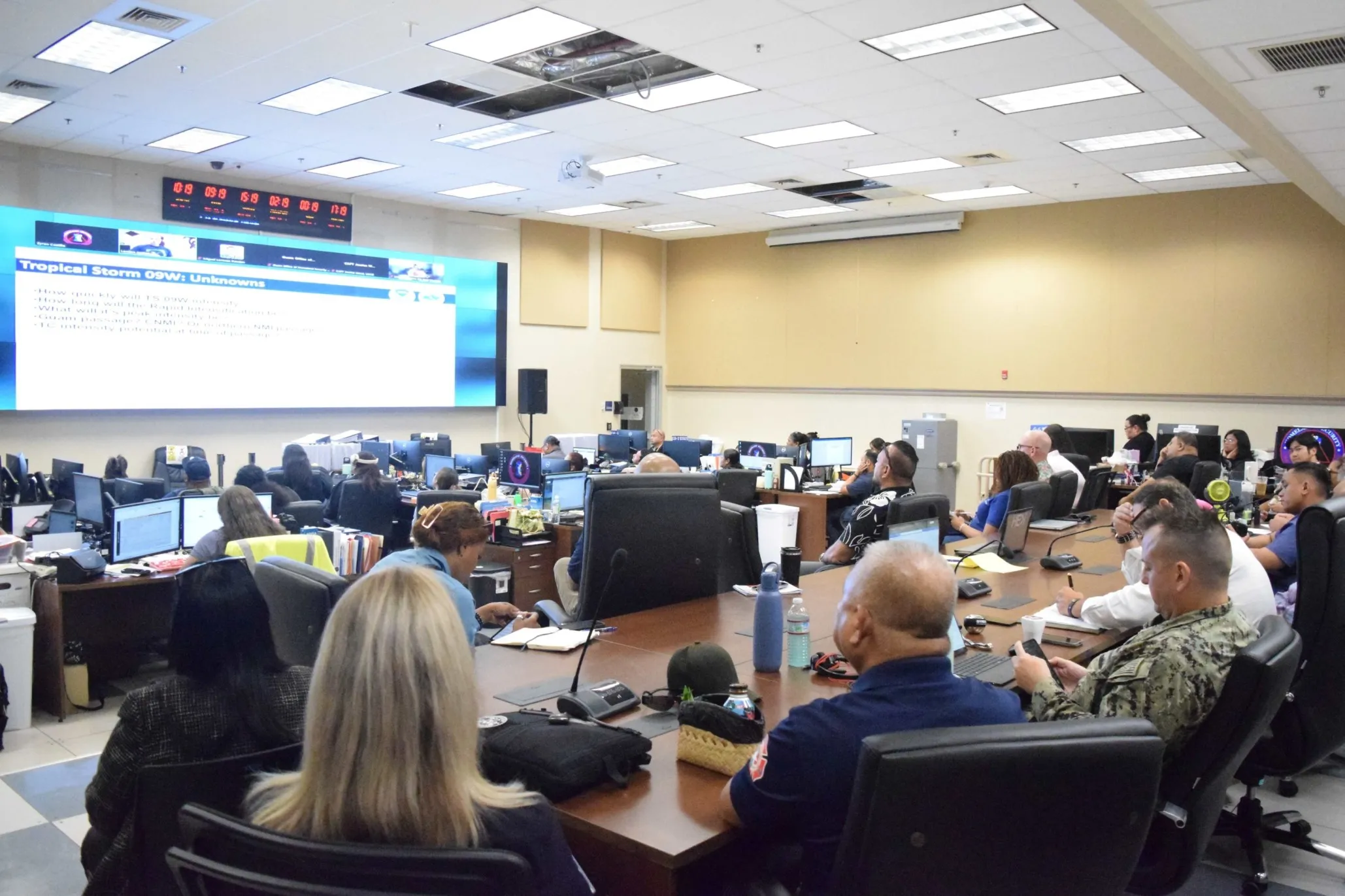
AS another tropical system approaches our islands, many families are once again checking emergency supplies, securing their homes, and preparing for the unknown. It is a sobering reminder that, while many in the Commonwealth are still recovering from the devastation of Super Typhoon Sinlaku, we are already being forced to confront the possibility of another storm. Nature does not wait for us to recover, and neither should our commitment to building a stronger Commonwealth.
Perhaps there is a lesson in that.
Storms have a way of exposing what is truly strong and what was only held together by appearance. They reveal whether our foundations were built on substance or illusion. Elections should serve the same purpose. They should compel us to look beyond campaign slogans, personalities, and political theater and instead examine the character, judgment, and integrity of those asking to lead us.
One of the most encouraging developments this election season is that people are asking more questions. Citizens are taking the time to examine records, revisit past decisions, and look beyond polished campaign messaging. That is not negativity. It is democracy functioning as it should.
Every candidate deserves to have their record scrutinized. Every promise deserves to be measured against past performance. Every endorsement deserves to be viewed through the lens of accountability rather than popularity. No one, regardless of party or position, should be exempt from that standard.
Naturally, much of the public conversation has centered on former Gov. Ralph Torres. His tenure remains one of the most debated periods in our recent political history. Some continue to defend his administration, while others believe it left unresolved questions about governance, fiscal responsibility, and public trust. Wherever one falls on that spectrum, voters have every right to examine that record carefully before deciding whether it deserves another opportunity.
But there is another conversation we should not ignore.
What should we make of good, capable, and respected individuals who willingly choose to join controversial political tickets?
This is not about questioning their motives or dismissing their desire to serve. Many undoubtedly enter public service with sincere intentions. However, good intentions alone are not enough. Leadership is judged not only by what we accomplish, but also by the decisions we make and the company we choose to keep.
The English writer Samuel Johnson captured this truth centuries ago when he wrote, “Almost all absurdity of conduct arises from the imitation of those who we cannot resemble.”
Those words remain remarkably relevant today.
Political co-option rarely begins with bad people doing bad things. More often, it begins when good people slowly compromise their judgment, convincing themselves that they can remain unchanged while lending their credibility to something larger than themselves. Principles become negotiable. Silence replaces conviction. Loyalty begins to outweigh independent judgment.
History reminds us that institutions seldom decline because everyone involved lacks integrity. They decline because enough honorable people convince themselves that compromise is the price of influence.
That is why voters should ask more than whether a candidate appears qualified.
Ask whether they exercise sound judgment.
Ask why they chose the political alliances they did.
Ask what those alliances reveal about their priorities and values.
Ask whether those decisions inspire greater public confidence or greater public concern.
Character is measured not only by our words, but by our choices.
As our islands prepare for another storm while still rebuilding from Sinlaku, we are reminded that resilience is not simply about surviving disasters. It is about learning from them. It is about making wiser decisions before the next challenge arrives. The same principle applies to elections. We should not simply ask who can win. We should ask who can lead with integrity when the next crisis inevitably comes.
The future of the Commonwealth will not be determined by campaign rallies, endorsements, or political branding. It will be determined by whether we, as citizens, are willing to distinguish between popularity and principle, ambition and service, convenience and courage.
Storms eventually pass.
The decisions we make at the ballot box will remain long after the skies have cleared.
(Eipéráng) Gregorie Michael Towai, A proud Refaluwasch son of the Commonwealth of the Northern Mariana Islands, independent researcher, founder of the Refaluwasch Journal of Knowledge and Culture, and advocate for good governance, cultural preservation, and informed public discourse.
