




WRITING for the American Institute for Economic Research, Scott Scheall, an assistant professor and director of graduate studies at Arizona State University, asked his readers the following (rhetorical) question:
“Imagine that you are elected to some public office, whatever it might be. Will your knowledge change — improve — in the course of your ascent to this new public role? More to the point, will you suddenly acquire all of the knowledge and abilities that you need to effectively discharge the duties of your new position?”
Well, of course not.
“You will be the same person of average to above-average intelligence that you were before assuming public office,” Scheall said. “You will have the same knowledge and possess the same capacities that you had before. You and your fellow newly elected officials will not all of a sudden become gods capable of bending society to your individual, or collective, wills. Policymakers can only base their decisions on knowledge that is publicly available. There are no Illuminati-like conspiracies whereby elites become political wizards upon grasping the reins of power. Indeed, there are no such reins. Policymakers are forever in search of causal knowledge and powers — to both know enough and be capable of bringing about specific states of social affairs — that no mortal can possess.”
Looking back at previous elections and the records of many of their well-intentioned, intelligent and educated elected officials, voters who have no selective amnesia will most likely conclude that many of those who seek elective office are not aware of the extent of the “problems” that they want to address — or are familiar with the “solutions” proposed and/or implemented by their predecessors.
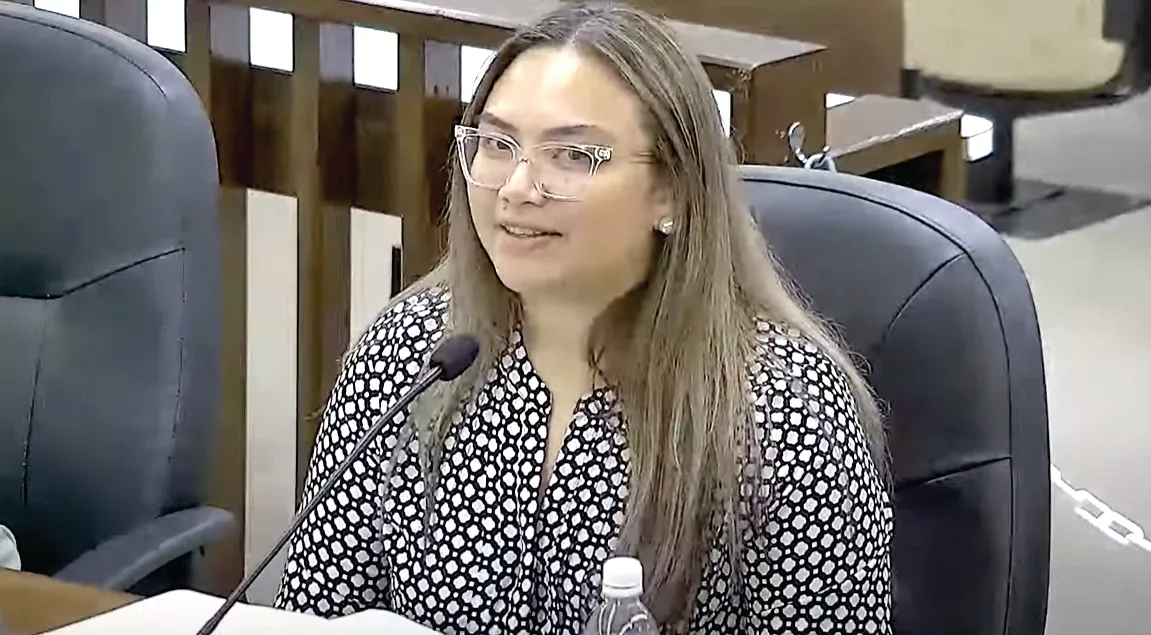
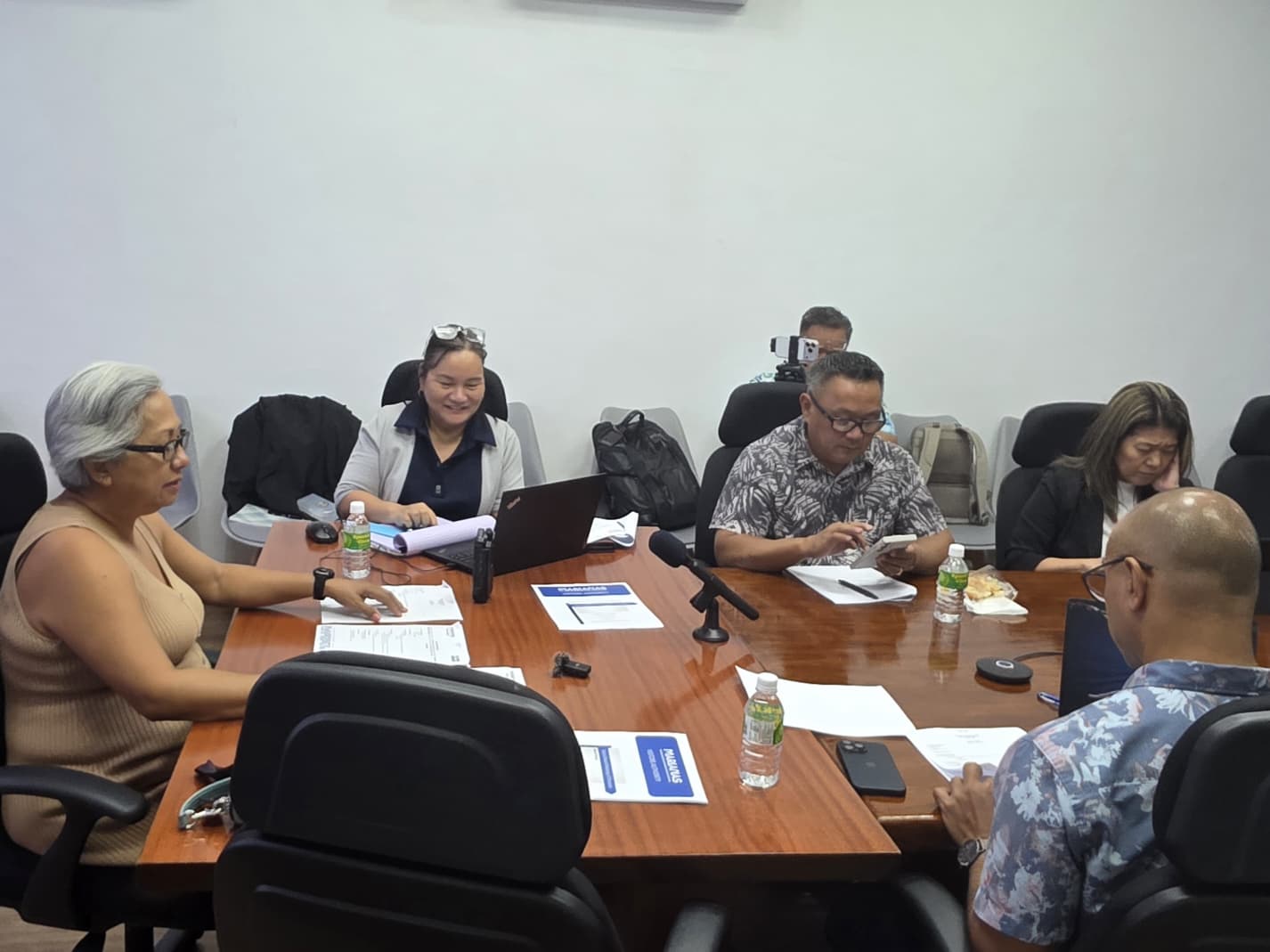
The legislative public hearings/meetings conducted recently should be an eye-opener for many of us. Clearly, like many us, most lawmakers are in the dark. Like many of us, they have preconceived notions about a certain problem that are usually wrong. But unlike us, they are in a position to “do something” about said problem. Hence, the never-ending proliferation of laws whose good intentions — and they always have good intentions — are inversely proportional to their actual outcomes.
Today, the high prices of fuel and other basic commodities and services are “big issues.” But these have vexed rulers since ancient times. And the “solutions” back then — price controls and going after “greedy” merchants — are still as wildly popular and no less boneheaded and disastrous as they are today.
Voters, if a candidate for office promises you that s/he will “do something” about high prices, ask him/her how exactly. Specifics, please.
As former European Commission President Jean-Claude Juncker once said, elected officials “all know what should be done, it’s just that [they] don’t know how to get elected afterwards.”
Why? Because the “solutions” that may “solve” most of the government’s problems (which almost always involve lack of funding) are deeply unpopular.
In the CNMI’s case, the “solutions” have already been discussed with experts, and their proposals have been published and posted online since March 2020. (https://cnmi.pitiviti.org/uploads/CNMI_FiscalResponse_BriefingPaper_Final.pdf)
They include significant reduction in the size of government (reduction in work hours; reduction in personnel; reduction in medical referral costs, etc.) and tax and fee hikes.
No takers, so far, even from the Hope! Change! For the People! politicians.
The CNMI government’s real and actual problem is lack of funds caused by an economic downturn. The CNMI, moreover, is intertwined with the global economy which is also struggling.
Regardless of how many degrees s/he has from an Ivy League university and how pure his/her heart is, how can a CNMI official “solve” that? By calling for “self-sufficiency”? But can it fund medical referrals? Government jobs? The retirees’ pension fund? Paved roads? Reliable utilities? Public health? Public safety? The justice system? Public education? Scholarships? NMC? Homesteads?
Assistant Professor Scott Scheall says elected officials can consult with experts, but usually experts themselves disagree with one another. Which expert to consult then? Which expert’s advice to follow? And what if the expert’s advice is as popular as monkeypox? (See CNMI Fiscal Summit briefing paper mentioned earlier.)
“What will you do under these circumstances?” Scheall asked. “Since you do not know how to promote your constituents’ interests, you will not do that. You will do something that you know better how to do.”
Hence, donations to the youth, the children, the elderly; cleanups and beautification events; commemorative resolutions; re-naming streets, schools, buildings after prominent local community members; sponsoring sports, community, school events; village projects; purchasing community fundraising tickets and/or bento boxes; attending fiestas, proclamation signings, Christenings, weddings, funerals, etc.; doling out government contracts, jobs and other favors; denouncing corruption; “listening to the people.”
In a word, politics.
Send feedback to [email protected]