


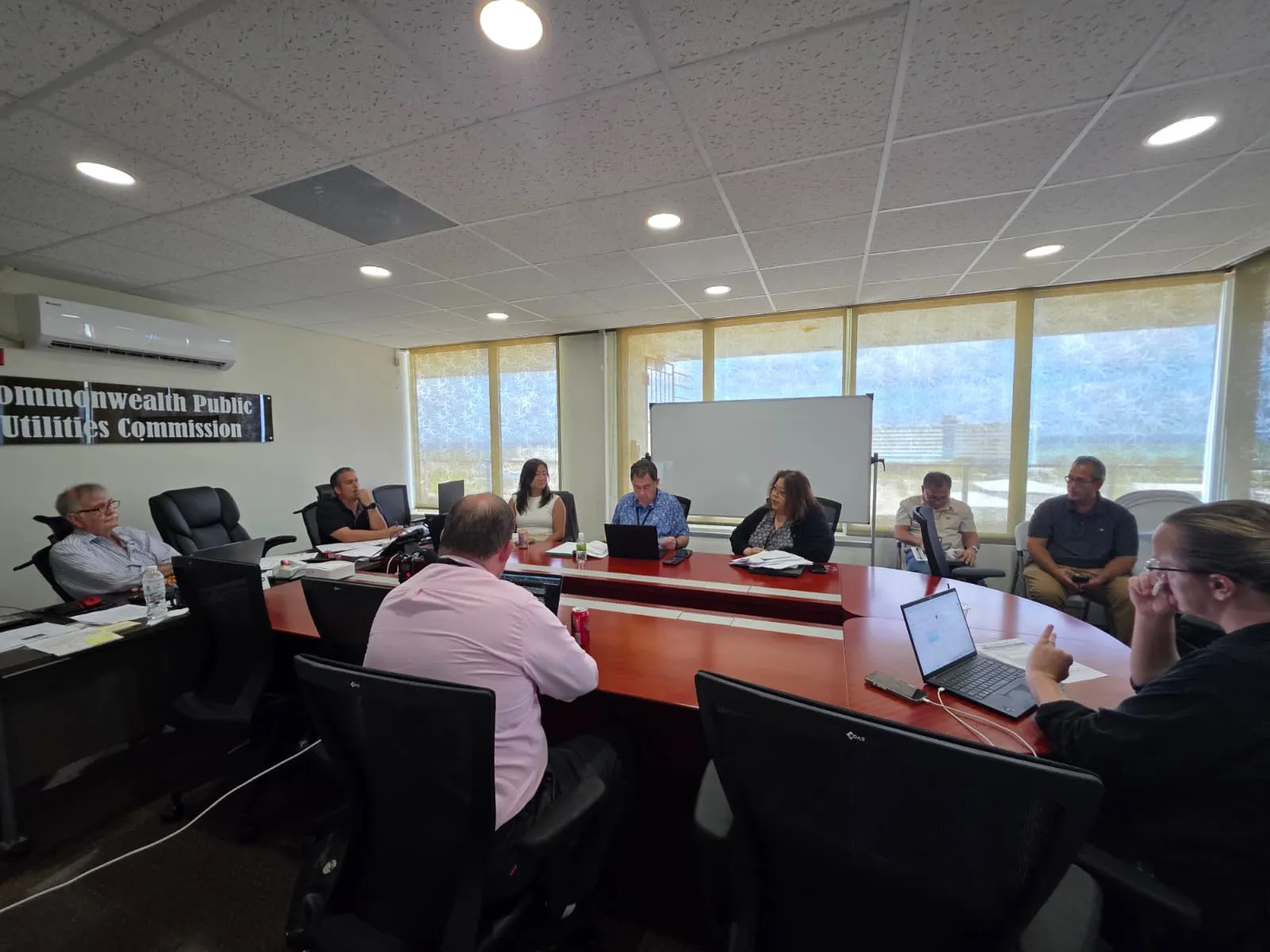




The Western Pacific leaders said a bulk fuel plant could be built on one of the islands in the area, which would store and supply all the fuel needs of the region. “The advantage for this arrangement is cheaper and more reliable delivery of fuel to those who need it on the islands”, they said.
After the recent debates on conducting studies for possible oil deposits in Northern Palau and the ever increasing prices of fossil fuels world-wide, our public leaders should continue thinking about ways of bringing to the islands the fuel we need (gasoline, diesel oil, gas, etc) at prices we can afford and live with.
The establishment of a bulk fuel plant for Palau and our Pacific region is not a new concept. About thirty-five years ago (1975), Palauan political leaders (Lazarus Salii and Roman Tmetuchl) began exploring the feasibility of establishing such a facility within Palau’s territorial jurisdiction.What they came up with was something so huge that it sent shock waves all over the Pacific and beyond. It was the proposed “Palau Tanker Super Port”, which was planned for Ngkesol (Kossol) Reef. At an estimated cost of over a Billion dollars at that time, the Super Port was to provide a steady flow of oil to public and private consumers in Palau and the Central and Northern Pacific, such as Japan and Korea, if deliveries of oil from outside the Pacific were to be interrupted.
The Arab-Israeli war in the early Seventies resulted in the first interruption of oil flow to the world markets which, in turn, drove the price of gasoline up at the gas stands.Back then speculations that the price of gasoline could go as high as $2.00 per gallon were considered bad jokes. Today, of course, we all wish the price of gasoline would go down to that level. The Palau Super Port proposal raised a number of environmental, economic, and diplomatic issues, which must be addressed again if the idea for an “Oil exploration” is pursued. Literatures on the Palau Super Port should be consulted by our government leaders if work on the “Oil exploration” for Northern Palau should continue.
The Palau Super Port concept, which began in the mid-seventies with certain Iranian interests, came to an end when the Shah of Iran was deposed in the late seventies and an Islamic Republic took over the country. With the Shah’s demise, the Super Port scheme laid dormant for some years until it was revived, briefly, by the IPSECO Power Plant at Aimeliik. The plans for the Power Plant in Aimeliik initially had an addendum, which called for the construction of a “Fuel Tank Farm” whose purpose was to supply diesel fuel and lubricating oils to all the foreign fishing boats licensed to fish in our region of the Western Pacific. That part of the Aimeliik Power Plant arrangement was never implemented, but its insight and concept could still provide valuable information and insights to those who would be working on the “Oil Exploration Plans for Northern Babeldaob”, on behalf of the people of Kayangel and the Republic of Palau.
