

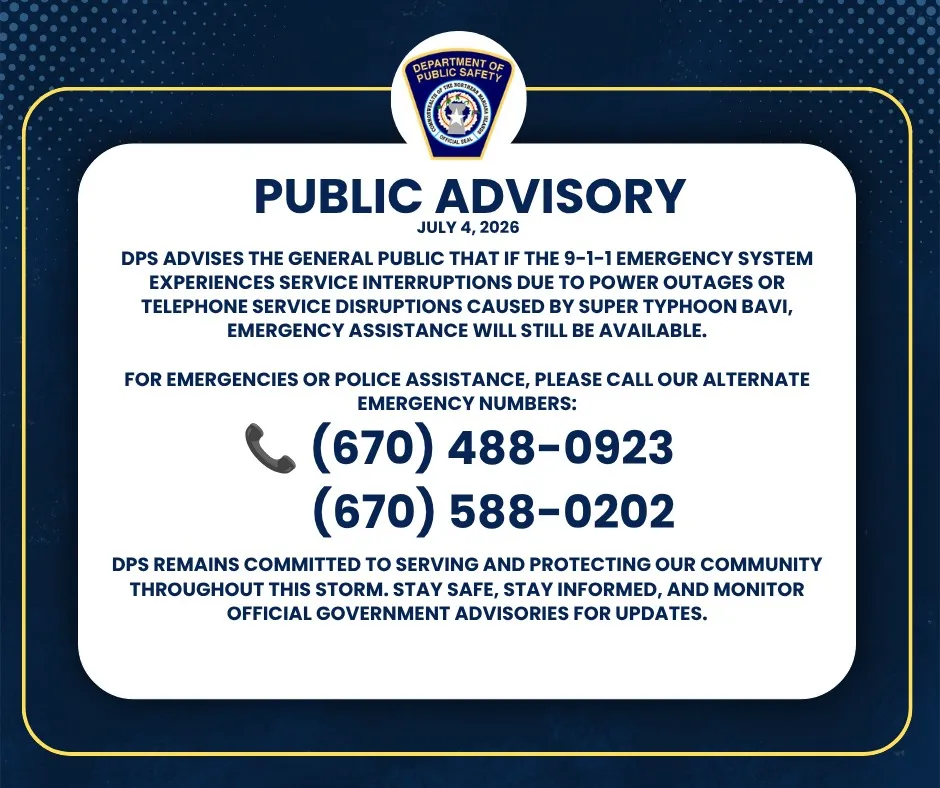



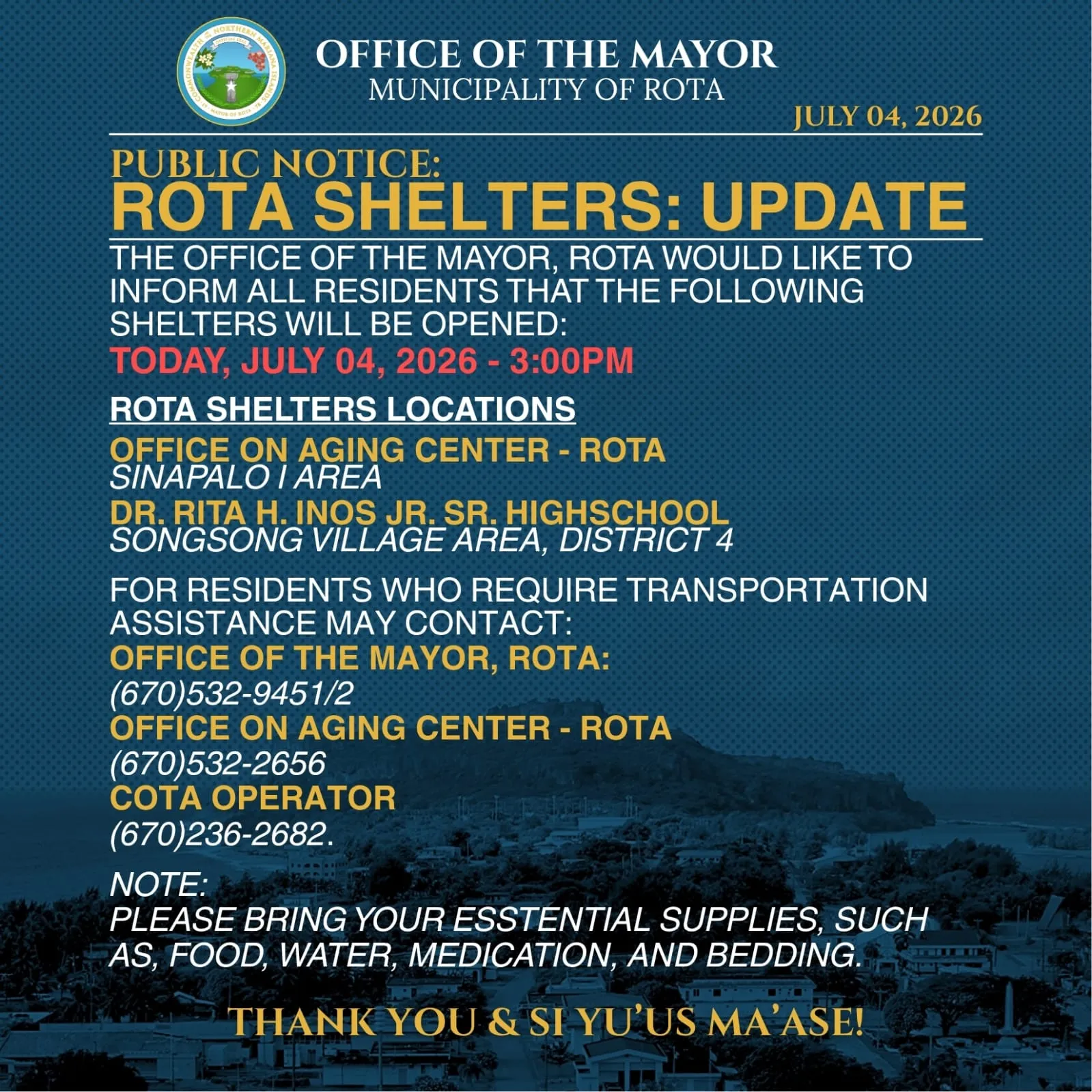


What is wrong with this picture?
The problem with this picture is that the people who are in elected political positions in the CNMI are clearly not on the same page or wavelength. This obvious paradox and contradiction will not benefit the CNMI because there is no consistency of purpose among those who have been chosen to provide political leadership for the people.
Partisan politics can get in the way of allowing the CNMI to move forward with progress. If any progress is to be made, then those elected officials will need to shed their partisan convictions and move toward what is necessary for the greater good right now.
Partisan politics have been shown to stymie any progress and sometimes create chaos. If you take a look at what is happening in California regarding the state budget, it is evident that the impasse stems from the Republicans and Democrats not being in concert with each other in terms of how the revenues should be spent to provide essential services to those taxpayers throughout California. To date, there is no budget and those who have been negatively impacted by not having a budget in place are completely fed up and want to throw all of the politicians out of office.
In Washington, D.C., U.S. senators and congressmen have walk out of congressional sessions right before a vote on important legislation comes forward. The refusal to vote is commensurate with saying “Nay.” Adhering to party lines is counterproductive simply because it stems from what the party wants as opposed to what is totally beneficial for the people.
Regarding the proposed litigation against the U.S. government by Fitial, some might think it will create more tensions with elected officials in Washington, D.C. who have been historically critical of the island community, e.g., Speaker Nancy Pelosi and California Congressman George Miller. Others might think it is a good idea for David to step before Goliath in a court of law and hope that the political sling will take Goliath down. And if the CNMI did win the case, what then?
As far as the litigation Fitial is pursuing, it might be construed as “biting the hand that feeds you” since the federal government has helped the CNMI monetarily since it became a commonwealth. Although the argument by Fitial would probably be that the litigation is being pursued for the greater good, that decision might be totally negated if the reaction by the U.S. government to help the CNMI before, during, and subsequent to the litigation, becomes negative because of the lawsuit. Cutting off your nose despite your face?
Unfortunately, the relationship between the CNMI and the U.S. has been a love/hate one at best. Subsequent to the Covenant being created, the U.S. got the best part of the deal with having their occupation of some of the islands for military purposes go on indefinitely due to the automatic renewal clause. And several years later, the issue involving the land beneath the waters placed the U.S. in a favorable position because of a Supreme Court ruling. Some believe that the U.S. is taking advantage and exploiting the CNMI. If that is the case, what can be done about it? Or, can anything be done about it?
For every decision that is made by an elected official, there will always be one or more people who are not in concurrence. The expression, “you can’t please everybody all of the time” is applicable here. However, elected officials need to step across party lines when it comes to making decisions that will have a direct impact of benefiting the people and move away from the traditional partisan politics. The inevitable result will be beneficial change and progress.
When the founding fathers wrote the U.S. Constitution, they factored in more than one political party to allow for checks and balances. The primary purpose was to not have what took place in the island country of England they left for independence. But checks and balances in government should never favor political parties as opposed to the people. As the late Huey Newton of the Black Panther Party who earned a Ph.D. from UC Berkeley said during the tumultuous 1960’s, “Power to the People.”
DR. JESUS D. CAMACHO
Delano, California
