




It will take some time to absorb all of the information and follow the logic used to move from one point to the next and follow the reasoning of the majority’s final conclusion.
There seem to be many different ways in which the U.S. Constitution and federal higher court precedence applies or does not apply to the legal structure of the CNMI, due to interpretation of provisions in the Covenant. Making one’s way through this maze is fascinating, complex, and it seems that there is no single or clear overarching path that can be followed. Even if we are not bound to observe U.S. constitutional provisions and federal higher court opinions regarding voting equality, should we?
I acknowledge the judiciary’s reluctance to make what they considered to be a policy change, deferring to the history of decisions made in the past by the Legislature. It is clear to me, though, that the conversation regarding reapportionment and redistricting should not end here. The rights we enjoy as citizens are precious, and what is more precious than the right to be heard, equally, by casting our votes? The U.S. democratic process is dynamic, it changes. If it did not, women and African Americans would not enjoy the right to vote today.
What would be the representational consequences for our U.S. citizens in the event of a build up of military personnel on Tinian, or Pagan? Could we have a Northern Islands senator representing three eligible voters, if a thousand military personnel are staged or stationed on Pagan? Under current policy, that could very well be the case. Military personnel almost exclusively retain the voting rights of their home states.
These and many other unanswered questions point to the need to continue the work to examine, and perhaps more clearly define CNMI law pertaining to representation and voting rights of our citizens.
The responsibility now falls with the Legislature to go deeply into this subject and get it settled.
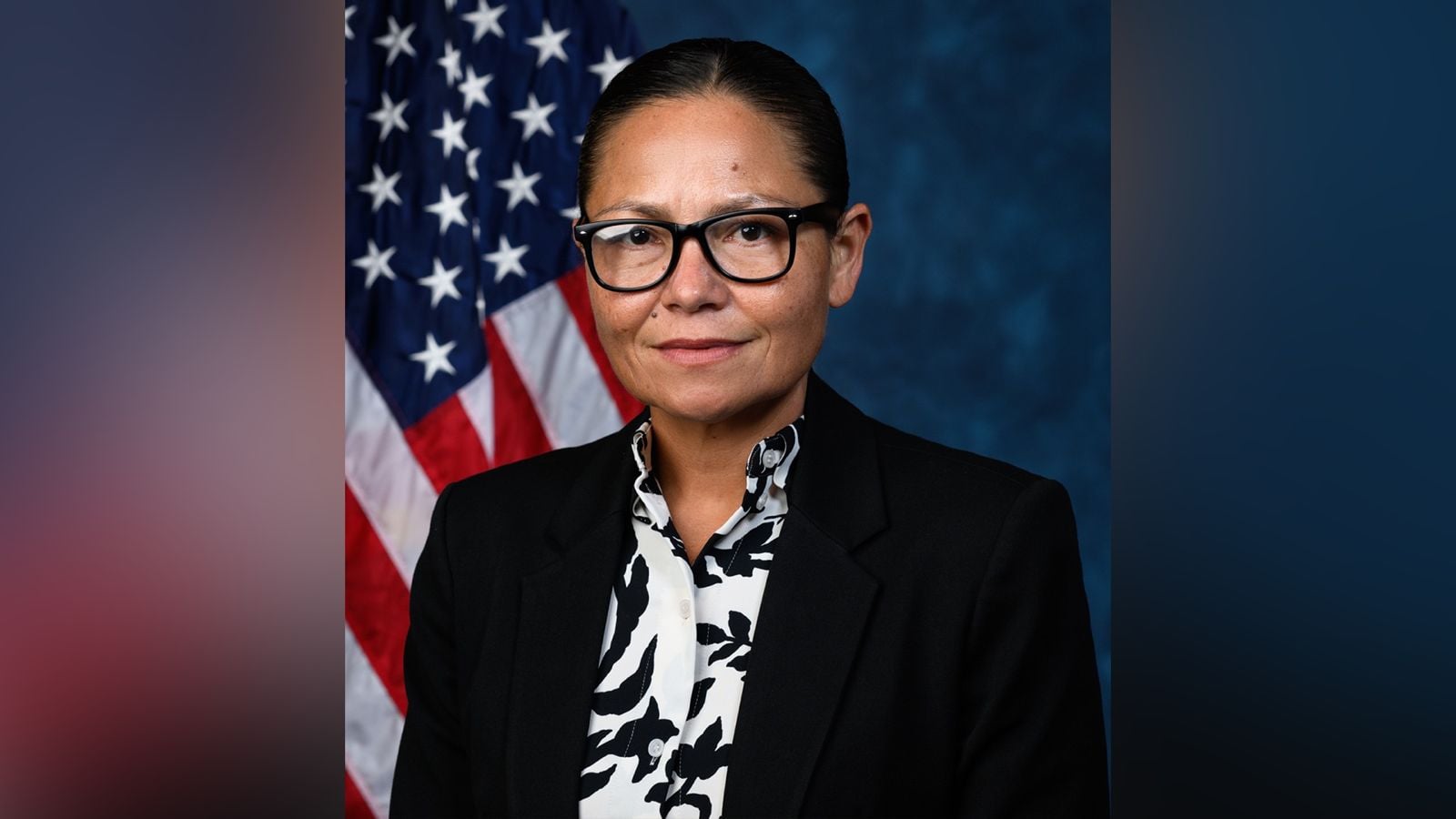
SEN. MARIA FRICA T. PANGELINAN
16th CNMI Legislature
