








SAIPAN is a small island. When something happens, word travels quickly. Lately, what travels just as fast is frustration.
Business owners close their doors at night hoping the locks will still be intact by morning. Families notice when streetlights go dark. CUC crews repair the same lines repeatedly. Taxpayers quietly absorb the cost.
It should not feel normal.
Speaking personally — and with a bit of reluctant humor — I sometimes feel like I could write a short series titled “Things That Disappeared in Front of My Business.” More than 10 orchids were taken from the entrance. A $500 speaker was stolen, recovered, and now sits at DPS. The individual responsible was out in two days. While I respect efficiency, most business owners prefer efficiency in prevention.
But this issue is bigger than orchids or speakers.
Copper wire theft is not a minor nuisance. It damages electrical infrastructure, creates public safety hazards, increases emergency repair costs, and leaves neighborhoods literally in the dark. When lights go out, security declines. When infrastructure is repeatedly cut, confidence declines.
Let us be honest about the root cause.
Copper is not being stolen for decoration. It is being stolen because someone is buying it.
In a small island economy like ours, the economics are simple: if there is no buyer, there is no business model. Theft continues because a resale market exists.
Instead of layering complicated regulations that are difficult to monitor, we should take a direct and enforceable approach:
• Prohibit the purchase of scrap copper in the CNMI.
• Ban export of loose copper scrap without certified origin documentation.
• Impose substantial fines — $200,000 per violation — and revoke business licenses for repeat offenders.
No loopholes. No excuses.
The fiscal impact is real. When we calculate infrastructure replacement, emergency labor, law enforcement response, business disruption, and increased insurance exposure, conservative estimates suggest copper theft costs Saipan over $1 million annually. In a small economy, that is significant.
Every dollar spent repairing preventable theft is a dollar not invested in roads, schools, health care, or public safety improvements.
Saipan has an advantage larger jurisdictions do not: scale. We have a limited number of scrap outlets. Enforcement here can be straightforward. Eliminating the resale market is achievable. This is not anti-recycling policy; it is infrastructure protection and sound economic logic.
At the same time, we must also enforce the laws already on the books.
I respectfully call on our Department of Public Safety to consistently enforce existing curfew laws for those under 18 years of age. If minors are out late at night without supervision, that increases the risk of vandalism, theft, and unsafe situations — both for them and for our community. Enforcement of curfew laws is not about punishment. It is about prevention, accountability, and protecting our youth from entering a cycle that harms their future.
Visible patrol presence in high-incident areas deters crime. Functional street lighting reduces opportunity. Prompt utility restoration after storms enhances resilience. Neighborhood awareness, motion lighting, secure property, and early reporting all matter.
We must also invest upstream. After-school programs, mentorship, and job training provide alternatives before bad decisions begin. Prevention starts long before a wire is cut.
Public safety and economic stability are directly connected. Investors assess risk. Tourists assess perception. Families assess security. A well-lit, consistently enforced, and accountable community builds confidence.
Saipan has overcome typhoons, economic downturns, and uncertainty before. This challenge is manageable if we address it collectively and decisively.
Public safety is shared — but so is accountability.
If we commit to clear laws, consistent enforcement — including curfew enforcement — brighter streets, active neighborhoods, and the courage to shut down the resale incentive driving this problem, we will restore confidence.
And perhaps — just perhaps — we can keep our orchids where they belong.
Saipan deserves peace of mind. Together, we can ensure it remains not only a beautiful island, but a secure one.
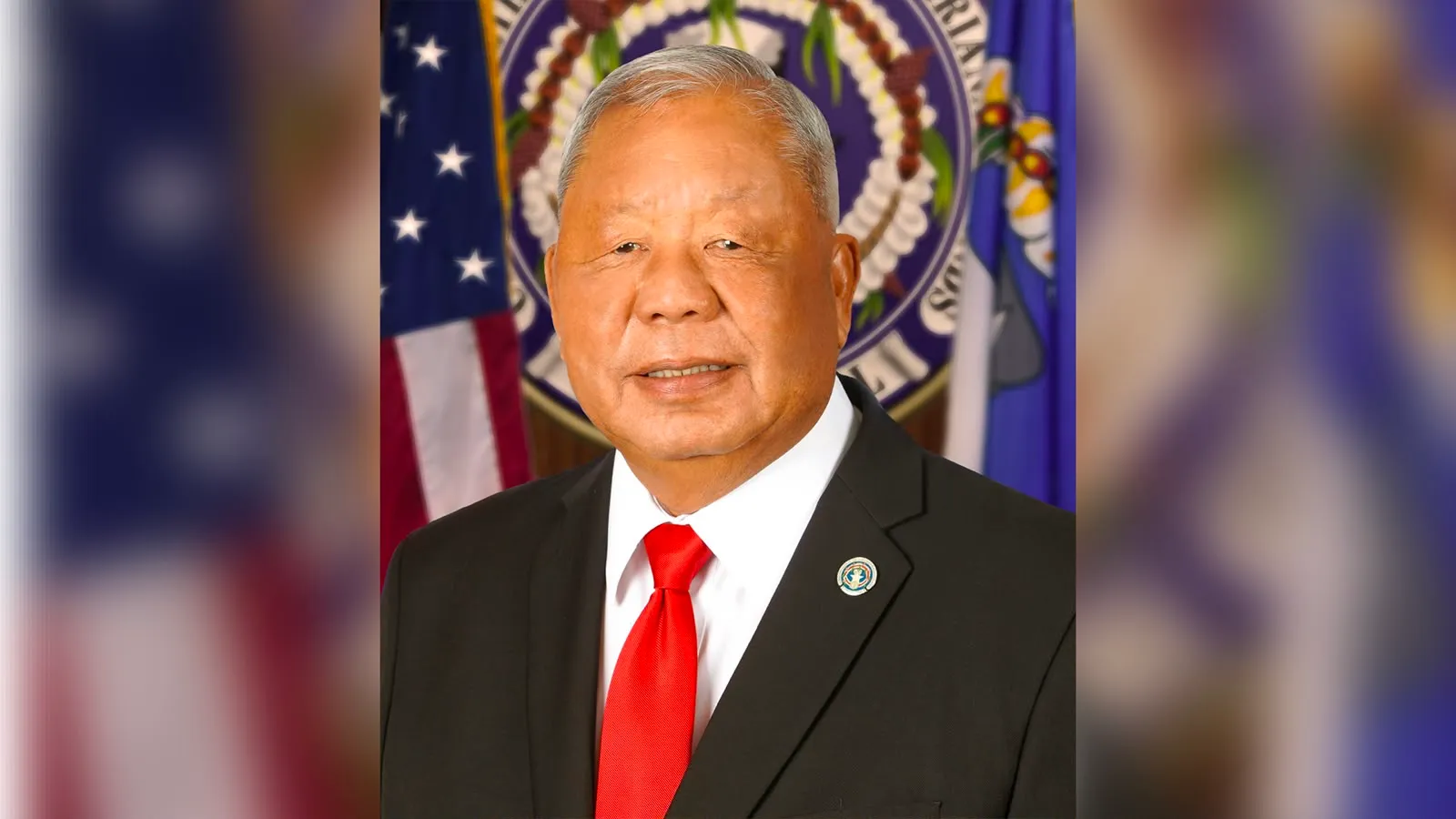
STEVE JANG
Saipan, CNMI
