







THE Senate on Wednesday passed a bill that would allow private employers to exercise a voluntary veterans’ preference in employment.
All seven senators present voted for the passage of the bill. Senate Vice President Justo S. Quitugua and Sen. Paul A. Manglona were absent and excused from the session.
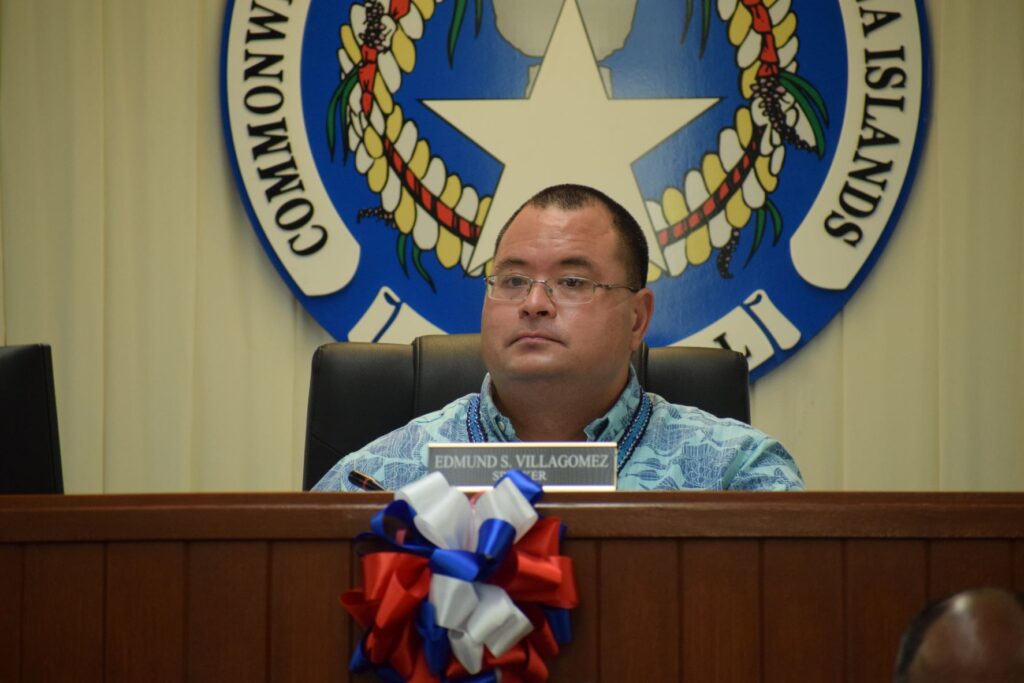
Authored by House Speaker Edmund S. Villagomez, House Bill 22-85 proposes to amend Title 1, Division 2, Part 1, Chapter 1, Article 7 of CNMI law to add a new section for voluntary veterans’ preference in employment.
According to the bill, the “local veteran population is growing larger while economic opportunities continue to diminish.” It notes that the U.S. military is a major employer for CNMI residents, with many veterans returning to the Commonwealth after being discharged.
The bill states that it is “a reasonable way to honor those who have served their country by following both federal and state laws that provide preferences for honorably discharged veterans in employment in federal, state, and local government.”
The bill noted that for some public employment positions, applicants must take a competitive examination. In those cases, preference is given to veterans by adding a percentage to the passing mark, grade, or rating of an exam.
Federal law allows states and U.S. commonwealths to provide some preferences to assist veterans.
“This legislation intends to mirror public employment preferences. There is no disparate impact against women with this preference under the law,” the bill stated.
It added that it would provide an “express shield” against litigation for employers who want to provide a preference to veterans, with an “express safe harbor” in Title VII to allow for these types of state laws.
The bill finds that this is consistent with the wishes of many companies that would like to prefer veterans but are concerned about litigation.
“This legislation will remove the fear factor and allow more companies to reach out to veterans. This would help take down one barrier to hiring veterans and allow companies to work to transition military members into the larger workforce,” the bill stated.
The legislation also provides that in private, nonpublic employment, veterans and their widows or widowers may be preferred for employment. Spouses of honorably discharged veterans who have a service-connected permanent and total disability may also be preferred for employment. “These preferences are not considered violations of any state or local equal employment opportunity law,” the bill stated.
H.B. 22-85 now goes to the governor’s desk.
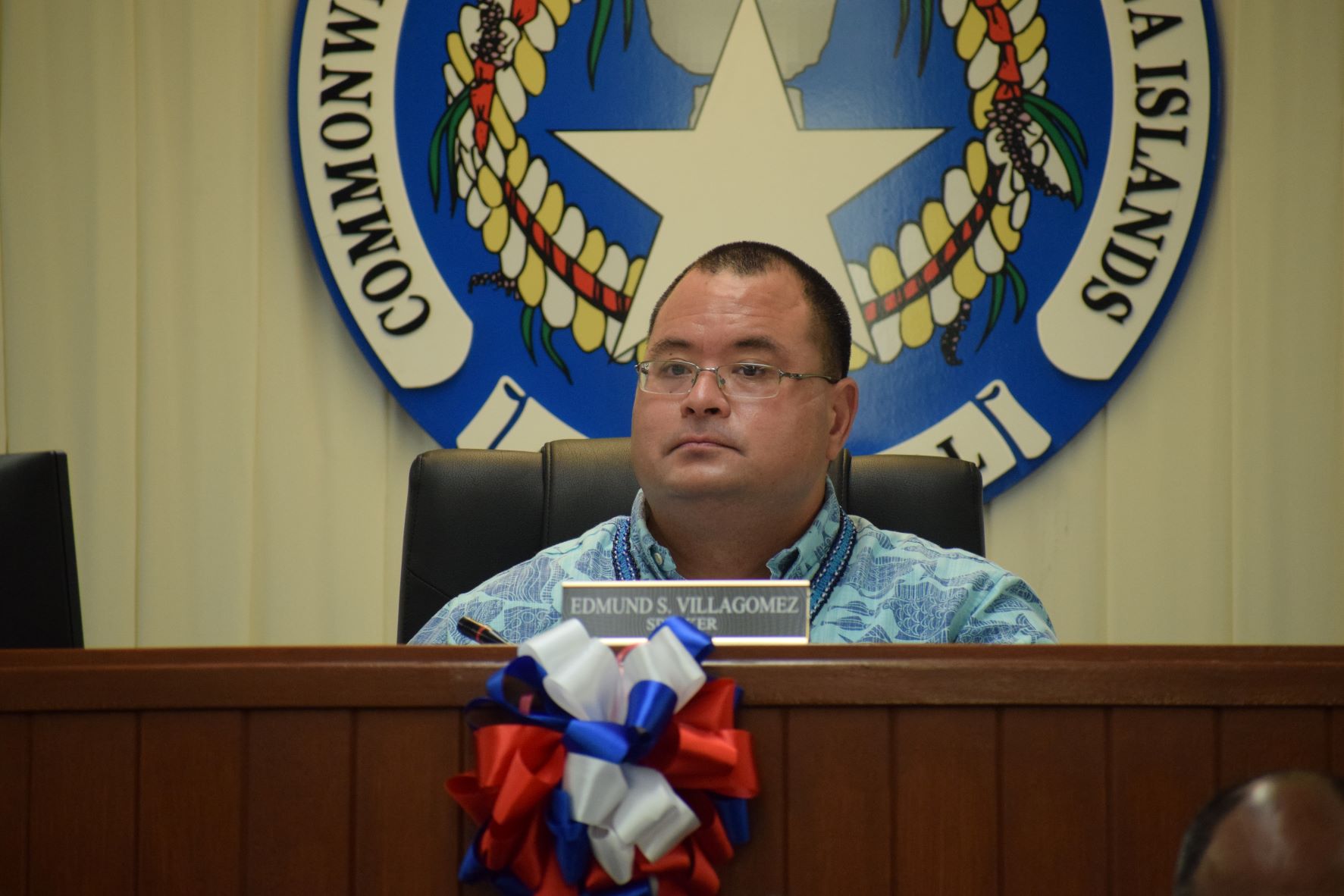
Edmund S. Villagomez
