





THE Senate on Friday passed Senate Bill 23-37 that would change the power, water and wastewater rate for the Commonwealth Healthcare Corp. to commercial rate.
With a vote of 5 to 1, S.B. 23-37, authored by Sen. Jude U. Hofschneider and co-sponsored by Senate Floor Leader Corina L. Magofna, now goes to the House.
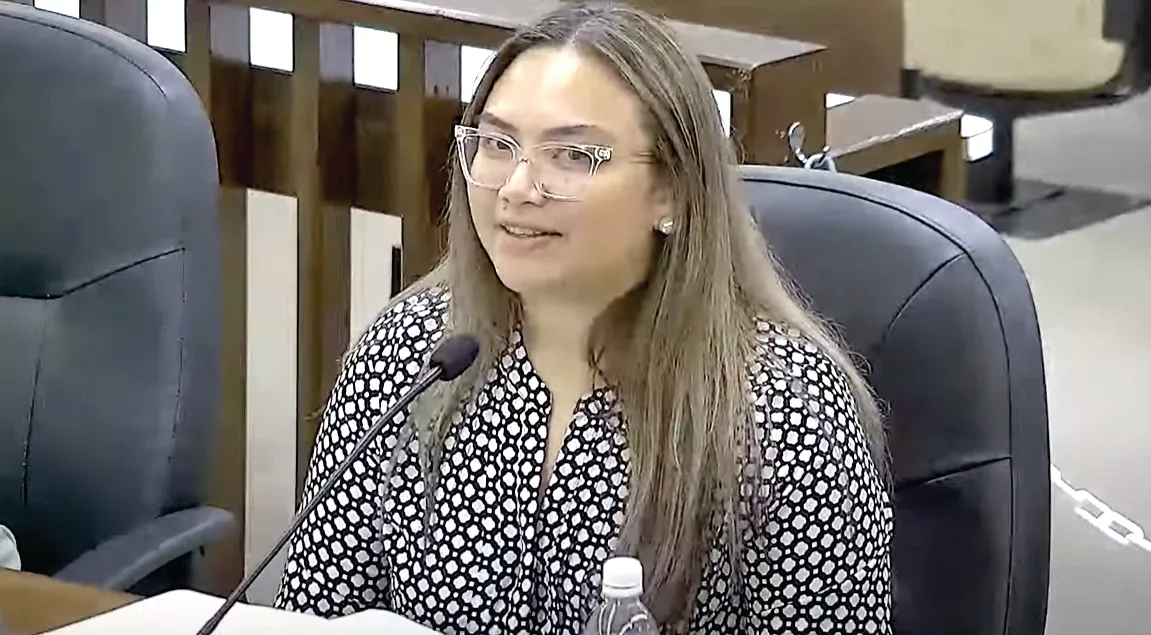
Sen. Celina R. Babauta cast the lone “no” vote, saying that the measure should be returned to the Senate Committee on Public Utilities, Transportation and Communication.
She said the Senate Committee on Executive Appointments and Government Investigations, which she chairs, will soon act on the nomination of James Sirok and Dr. Jack Angelo to the Commonwealth Public Utilities Commission, which can decide on utility rates.
Aside from Hofschneider and Magofna, the other senators who voted in favor of S.B. 23-37 were Senate President Edith Deleon Guerrero, Sens. Frank Q. Cruz and Dennis Mendiola.
According to S.B. 23-37, the assessment of the CHCC rate “shall be retroactive to October 2011,” which is when CHCC was established.
The bill mentioned Public Law 18-19, which changed the Public School System’s utility rate from government to commercial.
According to the bill, the current government utility rates for CHCC are “unreasonable and unsustainable in light of CHCC’s status as an autonomous public corporation.”
During the public comment section of the Senate session, acting CHCC Chief Executive Officer Stephanie Crisostomo said they commend the author for helping CHCC address one of its most challenging financial issues —utility bills.
She said they at CHCC were in full support of S.B. 23-37.
“PSS is in a business of educating our children, our future leaders, and CHCC is in the business of keeping them healthy, along with their teachers, parents, their grandparents and the entire CNMI community. This help can only come from you, the legislators,” Crisostomo said.
Switching the rate from government to commercial would greatly help the only public hospital in the CNMI as well as the Rota and Tinian health centers.
She added that the bill correctly stated that CHCC should be treated as other commercial healthcare providers in the CNMI.
“Therefore, it is only fair that CHCC pay the commercial rates for power, water and wastewater. CHCC also supports the waiver provision in the bill of late fees and penalties that had been assessed against the corporation from FY 2011 to present,” she added.
During a press conference, Babauta said S.B. 23-37 does not address the root cause of the problem, which is lack of funds.
She said nothing is supposed to stop CUC from adjusting its rates category, adding that the Commonwealth Public Utilities Commission has the authority to do so.
S.B. 23-37 is basically usurping CPUC’s authority, she said.
Babauta said the measure cannot compare CHCC to PSS because PSS is not a money-making agency. CHCC is a money-making corporation that, unlike other businesses, is not paying gross revenue tax to the government, she added.
There’s more to consider
Asked for comment, CHCC CEO Esther L. Muna said “while Senator Babauta offers a thought-provoking argument, there’s more to consider.”
For one, Muna said, non-profit organizations are in the same situation. However, non-profits enjoy the flexibility to choose between residential or commercial rates for electricity, an option that the CHCC, being a government-owned non-profit, doesn’t have, she said.
Moreover, she said CHCC faces significantly higher utility rates — almost 10 times for water and over 21 times higher for wastewater. “This rate disparity is the real issue that deserves our attention,” she said.
“Furthermore, we should reflect on the premise that taxpaying entities deserve lower utility rates. If we follow this logic, it could be inferred that the government should carry higher rates. But, given that the government’s funds originate from taxpayers, this seems counterproductive,” Muna said.
She noted that CHCC operates “largely independently, receiving less than 5% of its financing from the central government each year, outside of the publicly funded Health Network Program [or medical referrals]. Yet we cannot deny care for emergency and hospitalization services.”
“We appreciate Senator Babauta’s perspective on this and hope we can work closely together to provide solutions to remove this undue burden caused by the current utility rate structure,” Muna added.