



WITH roughly 20,000 CNMI medical referral patients, the autonomous Commonwealth Healthcare Corporation will need government assistance with the medical referral program.
In a press conference on Wednesday, CHCC Chief Executive Officer Esther L. Muna said before CHCC took over the program, it had an $18 million deficit. For fiscal year 2023, its budget is one dollar.
“We’ve been stretching that dollar for four months since this fiscal year began. We’ve been stretching that dollar because of the policies that we’ve reinforced, and we didn’t spend $18 million. We didn’t even spend maybe $10 million; probably less.… We’ve managed to make it run for a while, [but] we need help,” Muna added.
She said there are a number of funding issues that need to be addressed within the program, including expanding healthcare access for CNMI patients.
“One of the things that we see with the medical referral is that there are a lot of patients that don’t want to leave [the island],” she added.
“There are a lot of patients that can’t afford to leave. [There are a lot of] social issues. We have patients who don’t have a caretaker to go with them…. They’re going for a major surgery, [but have trouble] finding somebody who’s willing to give up weeks of their work and really take off and say, ‘Yeah, I’m going to go with you’ for a $30 stipend. That’s not something that a lot of people are willing to do,” Muna said.
Having a family member by their side will result in more positive outcomes for patients, she added.
So “our goal is to try to see how we can provide services here [on island], working better with providers that can probably come here,” she said.
But healthcare access for specialty services is still limited in the meantime.
“There are a lot of things. We need to start looking at the state plan. The current state plan has a lot of limitations…. Not that we’re just going to automatically jump into sending patients over to foreign hospitals, but since we’ve taken over the medical referral program, we’ve seen where there is a need to send people as quickly as possible,” Muna said.
“Going on an airplane all the way to Hawaii or to the continental United States, that can be challenging, so it’s just looking at these gaps, like where can we improve, and it [involves] a lot of discussion with the Medicaid agency to ensure that it is actually covered in their state plan, so whatever is not covered now we have to come up with a plan to see how they can cover it.”
With a permanent 83% federal match for CNMI Medicaid, a 17% local match is still needed, but Muna said the future of local healthcare does look promising.
“The hindering factor is that [we did not] have the money, [but] now that can really change,” she said.
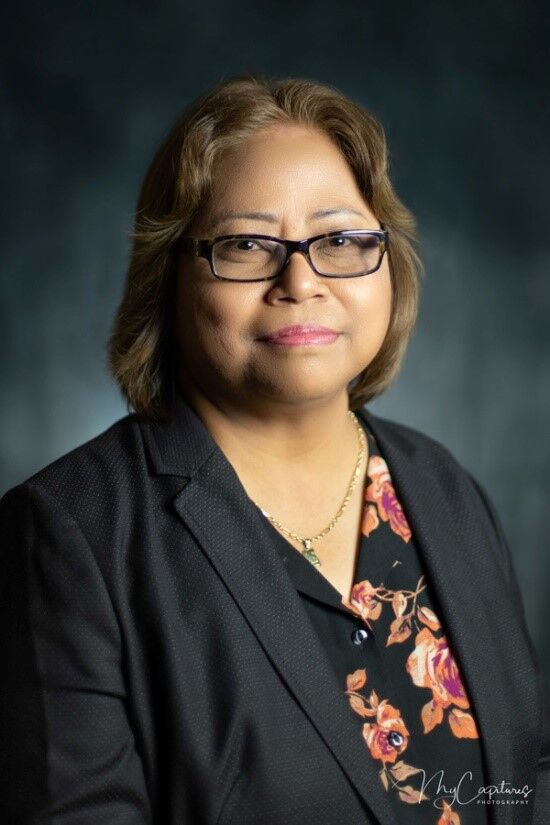
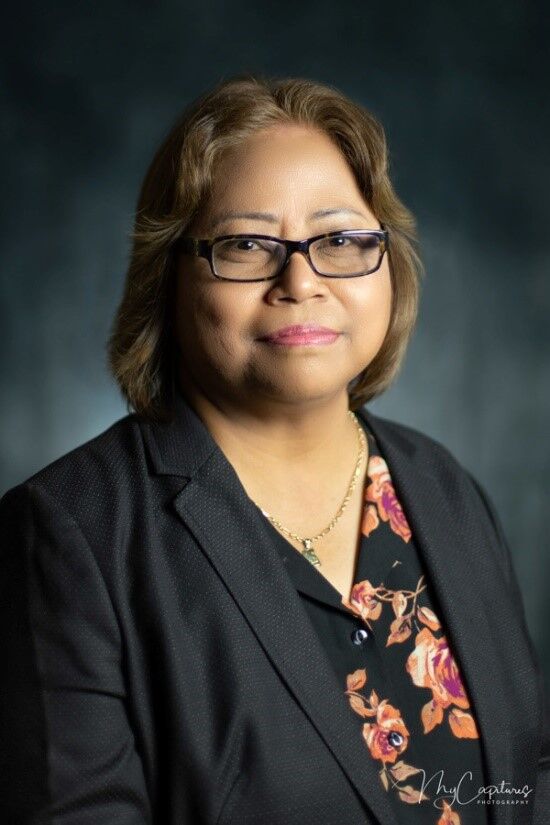
Esther Muna
