
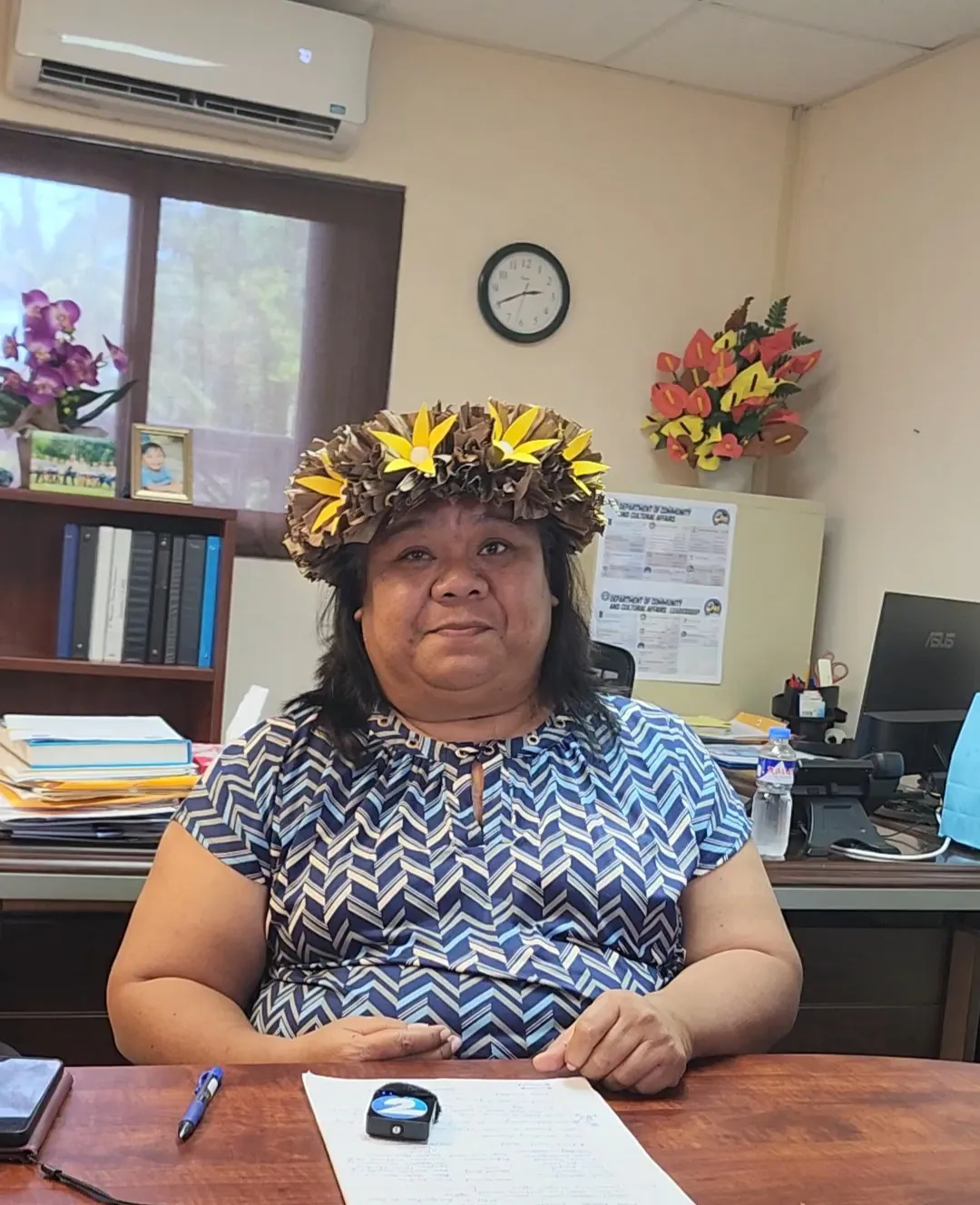



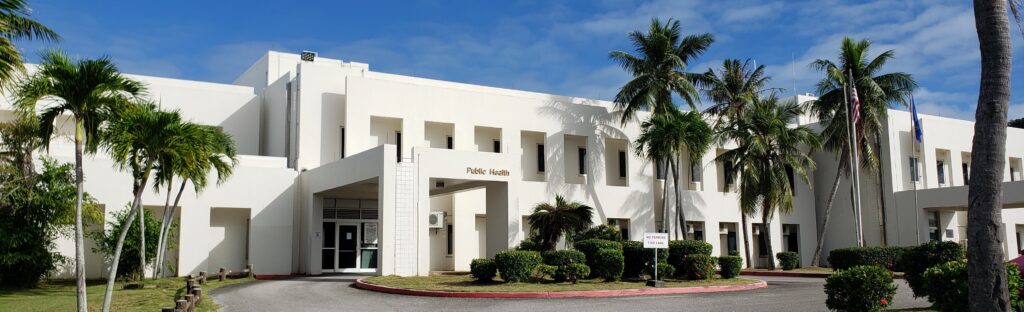
THE CNMI government needs to address the funding gaps of the island’s only hospital, Commonwealth Healthcare Corp. Chief Executive Officer Esther L. Muna told the House Ways and Means Committee on Wednesday.
Muna and other CHCC officials presented the committee CHCC’s history and financing trends which showed the healthcare corporation’s revenues and costs, and where it needs the Legislature’s help to cover financing gaps.
The law that established CHCC was enacted in January 2009. Among its goals is to create “an independent public healthcare institution that is as financially self-sufficient and independent of the Commonwealth government as possible.”
CHCC continues to receive annual subsidies from the central government.
On Wednesday, Muna told lawmakers that the graphs and reports in their presentation might seem new, but they were part of previous testimonies given by the CHCC leadership at every budget hearing.
“We need to address the gaps in funding from being a safety net provider that will treat anyone and everyone, even with one’s inability to pay,” Muna said.
“There is much to be concerned about how health has been prioritized over the years, especially on the lack of local matching funds for providing services to Medicaid patients at the hospital,” Muna added.
Medicaid is a joint federal and state government program that provides healthcare coverage to individuals and families with low income.
Muna said she wanted the committee to be aware of the Medicaid funding situation in the CNMI and how it will affect the delivery of health services.
She said the effects of the Medicaid local funding shortfall are already affecting CHCC and private providers.
She said from June 2023 to Sept. 2023, Medicaid will pay Children’s Health Insurance Program and Compact of Free Association-eligible services, but not services provided to the general Medicaid population.
This will leave a monthly shortfall of about $3 million, Muna added.
As the committee considers the funding needs of CHCC, she urged its members to “please see how the CHCC leadership has made tremendous strides in adding more services the CNMI community needs, and every year, we hope to provide more.”
“We have made investments when we can and when we know we can achieve a faster return on that investment,” she added.
The Medicaid shortfall will force the hospital to make “tougher decisions” for the rest of FY 2023, she said.
“Over the past several years, budgets have been insufficient, and we hope FY 2024 will be different and adequate financial support for health is finally made,” Muna said.
Medical referrals
For her part, CHCC key strategy officer Kaitlyn Neises Mocanu talked briefly about the history of off-island medical referral services.
She said the program’s history “goes back to the 1960s,” and that financing it has never been simple.
“It had never been easy for the Trust Territory government and the CNMI government as it has been fraught with financing problems. This issue that we are facing now is not new,” she added.
Mocanu said from fiscal years 2017 to 2019, the average annual deficit for the CNMI medical referral program was about $11.4 million. She showed a bar graph that indicated the level of appropriation approved by the Legislature in 2017, 2018 and 2019, and the actual expenses that far exceeded the annual appropriation.
Medical referral services, now known as the Health Network Program, need $9 million in fiscal year 2024, Variety learned.