





HAGÅTÑA (The Guam Daily Post) — The Guam Legislature is meeting for another round of session this week and the first measure tackled Monday was Bill 2-37, which proposes to create a Special Cost of Living Economic Task Force to develop recommendations for a cost-of-living allowance (COLA) system for government of Guam retirees, based on inflationary increases in the island’s cost of living.
Increases in COLA have been implemented recently, but only through amendments in annual budget measures.
“It’s beginning to look like Christmas,” Sen. Telo Taitague stated jokingly, as no senator raised comments or concerns on Bill 2 Monday morning. Taitague is the main sponsor to the bipartisan measure, of which seven other lawmakers serve as co-sponsors.
Earlier in the session, Taitague stated that Guam is seeing more of its community leaving for jobs with retirement security.
“The point is, we need to keep pace and improve what attracts today’s workforce. Our current 5,624-plus government of Guam retirees matter,” Taitague said.
No objections were raised to the bill, and the measure was forwarded to the voting file.
Critical procurement contracts
While Bill 2 went by fairly smoothly, the second bill on the agenda, Bill 36-37, did see a lot more discussion. This measure creates a category of government contracts called “critical procurement contracts,” which are solicitations integral to major infrastructure or capital improvement projects, are expected to cost $5 million or more, and have funding or other resources that are restricted or can become restricted harming the procuring agency.
For procurement protests involving these types of contracts, Bill 36 would end the appeals process at the Office of Public Accountability. Normally, parties in a protest cases can still take the matter to court after the OPA renders its decision.
It was this limited appeals process that sparked discussion among lawmakers Monday.
Sen. Thomas Fisher said the appeals process up to the Judiciary of Guam is integral to the government’s obligation to responsibly spend public money.
“I appreciate the fact that people do get very frustrated with the fact that things just seem to drag on and on in court … but that’s appropriate. The law moves slowly, but it moves towards proper results. And I think that’s extraordinarily important when we’re talking about the public purse,” Fisher said.
“For example, this house has been embroiled in conversations about a new hospital that is going to be in the multiple hundreds of millions of dollars, no matter where it’s built. I would be reluctant to submit the inevitable contract disputes … to one person without the benefit of discovery (in court),” the senator added.
Sen. Joanne Brown, a co-sponsor to Bill 36, said lawmakers need to recognize the challenge the government had created for itself.
“I’ve never quite understood the procurement process. It has a 126-page checklist to go through. It essentially strangleholds our ability … to function in some very critical areas,” Brown, a former Port Authority of Guam general manager, said Monday.
“If you’ve run an agency, it’s a major challenge dealing with procurement. The reality is also, we have companies, they have a reputation, if they don’t get the contract, (protest) is automatic. Because there’s no penalty to them … We’re challenged here with this situation of we have this federal money available. It’s not going to be available forever … And it’s our inability to go through this process – that the government itself has created – that makes it difficult to operate,” Brown added in apparent reference to American Rescue Plan funding.
Sen. Sabina Perez is the main sponsor to Bill 36. She said the bill was created with the Guam Power Authority in mind, although the language can apply to different agencies.
GPA has been vocal about the roadblocks it is experiencing with procurement protests. One protest ended up costing the utility one of its renewable energy projects, despite winning the case overall. Protests are also preventing the utility from proceeding with a project management contract to raise the generation capacity of certain diesel generators, which is one way the GPA plans to mitigate load shedding moving forward.
Sen. William Parkinson has introduced Bill 201-37 to address procurement pitfalls specific to certain diesel generators.
On Monday, Speaker Therese Terlaje asked why Bill 36 isn’t being limited to just GPA or federal funds, like ARP funds.
Perez said she is open to making Bill 36 more specific to GPA. Taitague also asked what would happen if there is a co-mingling of funds. Lawmakers went into recess and were still in recess as of press time, early afternoon Monday.
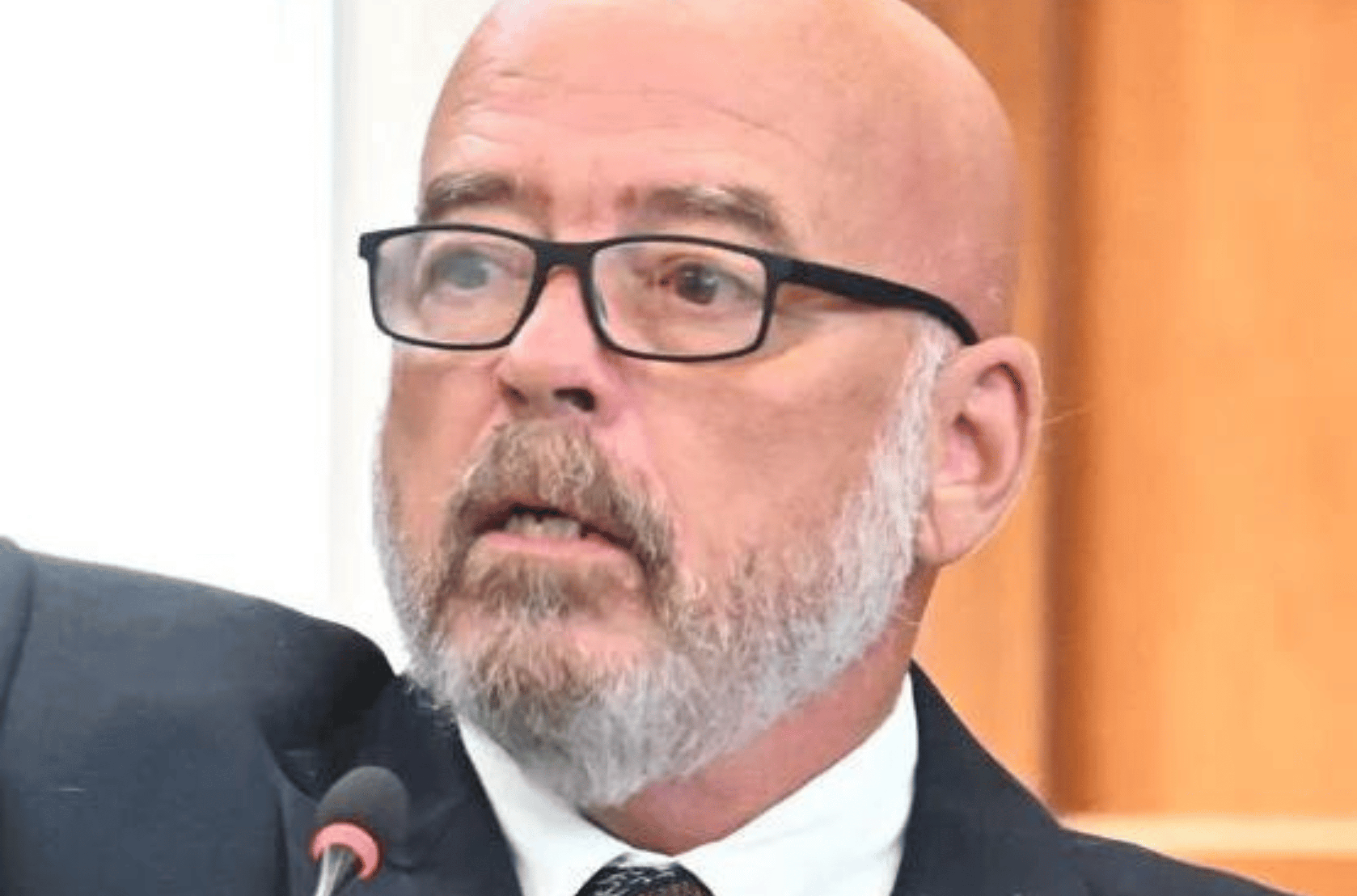
Thomas Fisher
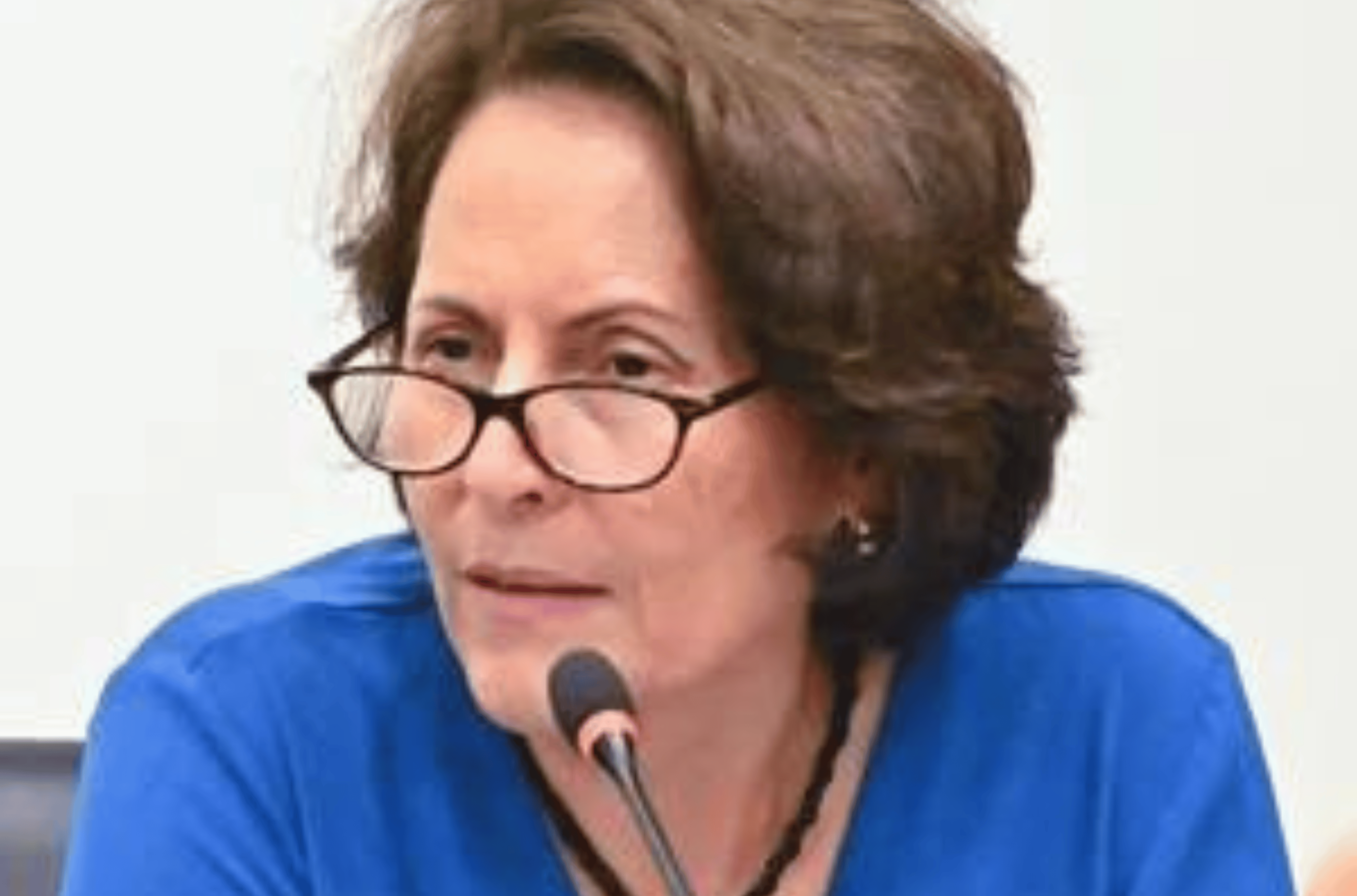
Telo Taitague
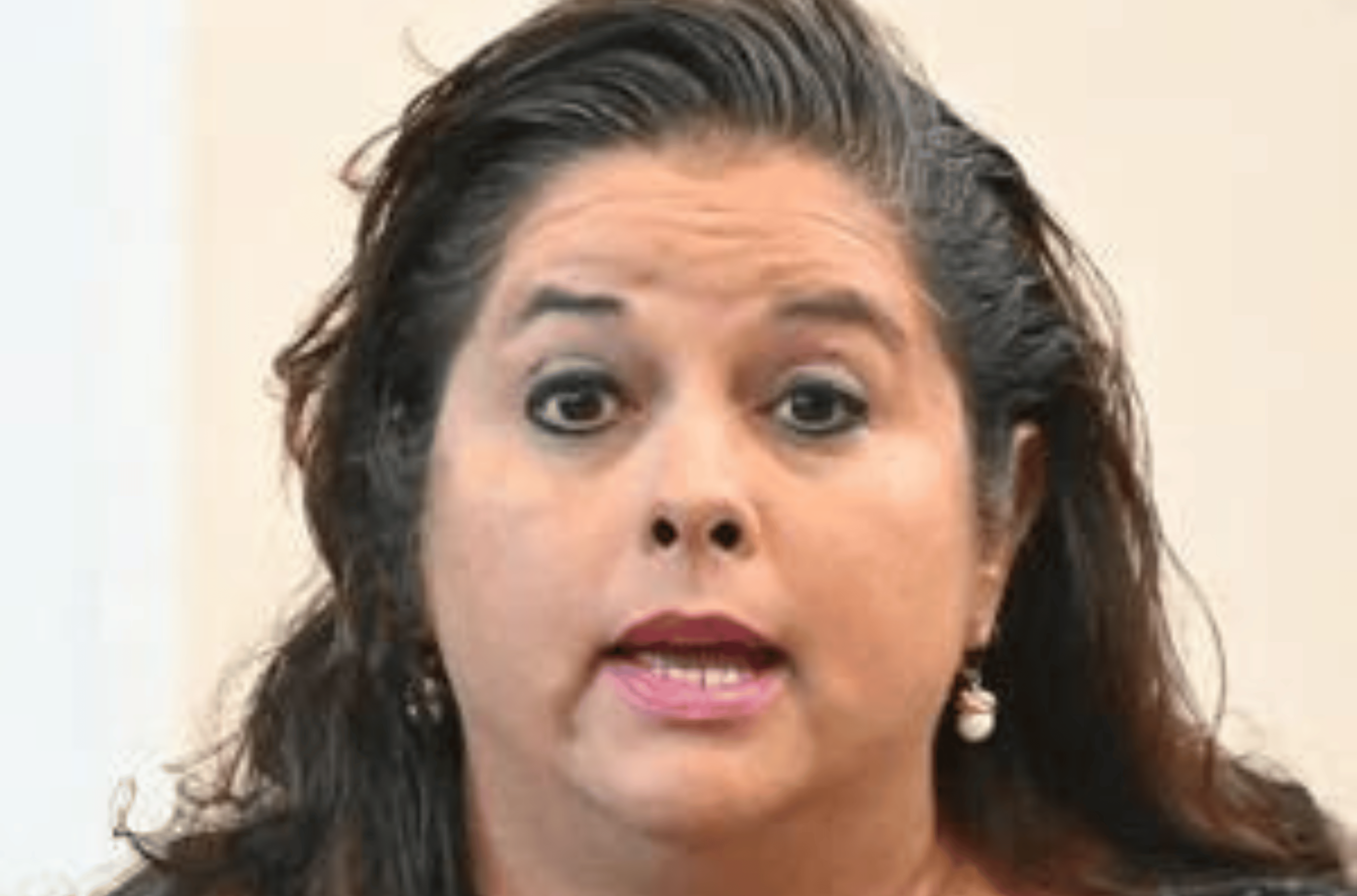
Joanne Brown
