





HAGÅTÑA (The Guam Daily Post) — The Guam Judiciary is committed to ensure magistrate hearings, or first appearance hearings for defendants, are held in a timely manner, according to the Superior Court of Guam presiding judge.
Recently, Attorney General Douglas Moylan made a request to have hearings for arrestees being charged in the mornings and afternoons, as opposed to just the afternoon, considering a “dire situation” has occurred with prosecutors attempting to meet the 48-hour deadline established by Guam law.
The Judiciary of Guam administrator of the courts, Danielle Rosete, subsequently responded, saying magistrate judges will start having two first appearance hearings a day “as an interim measure.”
The issue was discussed further on Friday, when Presiding Judge Alberto Lamorena invited the heads of the Office of the Attorney General, the Public Defender Service Corporation, the Alternate Public Defender, the Department of Corrections and the Guam Police Department to the hearing.
There it was established that morning magistrate hearings will continue. However, they must be requested by the AG’s office by filing charging documents “to the court no later than 4 p.m. the day before.”
“The 4 p.m. deadline allows sufficient time for the Judiciary to notify all relevant parties and update the court calendar on the website. Exceptions to the deadline will only be made for serious charges involving violent crimes,” the Judiciary wrote in a press release issued Sunday.
Lamorena, in the hearing, which was closed to the public, also emphasized the morning hearings “will only be held for cases that would otherwise fail to meet the 48-hour requirement under Guam law during the regular 3 p.m. hearings.”
“If a magistrate judge determines that an afternoon hearing can be accommodated without violating the 48-hour requirement, it will be rescheduled accordingly. Declarations of probable cause must also include a record of the time of arrest,” Lamorena said in the release.
“In all my 35 years overseeing the magistrate hearings, the Judiciary has remained steadfast in ensuring accessibility, impartiality and fairness in our legal system,” Lamorena said in the release. “Our discussion underscores our commitment to these principles. We are confident that the process we outlined will receive the full cooperation of our public safety stakeholders, ensuring that justice is not only served but seen to be done.”
Bill
While Moylan requested accommodation from the court to ensure timely filing, he also proposed a draft of a bill that would extend the deadline to 72 hours.
Sen. William Parkinson subsequently introduced Bill 235-37, which, if passed, will reflect the extension.
When asked about Bill 235, the Judiciary’s spokesperson, Sarah Elmore-Hernandez, told The Guam Daily Post, “The Judiciary was evaluating and will provide comment via testimony if and when the measure proceeds to public hearing.”
Although the Judiciary had not issued a position regarding the measure to extend deadlines, archives from the Guam Legislature show in 2008, when the magistrate deadline was 24 hours and a bill was introduced to extend it to 48 hours, the Judiciary testified it had “no issue” with the extension – but explained it may raise “potential constitutional violations.”
Additionally, the Judiciary referred to a U.S. Supreme Court ruling, County of Riverside v. McLaughlin, which interpreted “the Fourth Amendment requirement of demonstrating probable cause for warrantless arrests is to be limited to 48 hours,” and not any later.
Guam is one of 10 jurisdictions in the country that uses a 48-hour deadline for first appearances, while a majority have first appearances “without unnecessary delay.” Georgia is the only jurisdiction to have a 72-hour timeline. Other states, such as Oregon, use a 36-hour deadline that can be extended to 96 hours for good cause at the request of the defendant, according to an article from the National Conference of State Legislatures.
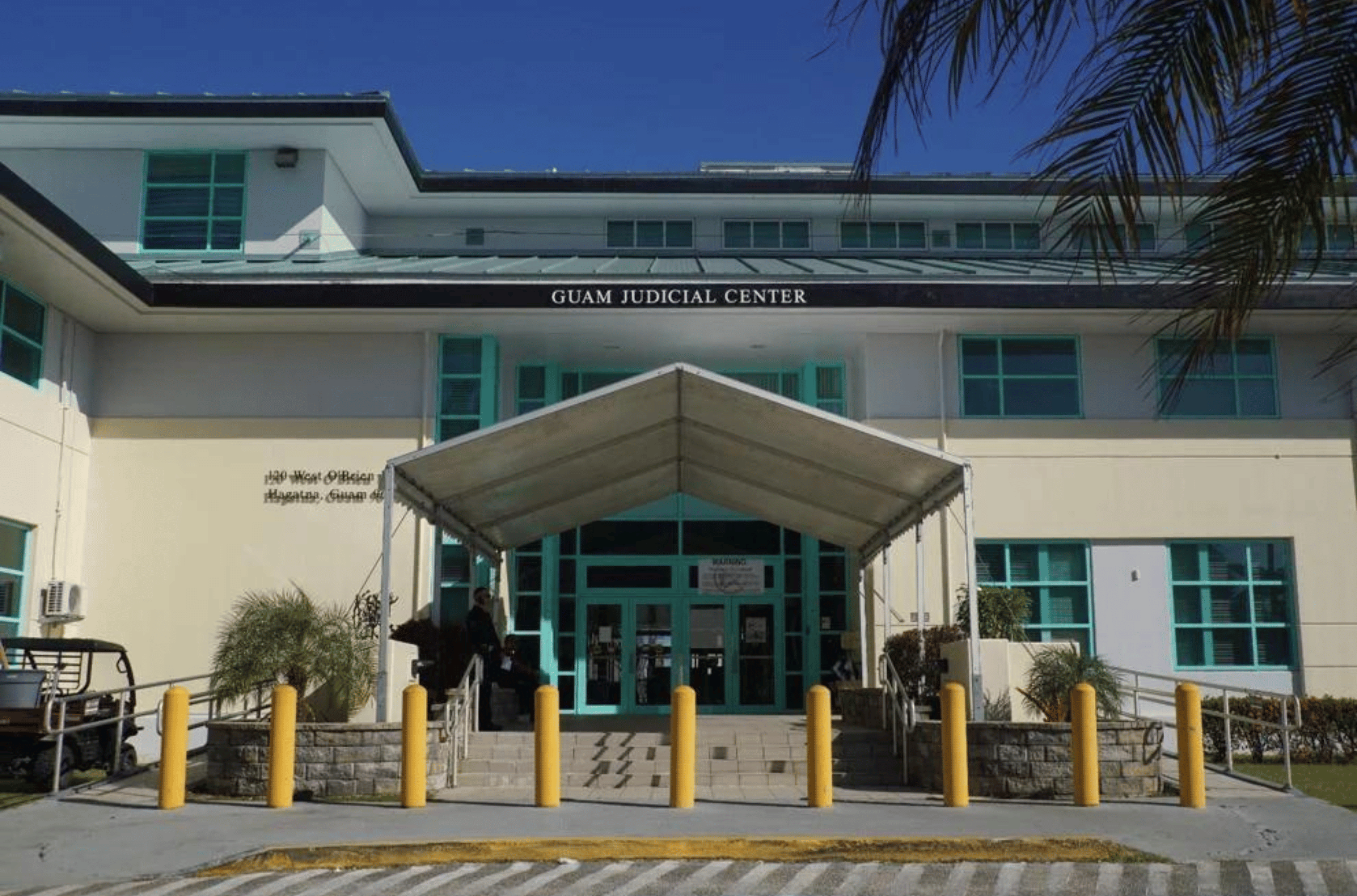
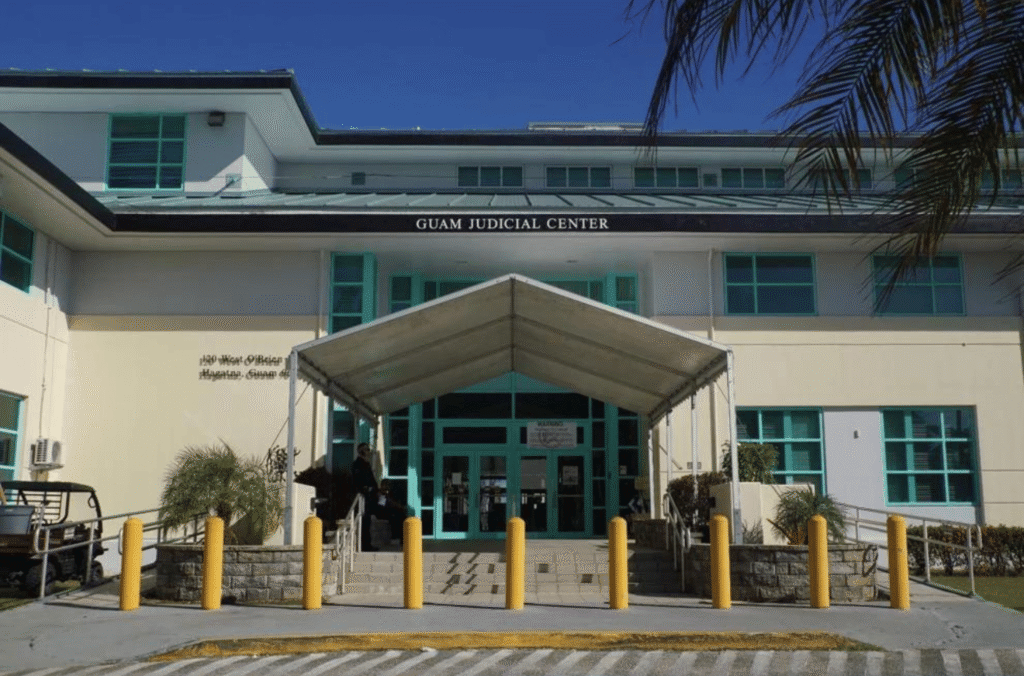
The Guam Judicial Center in Hagåtña is seen Wednesday, Jan. 31, 2024.
