



President Mori was accompanied by first lady Emma S. Nelson Mori; Lorin Robert, Department of Foreign Affairs; Fabian Nimea, Office of the President; Andrew Yatilma, Office of Environment and Emergency Management; and Samson Pretrick, FSM Embassy in Suva.
The Forum was also attended by heads of states and governments of Australia, Cook Islands, Kiribati, Nauru, New Zealand, Niue, Papua New Guinea, Marshall Islands, Palau, Samoa, Solomon Islands, Tonga, Tuvalu, and representative of Vanuatu.
The spouses of the heads of states and governments were also present and had their own separate programs of meetings and activities.
New Caledonia and French Polynesia attended the formal session as associated members and Timor-Leste, Tokelau, Wallis & Futuna, the Asian Development Bank, the World Bank, the Commonwealth Secretariat, the United Nations, and Western and Central Pacific Fisheries Commission as observers.
The heads of the major organizations in the region, known as the CROPS, as well as representatives of international organizations and financial institutions, and development partners, such as the United States, Japan, China, the European Union, United Kingdom, Canada, Italy, the Philippines, Italy and others were also present and participated in the Post-Forum Dialogue Partners’ Plenary Session.
The heads of delegation for the United Nations and the European Commission to this year’s Forum meeting were represented at the highest level for the first time, namely, Secretary General Ban Ki-moon of the U.N. and President Jose Manuel Barroso of the EC.
The Forum and related meetings include the Pacific ACP Leaders’ Meeting, the Official Opening of the Forum, the Forum Plenary Session with special interactive session with U.N. Secretary General Ban Ki-moon, the Leaders’ Retreat, and the 23rd Post-Forum Dialogue Partners’ Plenary Session.
The main principal issues discussed by the leaders included sustainable economic development, fisheries, transport and energy, tourism, education, trade climate change, the continuing implantation of the Pacific Plan, the Cairns Compact, health, regional youth initiative, regional support, human rights, regional gender initiative, World War II ordnance and shipwrecks, the Regional Assistance Mission to Solomon Islands, and the situation in Fiji, among others.
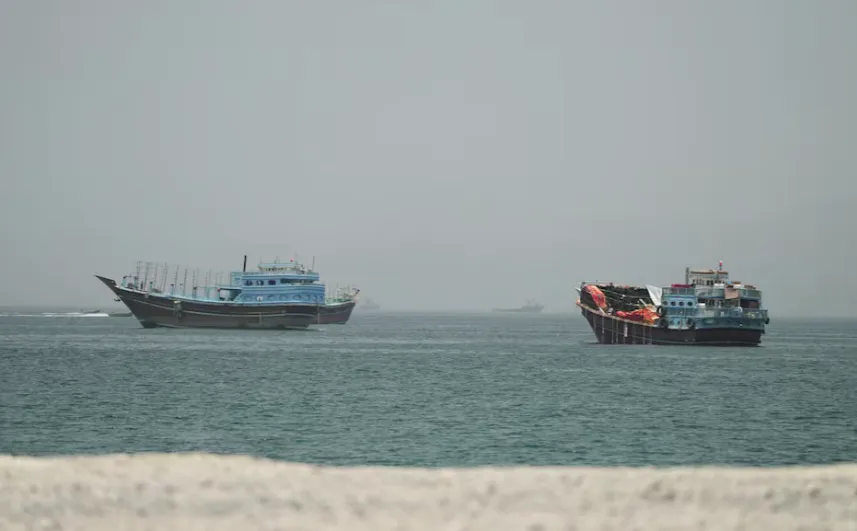
President Mori, at the special interaction session with the U.N. secretary general as well as at the Leaders’ Retreat, presented the issue on the oil leak in the Chuuk Lagoon from one of the World War II Shipwrecks (Hoyo Maru) and requested the assistance and cooperation of the international community in addressing this matter, which is of great concern to the people and the government of the FSM, given the danger that the oil leak poses on our fragile environment.
Oil leak issue as in the case of Chuuk was agreed and supported by the leaders’ as environmental threat issue and is reflected in the Forum Leaders’ Communiqué.
At the margins of the Forum meetings, the FSM delegation had bilateral meetings with the United States, Japan, China, Israel, the European Union, Luxembourg, Hungary, ADB, World Bank and others.
The main issues discussed include strengthening of bilateral relations, climate change, vital infrastructure, private sector development, trust fund, student scholarships, agriculture, socio-economic cooperation, development assistance coordination, environmental issues and other issues and areas of cooperation.
The FSM delegation also attended meetings on the U.S. multilateral treaty organized by the U.S. and another meeting organized by the New Zealand foreign minister between the development partners and Forum ministers on range of issues, covering the potential of the region, the factors that hold it back, and ways it can make progress.
The Forum leaders were also invited by New Zealand Prime Minister John Key to the opening ceremony and the first match of the 2011 World Rugby Cup between New Zealand and Tonga.
