






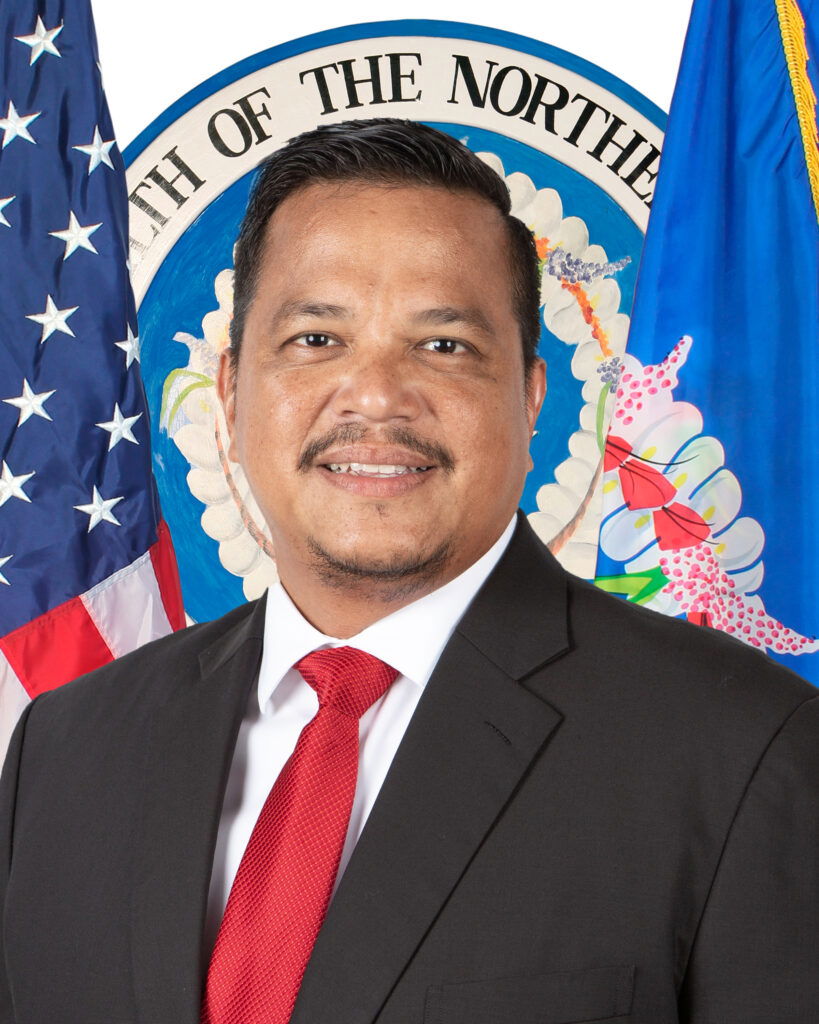
SENATE President Jude U. Hofschneider on Monday said under the CNMI Constitution, the Senate has the sole authority to draft its impeachment rules.
“It is unfortunate that the House speaker is troubled by the proposed Senate impeachment rules,” he added referring to Speaker Edmund S. Villagomez’ statement on Sunday evening.
“The Senate Joint Committee thoroughly reviewed and drafted a comprehensive set of impeachment rules that included clear procedures, timelines, and structure for all parties,” Hofschneider said.
“The Joint Committee’s decision not to accept oral comments at the committee meeting is consistent with the Extension Section 2 of Legislative Covid Protocol Directive 2021-01, which was approved and signed by the House speaker himself. [But members of the] public were given the opportunity to submit written comments to the Joint Committee.”
He noted that the CNMI Constitution, Article II, Section 8 provides that “[t]he House of Representatives may initiate impeachment proceedings by the affirmative vote of two-thirds of its members and the Senate may convict after hearing by the affirmative vote of two-thirds of its members.”
How the Senate conducts its hearing is governed by the impeachment rules drafted by the Senate, he said.
“The Senate has the sole authority to draft its impeachment rules under the CNMI Constitution,” he reiterated.
He said the Senate impeachment rules provide the process, structure, and guidelines for each part of the impeachment hearing similar to the civil rules of procedure in a civil trial or hearing.
These rules, he added, “control and regulate the impeachment hearing to prevent the House prosecutor or impeached official from running amok during the hearing.”
The rules also provide guidelines to prevent House impeachment record document, video or audio dumping, he added.
“All impeachment records should be transcribed before transmitted to the Senate for easy review. The Senate should not be required to sort through voluminous documents and videos without direction. The Senate impeachment rules limit the number of people who will physically appear at the hearing due to Covid-19 protocols, but there is no restriction for a team of persons to assist with the hearing preparations and documents,” Hofschneider noted.
He said these rules also set timelines and deadlines for the House prosecutor and the impeached official to timely submit their motions, replies, subpoenas, evidence, and other hearing documents.
The rules likewise establish a burden of proof to give the senators a clear standard to vote on whether the articles of impeachment as presented constitute an impeachable offense pursuant to the CNMI Constitution, Hofschneider said.
“The Senate has an ethical duty to review the impeachment evidence based on a clear standard not on the standard set for any other impeached official,” he added. “The House of Representatives had almost one year to conduct its impeachment proceedings and adopt the articles of impeachment. The Senate had only one month to review and adopt its Senate impeachment rules. I am confident in the Joint Committee’s effort and work in drafting the impeachment rules. The Senate impeachment rules are reasonable, clear, concise, and consistent with the CNMI Constitution.”
Hofschneider said as the presiding officer of the House of Representatives, the speaker should be the House prosecutor of the impeachment hearing.
“He established the House Impeachment Committee and voted on the articles of impeachment. He should be more than capable of prosecuting the House’s impeachment case. If the House speaker declines, it is reasonable for the chairperson of the Committee on Impeachment to be the House prosecutor since he already presided during the House committee process and can do so again in the Senate impeachment hearing. Both the House prosecutor and the impeached official will be given the opportunity to participate in a fair hearing at the Senate. That is the end goal of the Senate impeachment rules,” Hofschneider said.
“The House speaker and members should be respectful of the separation of the houses of the Legislature and refrain from public and social medial attacks against the Senate or its members as we proceed with our constitutional mandate in this impeachment case. The Senate has never encroached on the House of Representatives’ constitutional authority to draft its own rules or interfered with any of the House’s sessions, committee meetings, or public hearings. The Senate has never presumed to tell the House of Representatives how to conduct its constitutional obligations or business. Respectfully, the House of Representatives should do the same.”
On Jan. 12, 2022, by a vote of 15 to 4 with 1 abstention, the Democrat-Independent-led House impeached the Republican governor for commission of felonies, corruption, and neglect of duty. He has denied the allegations.
He will be removed from office if six members of the Republican-led Senate vote for his conviction.
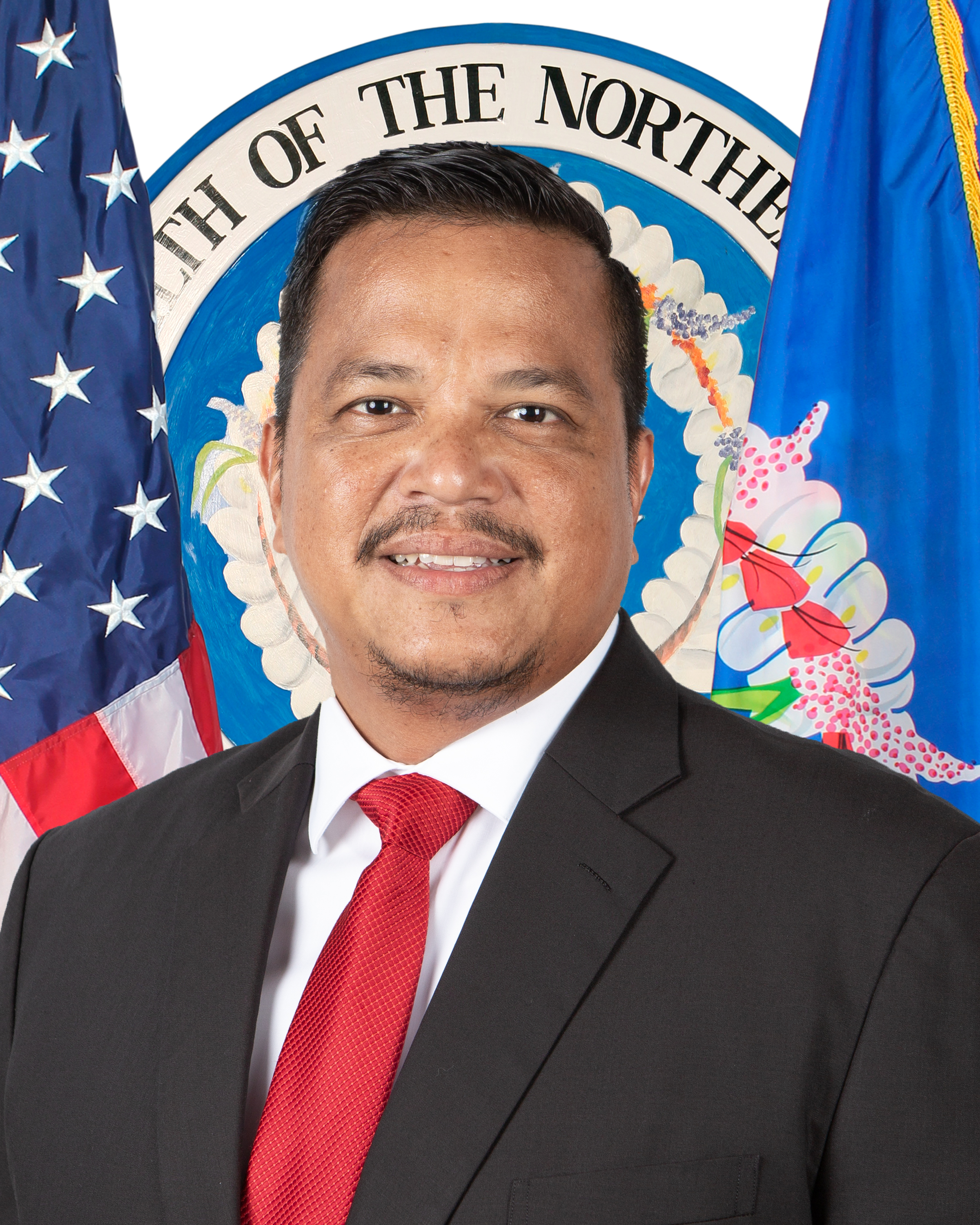
Jude U. Hofschneider
