






SOME 8,300 tons of polychlorinated biphenyl-contaminated soil have been cleaned up by the U.S. Army Corps of Engineers and its contractor, Environmental Chemical Corp.
About 11,300 tons of PCB-laced soil placed in separate holding cells will be treated in the next two to three months.
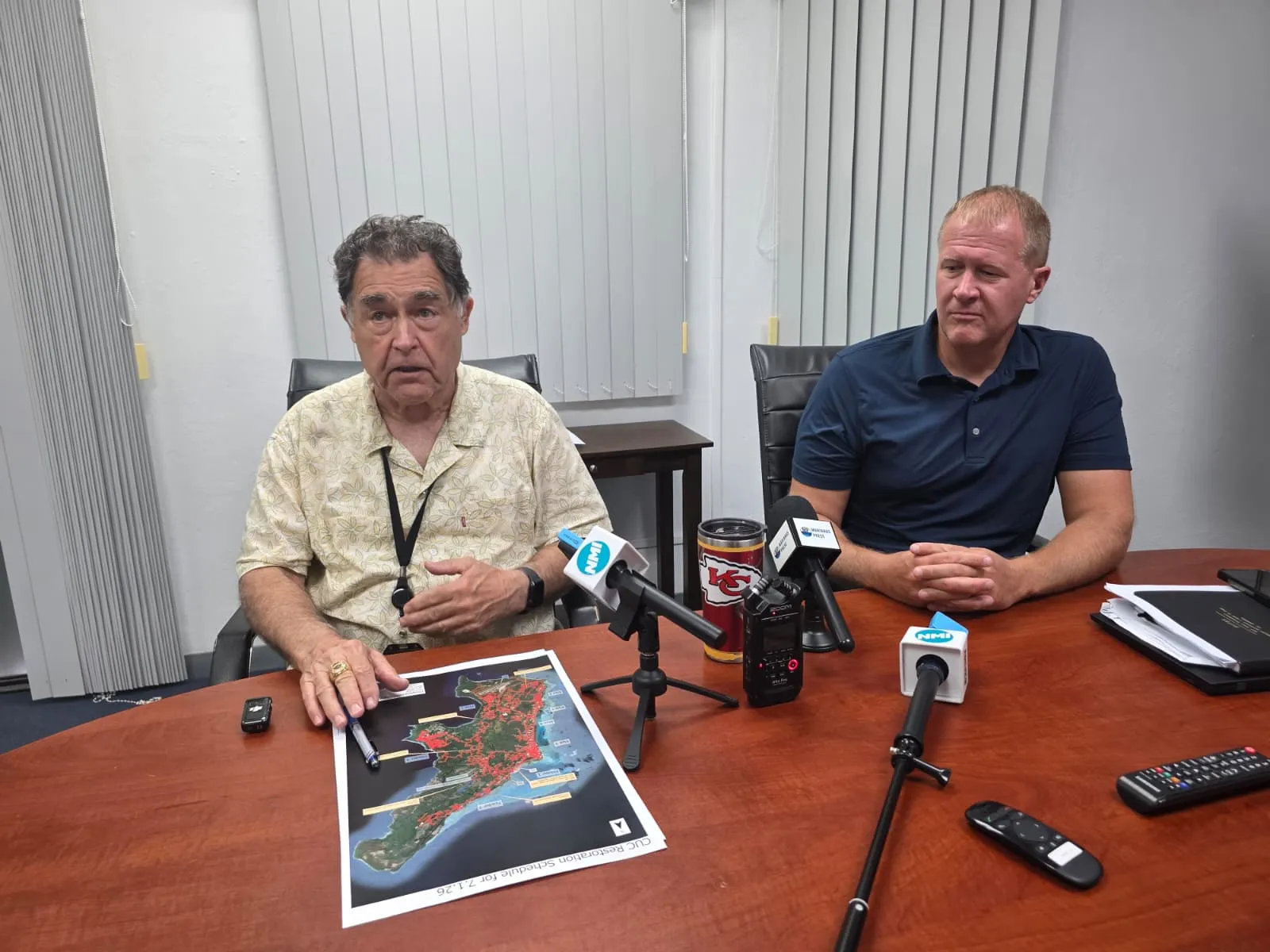
Frank Ono, on-island representative of the Army Corps, yesterday said the treated soil had been tested and had passed the U.S. Environmental Protection Agency’s cleanup level of below 1 part per million of PCB.
“We continue to run the machine, and have regular maintenance. About 8,300 tons of soil were treated,” Ono told Variety.
The contaminated soil from cells #12, #2 and #10 has been removed and can no longer be seen from the road.
Treatment of the soil at cell #3 has also begun, said Ono.
In related news, the Marianas Public Lands Authority has not issued a permit that will allow ECC and Army Corps to dig another site in Tanapag where contamination had been found. The sampling had been completed at the site.
Ono said they submitted the request in early March, but MPLA had not approved it.
“That’s the only thing we’re waiting for us to start cleaning up the area,” said Ono.
The estimated 8,300 tons of treated soil are now stockpiled in an area north of the Tanapag cemetery.
They are considered safe, but due to the intense heat that the soil underwent upon treatment using the indirect thermal desorption method, it is no longer suited for any type of vegetation.
In a separate report to Division of Environmental Quality Director John I. Castro and the members of the Legislature, the Army Corps said EPA continues to work on a complete risk assessment based on all data collected during the proof of performance test.
The target date for the treatment completion had been delayed for about two months due to a Feb. 16 accident at the PCB treatment site that claimed the life of a worker.
Thermal operations at the treatment site resumed on April 20 after a notice to proceed from the Army Corps to ECC. Accompanying the notice was a conditional approval issued by EPA.
Dust emissions at the site improved dramatically after putting up a soil discharge structure which now encloses the radial stacker and the discharge point of treated soil, the Army Corps said.
Soil discharged within the structure is unloaded into bins located on the containment pad.
Treated soil remains on the pad until data is received from the laboratory indicating PCB concentrations of less than 1 ppm, the Army Corps said.
PCBs are suspected cancer-causing chemicals used by the U.S. military.
