



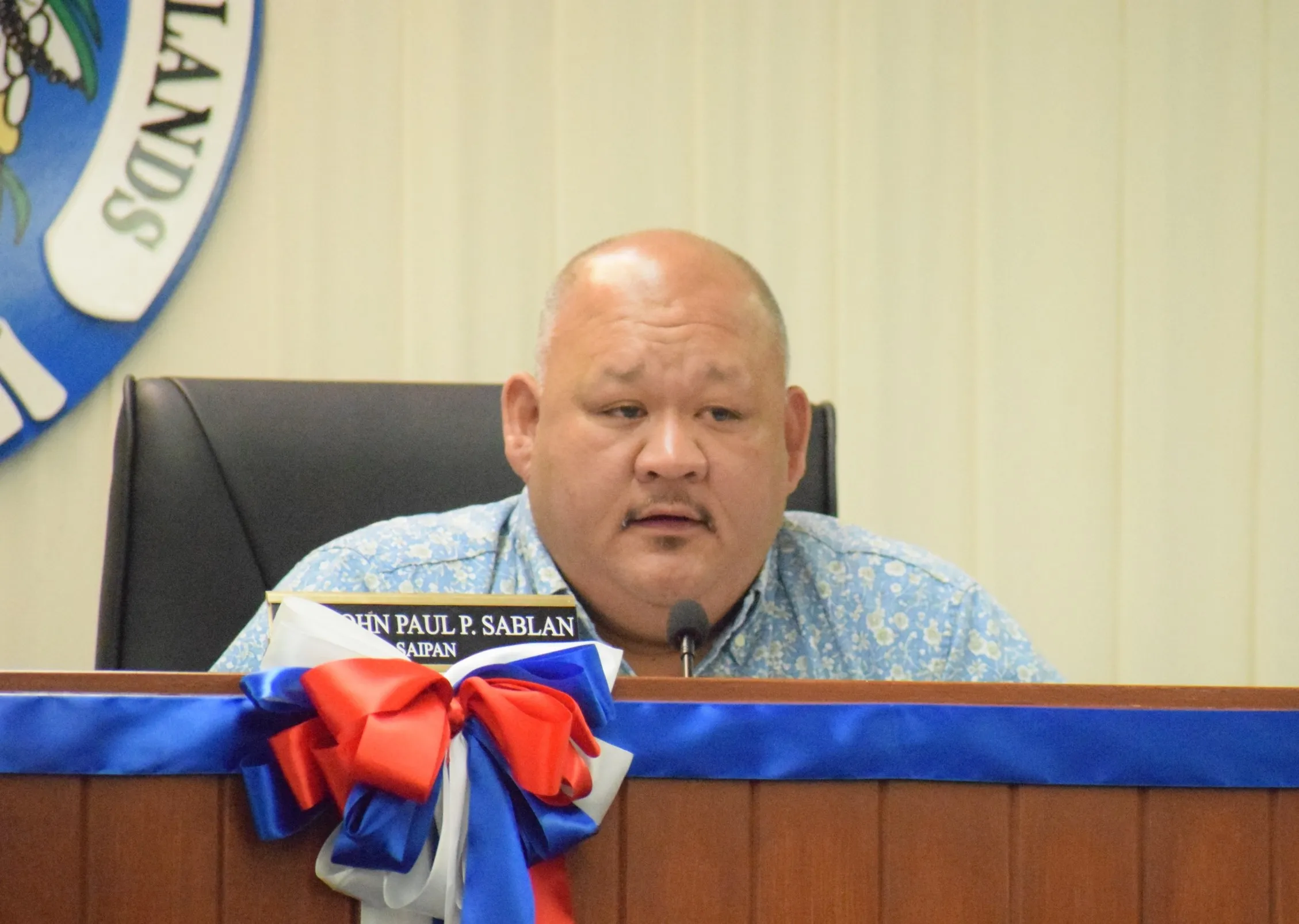


“Based on FEMA [regulation], only residents are qualified for government reimbursement,” Villagomez said, adding this is the reason why they are collecting fees from nonresidents at the designated quarantine sites.
“The fees are calculated based on the fair market value, the same way [hotel customers] are charged per room rate,” Villagomez added.
He said the estimated cost could be over $200 per night.
Villagomez said there are only a few nonresidents arriving on Saipan.
CHCC Chief Executive Officer Esther Muna earlier said these include FEMA contractors, merchant mariners and construction workers.
She said those considered “essential workers” will still have to go through the procedures when they arrive on Saipan, and CHCC will still test them upon arrival.
“If you have a [polymerase chain reaction or] PCR test, you will be brought to a holding place at Kanoa Resort until the result of an expedited test is received with a negative result. You will then be released from the holding area. But if you don’t have a PCR then you would have to stay at least one night [at Kanoa] until the result of the test comes back. It helps with the contact tracing in case we’ve identified a positive case,” Muna said.
She said people who have been classified as essential workers must also comply with the quarantine rules. “This means they are here to do their work, but they have to limit their contact with individuals. They do their work and come back to their lodgings…they do not go out because they are still in quarantine.”
Villagomez said under Public Law 13-63 the task force has the authority to arrest those who do not follow the quarantine protocols.
He said the protocols and the safety measures that they are implementing have been effective as most of the recent positive cases were from inbound flights while the last community transmission was recorded on June 3, 2020.
