




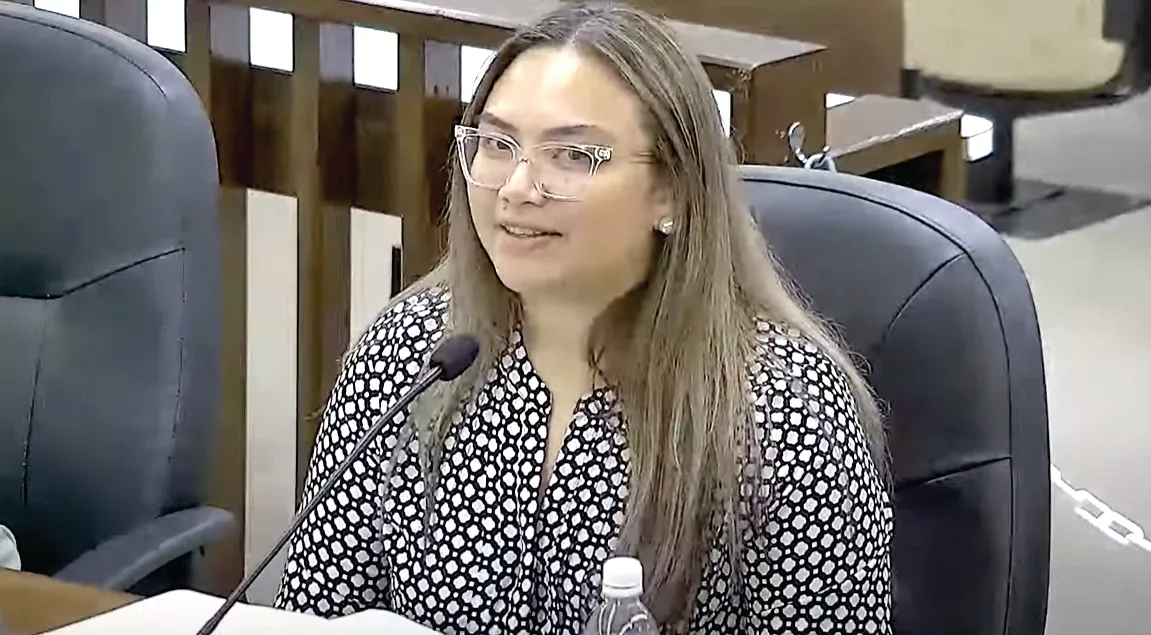



“People need to maintain their guard and beware of bandits,” warned Maureen Henzler, Weights and measures program service administrator for the Kansas Department of Agriculture. “Those selling their gold jewelry to cash in on high prices may be getting a lot less than they bargained for.”
Regulatory officials across the country echo the warning.
Henzler said purity of gold affects the price paid for an item and some dealers use testing acids to verify karat weight of gold. Acids are typically found in varieties specific to karat values of 10K, 14K, 18K and 24K. When a specific acid such as 10K acid is applied to gold, the gold will turn brown unless it is the respective karat weight; in this case 10K gold. An unscrupulous gold buyer will intentionally apply a higher grade of acid to a lower grade of gold, such as 18K acid on 14K gold, causing the gold to turn brown and discolor and, subsequently, offer a lower payment. “Watch and ask the gold buyer what is being done with your jewelry items,” said Henzler. “You have a right to know how the gold buyer is determining the purchase price for your items.”
Kurt Floren, chairman of the National Conference on Weights and Measures, provided the following tips to consumers dealing with gold buyers:
• Get written estimates from two or more dealers that identify the items and their worth in detail.
• Closely observe all scale use. It should be level and indicate “zero” before weighing begins. Look for fans or air vents that might affect the weighing process.
• Observe the weight displayed and compare it to any value calculation and receipt.
• Sell only to reputable dealers and get a receipt with their contact information.
• Ask questions. Leave with your gold if the buyer is hesitant to fully explain what is being done.
If you believe you have been cheated or that there was an attempt to cheat, contact your weights and measures authority immediately.
