





People in Fiji, Chuuk and Marshall Islands say that in addition to grappling with health problems associated with HIV and AIDS, infected islanders have to contend with ostracism in their own communities.
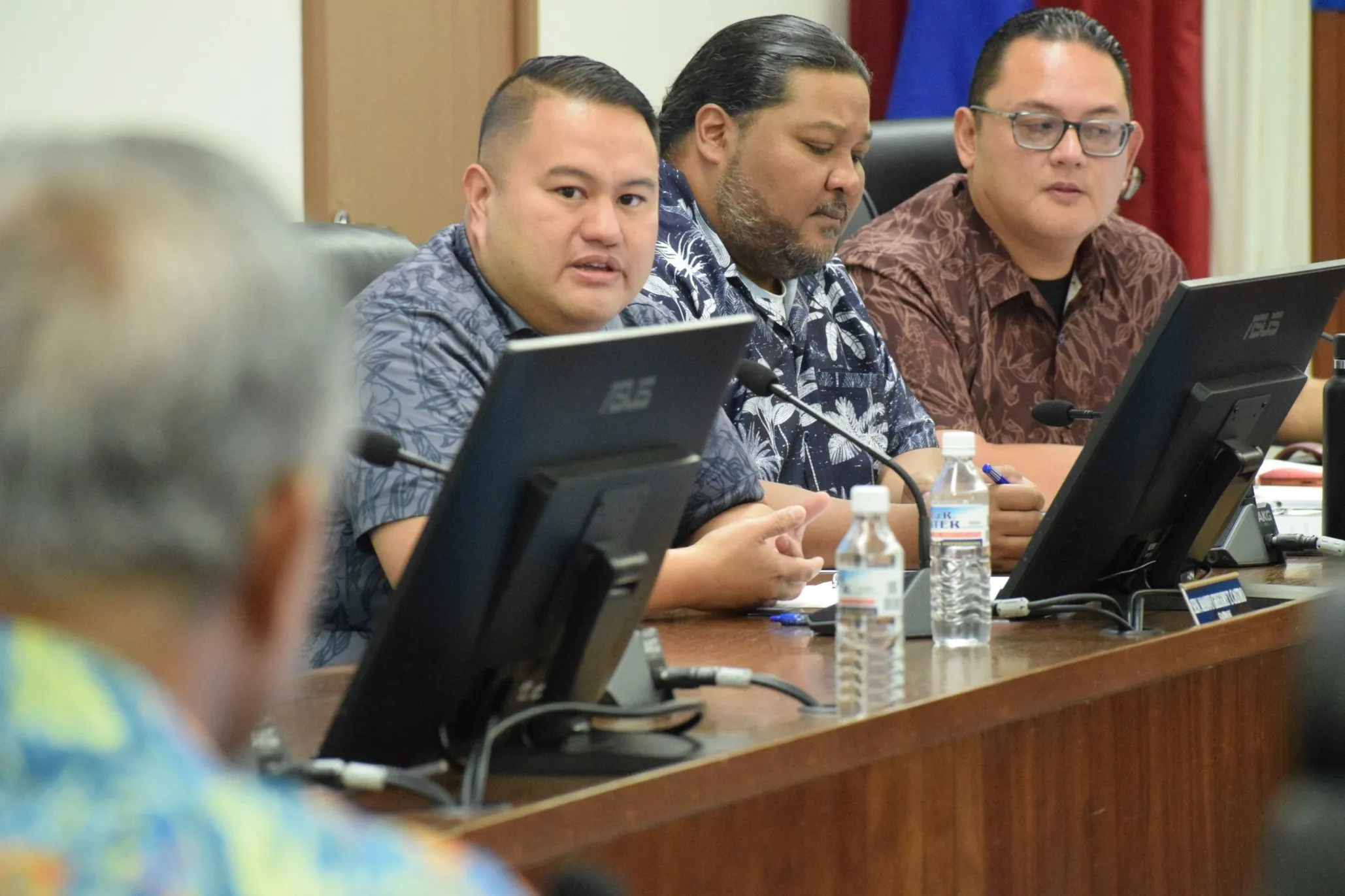
Four islanders who are HIV positive or have a family member with HIV spoke to more than 100 people attending the Pacific Island Jurisdictions AIDS Action Group summit that has brought people together from nine United States-affiliated islands in the region.
The discrimination forced the family of Cathy Samuel, an islander from Chuuk in the Federated States of Micronesia, to move from one island to another to get away from what she described as the “embarrassment” of having a family member who died from AIDS.
Darkness
The testimony about discrimination and lack of HIV awareness in the Pacific suggests that while hundreds of millions of dollars have been invested globally in HIV education and prevention, remote islanders “are still in darkness about HIV,” Samuel said.
In the strongly Christian religious society in Chuuk, many islanders “think everyone with HIV is a sinner and that God will not forgive them,” which causes the community to shun people with the virus, Samuel said.
Temo Sasau, from Fiji, said when he told his supervisors he was HIV positive, his pay was withheld despite his having worked at the business for 11 years. He later quit and went to work for the Pacific Islands AIDS Foundation as its Pacific Positive Community Program Coordinator, he said.
“Thank you for your courage to help the people in this room in the fight against HIV/AIDS,” said Dr. Zachraias Zachraias, who directs the Marshall Islands Ministry of Health¹s HIV program. “As a health care provider for patients in the Marshall Islands, I can say the same thing (discrimination) is happening to my patients. There is a stigma associated with HIV here.”
This is why no Marshall Islander who has tested positive for HIV — nine to date — has come out publicly to talk about their situation, Zachraias said.
Ignored
A young woman from Chuuk who lives on Guam said it was her first time to talk publicly about her husband giving her HIV. Her husband died in 2007, and after that “even my own family ignored me when they found out I¹m HIV positive,” she said, adding that she continues to live on Guam to find a better life for her three children and where discrimination is not so pronounced as in Chuuk.
Samuel said that when she discovered her cousin was sick, she arranged for him to go to the hospital. After he was released, he stayed at her home, but she still did not know he had AIDS. One day when she returned home from work, she discovered the cousin had been transported by his parents back to his home island, a 70-mile boat ride from the main island in Chuuk, she said. Within a few days, he was dead and the family buried him immediately, an action at odds with island custom for the close-knit extended family to gather for the funeral, Samuel said.
“I got so mad,” she said. “In our culture, it¹s not right (for a quick burial). They could have waited for me.” She was told the reason for the fast burial was her cousin had AIDS. At the time, she was like many islanders, “I knew nothing about the illness.”
“Then I learned that people on the island started banning family members from any community activities,” she said. This discrimination embarrassed her family on an island with a tiny population of just 300 people, she said.
“Even after a few years, they still felt embarrassed by what people think, so they decided to move to another island,” she said.
Don’t isolate
From her experience with HIV, Samuel said when someone is HIV positive, “this is not the time to isolate anyone infected with the disease.”
Sasau said that after his infection, he fell seriously ill, dropping dozens of pounds “until I was just bones.” But he is now on anti-retroviral drugs that control the HIV. He urged AIDS Summit participants to get HIV tested. “If you know you are HIV positive, there are treatments available,” he said.
“The only time I remember I have HIV now is when I take my medicine,” he said.
The three-day Pacific Island Jurisdictions AIDS Action Group meeting has brought people together to address a variety of prevention strategies for the islands, including standardizing reporting across the U.S.-affiliated island groups, reviewing “HIV rapid testing programs,” and best practices for integrating and collaboration among HIV, sexually transmitted disease, hepatitis and TB programs.
