





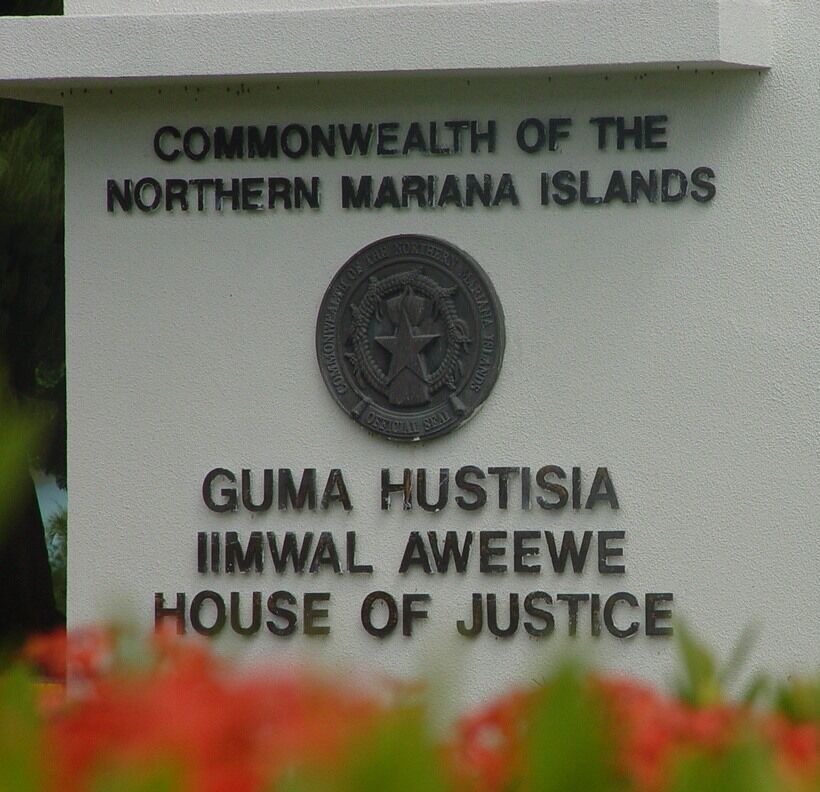
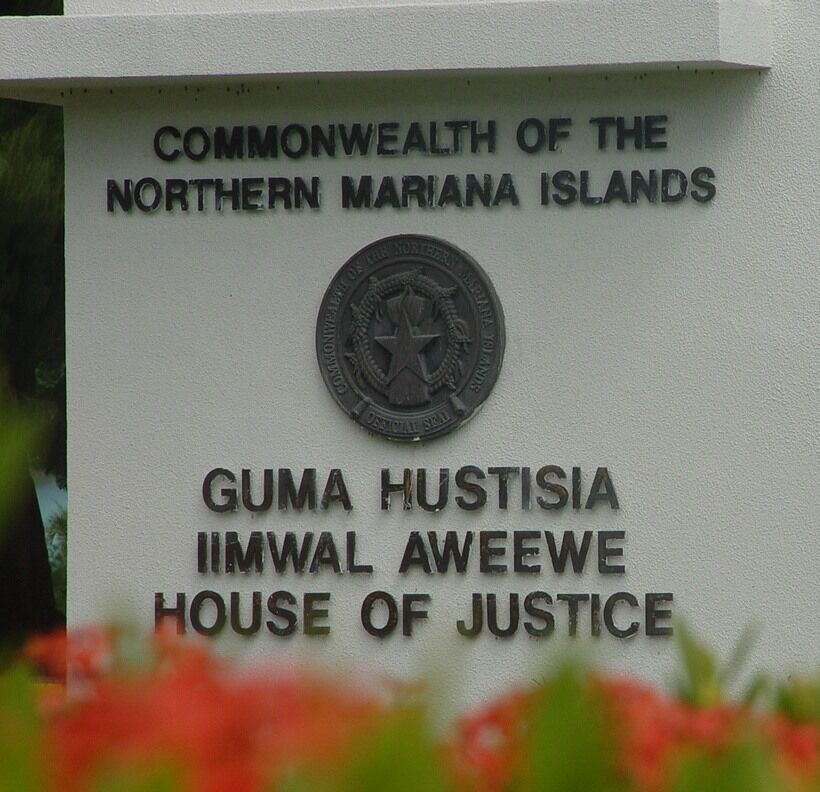
THE CNMI Judiciary, through its general counsel Hyun Jae Lee, has requested the Superior Court to quash the subpoena duces tecum of the prosecution against the Judiciary’s human resources office for the personnel records of William Abraczinskas.
Abraczinskas, a former law clerk of Judge Kennth L. Govendo, has been accused of rape by another court employee. He has denied the allegation.
Judge Pro Tempore Elyze M. Iriarte has scheduled the jury trial to begin on Monday, Sept. 9 at 9:30 a.m.
The Judiciary’s general counsel, in a 14-page motion filed on Aug. 16, also asked the court for a protective order or, as an alternative, to modify the subpoena.
“The subpoena must be quashed as it seeks confidential and privileged materials,” Lee said.
On Aug. 7, Assistant Attorney General Frances Demapan issued a subpoena duces tecum, seeking documents from the Judiciary’s HR officer, Michelle Guerrero. These include a “copy of any written or recorded reports, documents, email correspondence, findings, or statements involving the [Equal Employment Opportunity or] EEO complaint filed by former Judiciary employee William Abraczinskas against the current Judiciary employee” who has accused him of rape.
Demapan asked Guerrero to submit the documents to the court by Aug. 23, 2024.
Demapan also issued a subpoena to Joseph M. Pangelinan, Office of Personnel Management director, seeking a “copy of any written or recorded reports, documents, email correspondence, findings, or statements involving the EEOC complaint filed by former NMI Judiciary employee William Abraczinskas” against the NMI Judiciary employee who accused him of rape.
According to Lee, “The Judiciary has standing to challenge the Subpoena because the documents, objects, and information sought in the Subpoena are government property, some of which may be privileged or protected from discovery, including confidential records pertaining to personnel grievance, information protected by attorney-client privilege and attorney work product and information related to court administration.”
She said the government’s “subpoena requests for a broad description of materials without specificity,” and “fails to limit the scope of documents to a reasonable timeframe, making the request intrusive and cumbersome.”
Lee said “even if some parts of the material sought through the subpoena is relevant, the Commonwealth has made no effort to tailor its request to their investigation.”
“The Judiciary EEO records are irrelevant to the pending criminal case,” she added. “Criminal Case 23-0082 involves an allegation of sexual assault which purportedly happened outside the workplace, outside work hours — action not taken within the scope of the defendant’s employment. The Judiciary EEO records, reports, findings, and documents pertain to whether the Judiciary’s Equal Employment Opportunity Policy had been violated within the workplace and/or during work time. Such records are irrelevant to the pending criminal case and have no bearing on the Commonwealth’s case,” Lee reiterated.
“Disclosure of such internal deliberations could hinder the candid discussions essential for the effective functioning of a government.”
Moreover, Lee said, “disclosure may violate the privacy rights of individuals who cooperated with the investigation because communication or statements were made under the presumption that the internal interviews were made for purposes of investigating EEO matters within the workplace and will be made confidential. The Commonwealth’s interest in the Judiciary’s records, especially its findings and reports, is low because the information in the report has no direct relevance to the Commonwealth’s case and may also be sought by interviewing prospective witnesses. Additionally, it would be unreasonable for the Commonwealth to contend that it has a legitimate interest in such a broad array of materials without clearly demonstrating how these materials are specifically relevant to their case.”
Lee said the items sought in the subpoena are protected by attorney-client privilege and attorney work product.
“Here, based on the facts surrounding Defendant’s EEO complaint, the written and recorded reports, findings, and associated documents can be said to be prepared because of the real prospect of litigation. Upon receiving the underlying alleged facts of Defendant’s EEO complaint, the Judiciary’s Human Resource Officer consulted with the Judiciary’s Office of the General Counsel to discuss the allegations and determine how to proceed under the Judiciary’s EEO Policy. The allegations detailed in Defendant’s EEO complaint formed a real prospect of litigation and basis for a federal EEO complaint or employee-based litigation,” Lee said.
“The written and recorded reports, findings, and associated documents are all products of this investigation, prepared in consultation with the Judiciary’s legal counsel. As such, they constitute attorney work product and should be protected. If these documents were to become available to third parties, it could undermine the ability of legal counsel to provide sound legal advice and might deter entities from voluntarily conducting their own investigations.”
According to the complaint against Abraczinskas, on May 26, 2023, a judicial employee alleged that her co-worker, Abraczinskas, sexually assaulted her on April 8, 2023, at Beach Garden Apartments.
She also told police that she had learned that Abraczinskas filed a sexual harassment complaint against her with the Judiciary’s human resources office.
After meeting with HR and opening up with her supervisor about the alleged sexual assault, she said she found the courage to come to the Department of Public Safety and tell her side of the incident.
According to Variety news files, Abraczinskas was detained and then released on a $100,000 unsecured bond, but placed under house arrest.
Abraczinskas is represented by Chief Public Defender Douglas Hartig.
