






By Bryan Manabat
[email protected]
Variety News Staff
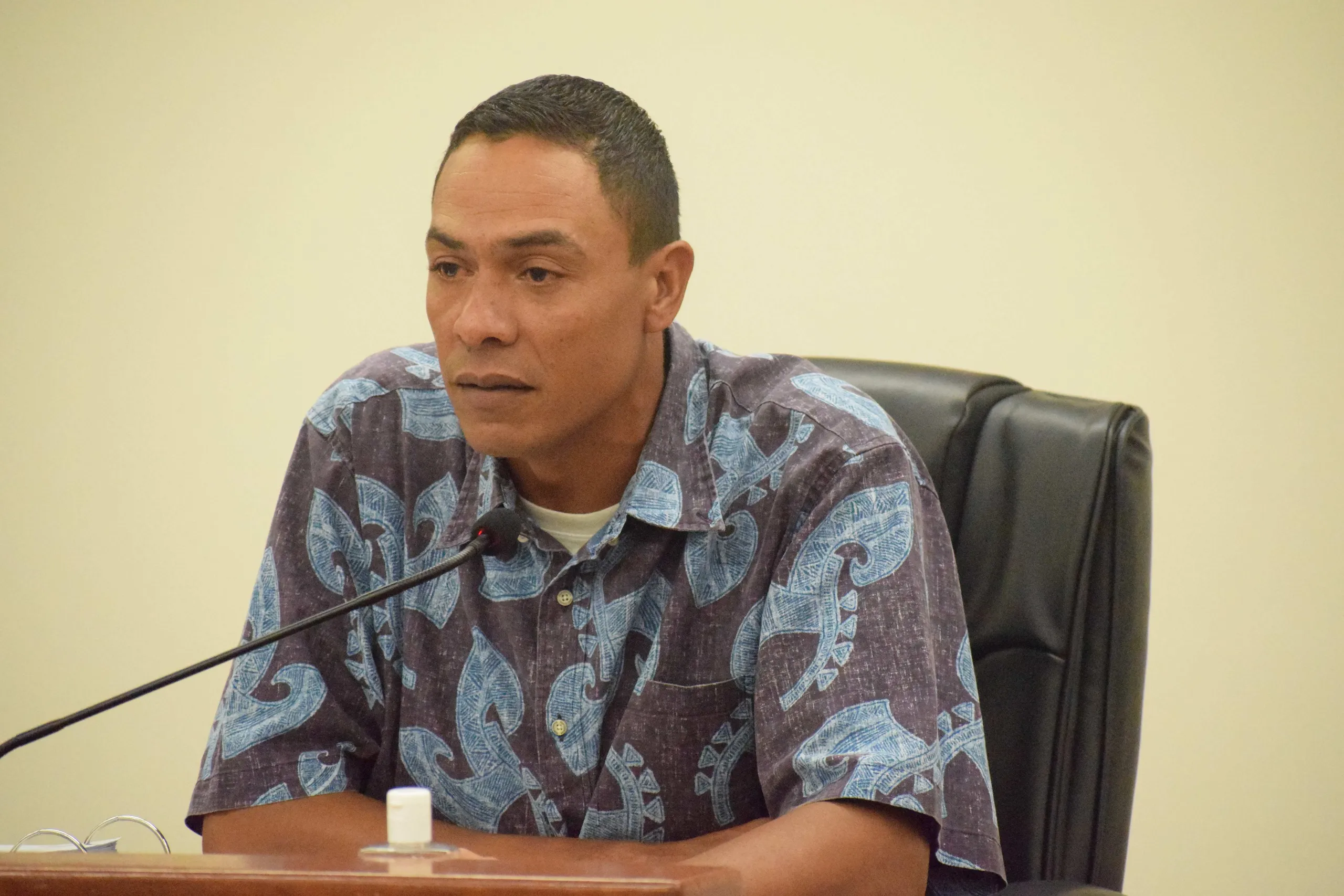
TINIAN residents are temporarily paying no electricity charges beyond a basic customer fee because the U.S. military and the Federal Emergency Management Agency are covering both generation and fuel costs, Commonwealth Utilities Corporation Executive Director Kevin Watson said in a June 5 public update.
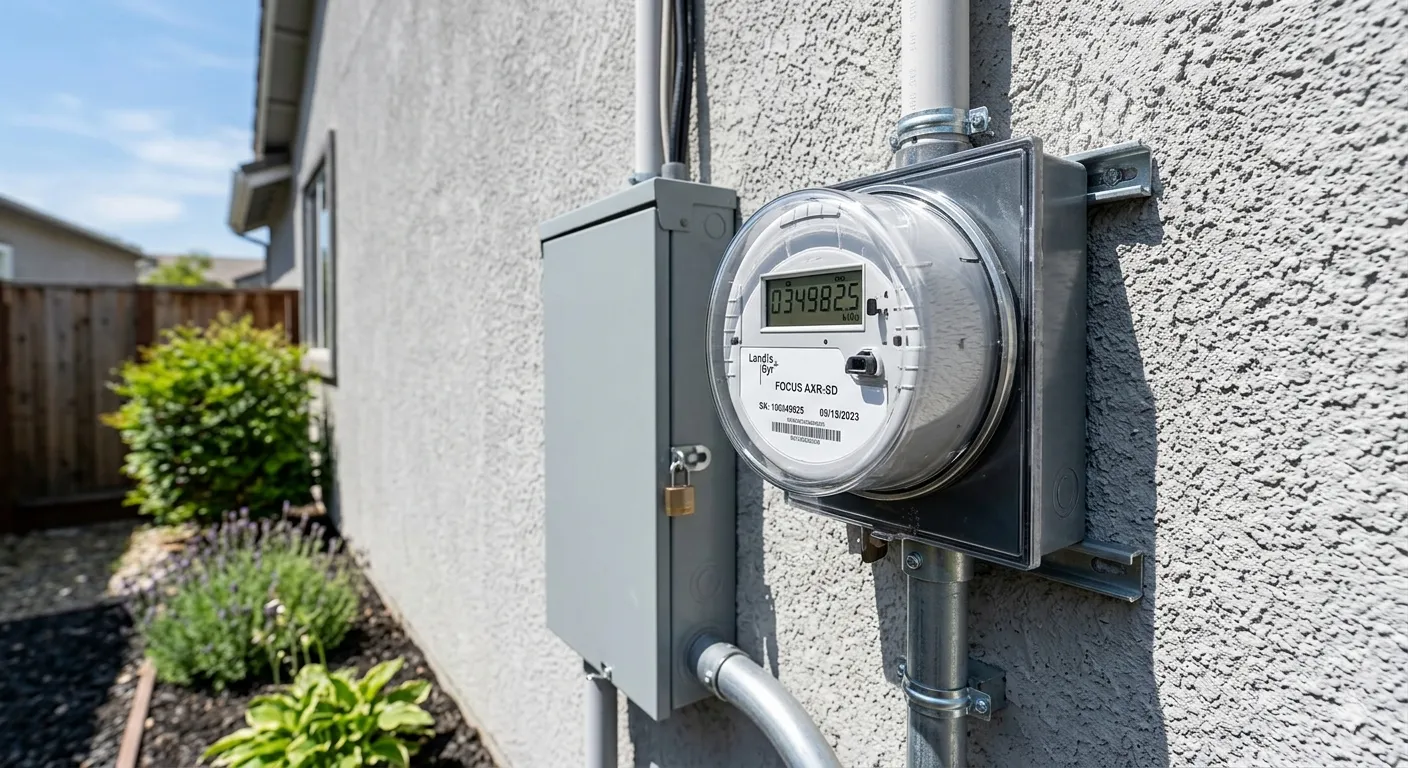
Under FEMA rules, CUC cannot bill Tinian customers for power consumption or fuel adjustments while Navy and U.S. Army Corps of Engineers generators are supplying electricity and fuel to the island. Watson said this means residents are effectively receiving free electricity usage during this period.
Watson confirmed that customers will only see the standard service fee on their bills. “They’re billed a customer service charge… the basic $7,” he said, adding that no kilowatt-hour or fuel charges can be applied while FEMA-supported generation remains in place.
He said the arrangement is expected to continue until around July 10, after which CUC would again be responsible for normal billing under FEMA’s cost-share framework, typically a 75/25 split. Once that transition occurs, consumption-based charges would resume.
While the temporary setup provides relief to households on Tinian, Watson emphasized that it does not ease CUC’s financial strain. He noted that although the military is currently operating generators and paying for fuel — a major cost CUC would otherwise shoulder — FEMA policy prevents the utility from collecting revenue tied to that federally supported generation.
“This is a benefit for the residents,” Watson said. “It doesn’t help CUC financially. We still maintain the lines, the system, everything else, but we can’t bill for the power being produced by FEMA and the military.”
In the same June 5 update, Watson announced that CUC and Guam Power Authority crews will begin publishing regular projections showing where they will be working in the villages, starting Tuesday. The schedule will include public updates every Tuesday and Friday, with maps identifying which neighborhoods are expected to see line crews, bucket trucks, and reconnection work on a given day.
“The purpose of that is so that the customer will know, if they’re in that area, that they have hope,” he said. He stressed that the projections do not guarantee same-day restoration but will provide clearer expectations about where crews are assigned.
The projection maps will cover both GPA line crews and CUC linemen, identifying areas targeted for repairs and reconnections. Watson said the move responds directly to public requests for more detailed, neighborhood-level information on restoration progress. Customer service staff, he added, have also been asking for these tools so they can provide more concrete answers when residents call about when power might return.
Watson framed the new village-by-village projections as part of CUC’s broader effort to improve transparency during a long and complex recovery. He said materials shortages, damaged transformers, and customer-side issues continue to slow some reconnections, but the twice-weekly updates are intended to give residents a clearer sense of what to expect — even as Tinian customers temporarily benefit from FEMA-supported, no-usage-bill electricity service.
Bryan Manabat was a liberal arts student of Northern Marianas College where he also studied criminal justice. He is the recipient of the NMI Humanities Award as an Outstanding Teacher (Non-Classroom) in 2013, and has worked for the CNMI Motheread/Fatheread Literacy Program as lead facilitator.
